Trek Difficulty Levels Explained: Easy, Moderate, and Difficult Treks in India

Trek Difficulty Levels Explained: Easy, Moderate, and Difficult Treks in India :

Planning a trek is always exciting. But one question that always appears in our mind is “how difficult is this trek?”. When you look it up on the internet, it shows easy, moderate, or difficult. But what are these terms in trekking? These labels on the trek difficulty can be very confusing, especially, when you are new to trekking. 

These labelling in the treks are not just random tags. The labels help you to choose a perfect trek depending on your experience, comfort, and your physical and mental fitness. Choosing the correct level trek means an enjoyable journey.


How do we decide Trek Difficulty?

The difficulty level of any trek is decided by looking into different factors together. 


Altitude

Altitude is one of the biggest factors that decides the trek difficulty. High-altitude means low-oxygen level. When you start ascending, the oxygen level decreases. Less oxygen can make you feel tired or dizzy. 


Distance & Duration

Walking 5 km on plain areas and walking 5 km on the mountains is very different. Sometimes, ascending even 3-4 km on the Himalayan can be very tiring. Long trekking hours for multiple days can be very exhausting. 


Terrain

The terrain of the trek can also impact the difficulty level. Walking in forest areas and meadows is easy. Whereas, trails like snow fields, glaciers, rocky ascents, river crossing, etc can be very challenging.


Weather Condition

Weather conditions can be a big concern on an Himalayan trek. Correct weather means better trails and good views. Meanwhile, unfavorable weather conditions like sudden rain, snowstorm, etc means slippery trails and poor visibility.


Your load

Every kilogram of your backpack means extra effort while trekking. Trekking with a heavy backpack on Himalayan trails can be extremely difficult. 

Look for all the factors that concern the trek difficulty and then find the best trek for yourself.
 

Trek Difficulty - Easy (Beginner-Friendly Treks)

Easy Himalayan treks are usually beginner-friendly. You should always start with a beginner-friendly trek.

What to expect on an “Easy” Trek:

4-5 walking hours each day

Comfortable campsites

Pleasant weather

Altitude below 11,000 ft

Well-marked trails

Few easy Himalayan treks are:

Kedarkantha Trek

Sham Valley Trek

Dayara Bugyal Trek

Aancha Top Trek

Easy treks are good for building confidence in trekking. These treks make you enjoy the beautiful views.


Trek Difficulty- Moderate 

Moderate level treks are those treks that are a little adventurous. These are slightly challenging but can be done with good preparation and physical fitness even as a trek beginner.

What to expect on a “Moderate” Trek:

5-7 walking hours each day

Longer distances

Steep climbs

Altitude up to 14,000 ft

Few moderate Himalayan treks are:

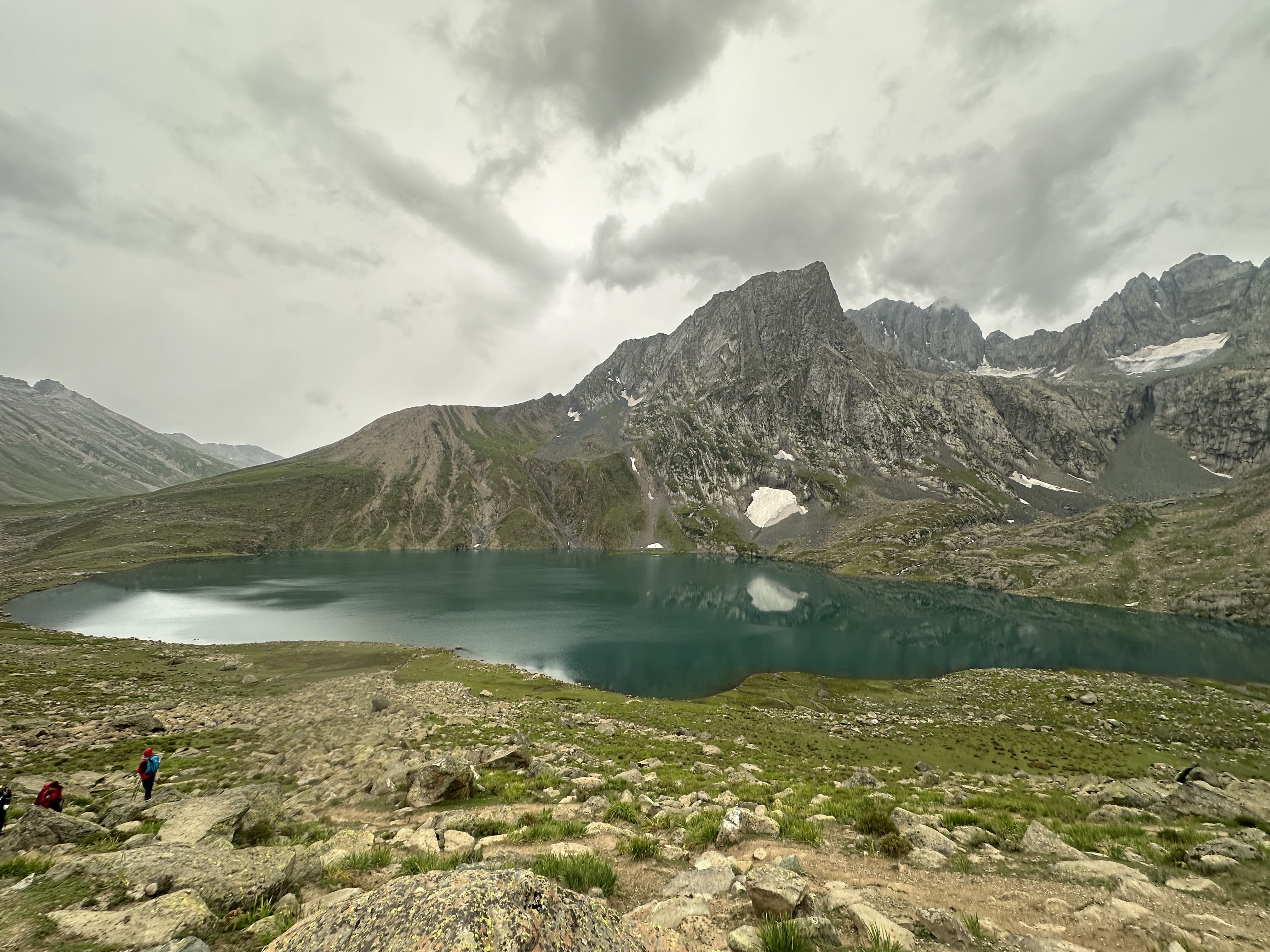
Kashmir Great Lakes Trek

Har Ki Dun Trek

Phulara Ridge Trek

Ali Bedni Trek

These treks offer some stunning landscapes of the Himalayas. But these treks require good stamina and preparation.


Trek Difficulty- Difficult

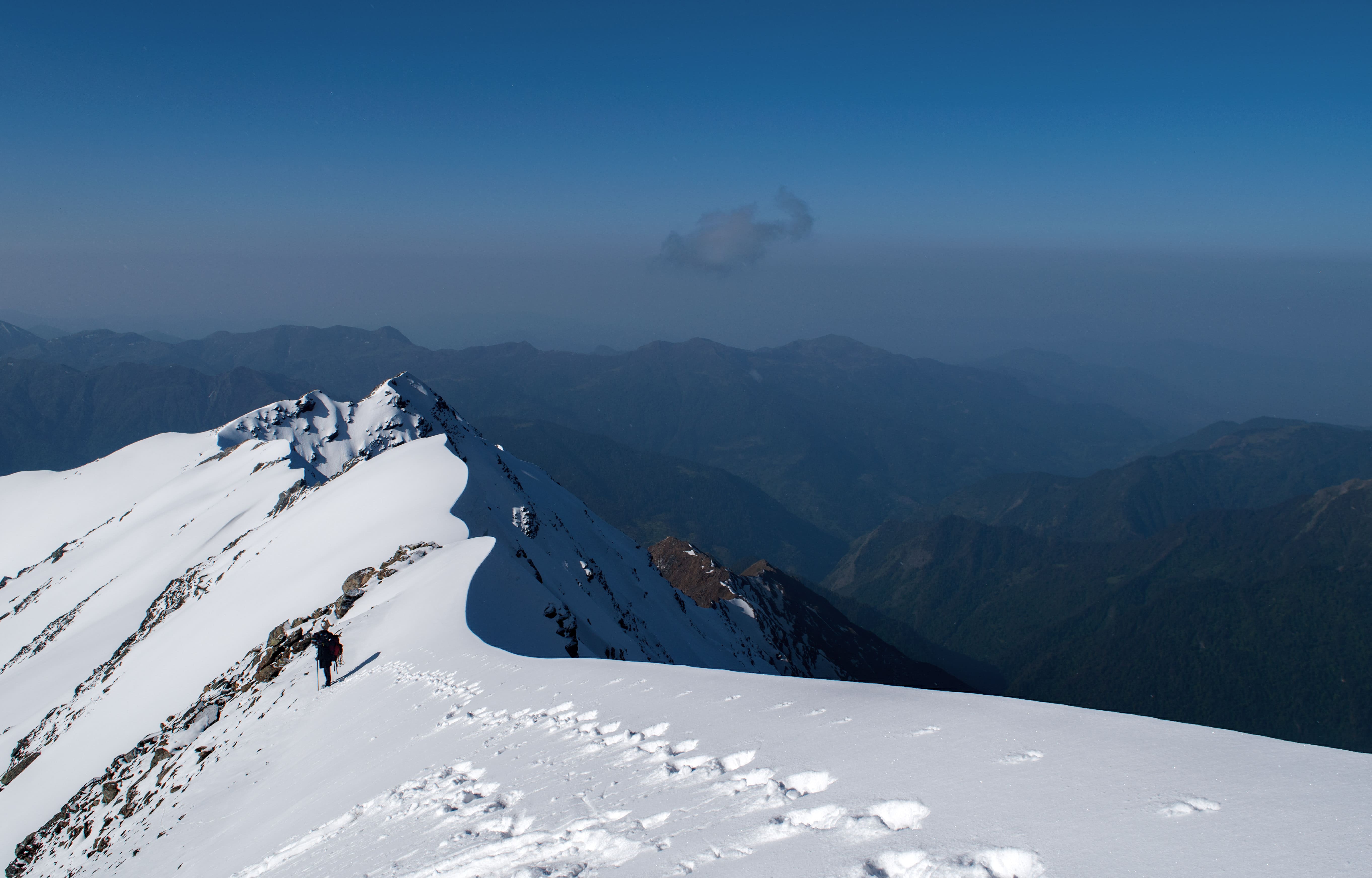
Difficult treks are those treks that require good trekking experience and are highly physically and mentally demanding. These treks can push your limits. But, the thrill and views are surely unforgettable.

What to expect on a “Difficult” Trek:

7-10 walking hours on some days

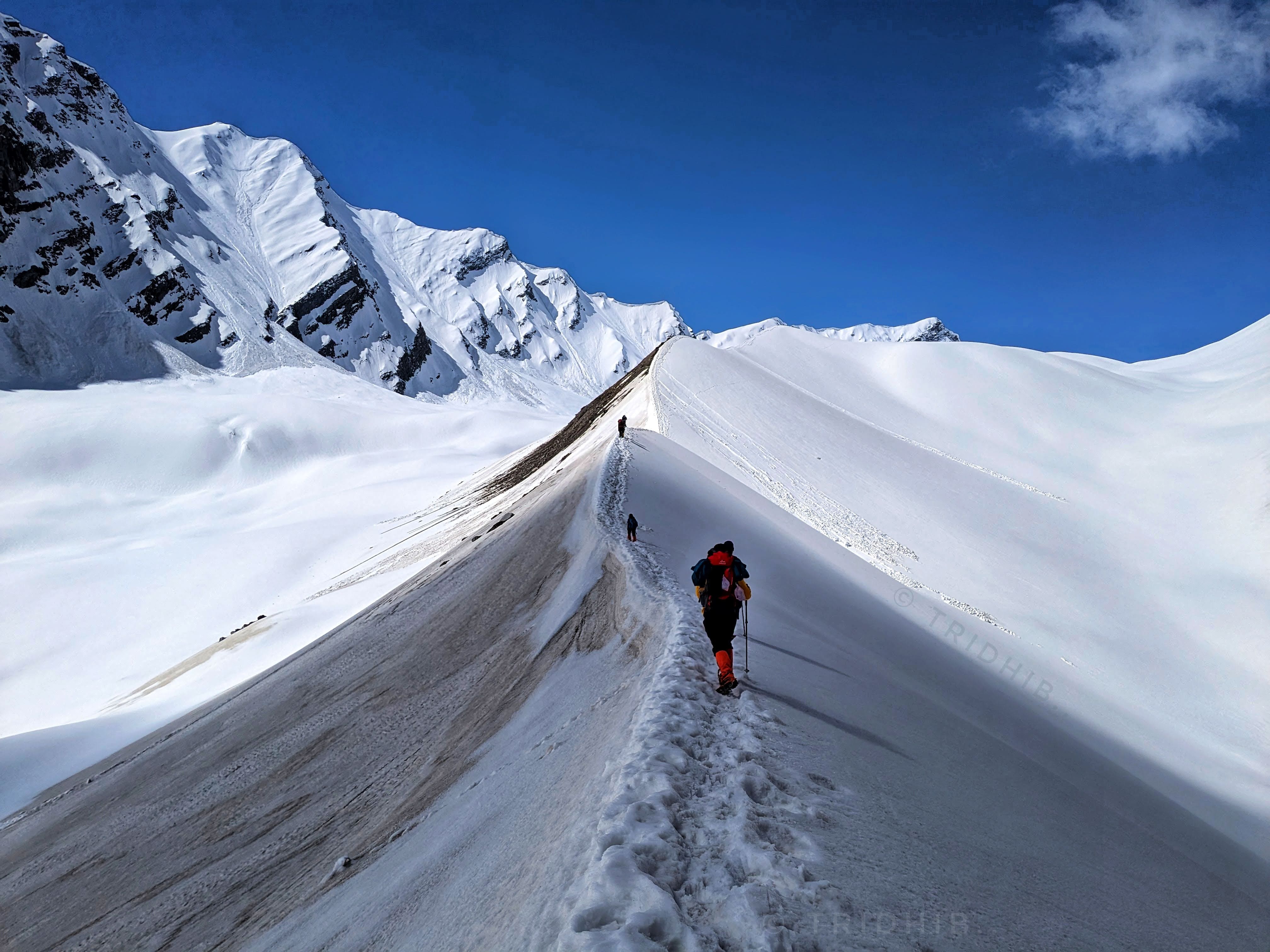
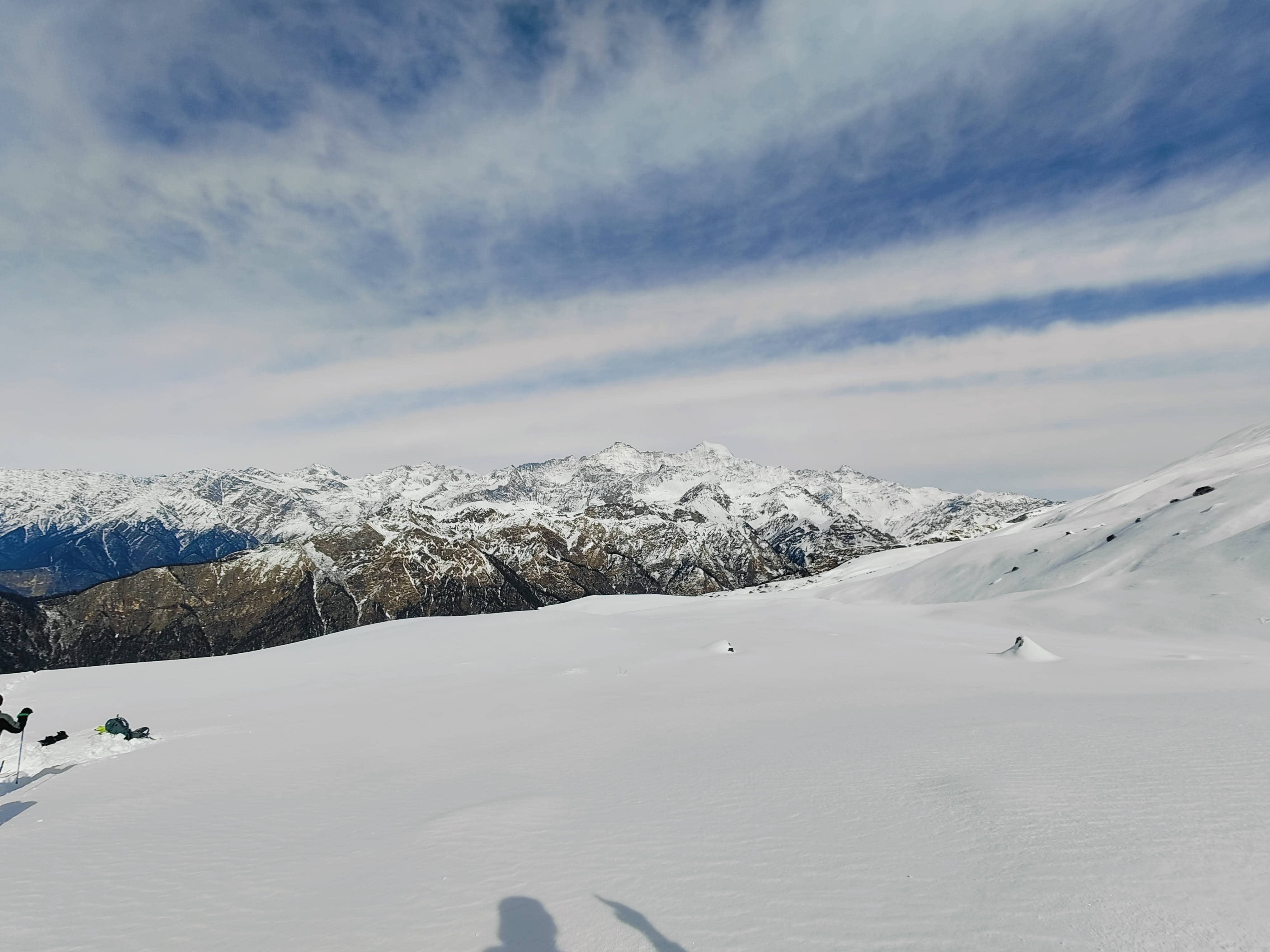
Snowfield and glaciers

Altitude above 14,000 ft

Steep and rocky ascents

Unpredictable or challenging weather conditions

Few difficult Himalayan treks are:

Bali Pass Trek

Great Himalayan Trails

Pin Bhaba Pass Trek

Kanamo Peak Trek

These treks require good trekking experience. You shouldn’t attempt any difficult trek as your first trek. It can be very difficult to handle. Your body should be familiar with long walking hours and high-altitude treks. 


Common Mistake While Choosing A Trek

Many people underestimate the difficulty level. Being physically active doesn’t mean you can do difficult treks comfortably with any prior trekking experience. 

Check:

How physically active are you?

Are you mentally prepared for longer (7-10 days) treks?

Can you handle cold weather? (sub-zero temperature)

Are you comfortable walking for long hours?

You should:

Start with easy treks like Nag Tibba Trek. You can also start with moderate treks like Har Ki Dun only if you are physically fit and mentally prepared. Do at least 3-4 moderate level treks before choosing difficult trek like Pin Parvati Pass Trek.

Treks Become More Enjoyable With Time

Sometimes, even easy treks can feel uncomfortable. This happens when you have a very lazy lifestyle. But once you start trekking, it becomes enjoyable with time. The more you trek, your body becomes familiar with it. 

The stamina improves

Body easily manages high-altitude

Mentally prepared for longer treks

You may feel some discomfort and difficulty as a trek beginner. After 3-4 treks, you will start enjoying the thrill of the Himalayan treks.


Final Thoughts

Trekking is not just a physical activity. You don’t need to prove your strength to anyone. Instead, it is a beautiful journey to nature and yourself. You should always choose to trek depending on your physical and mental level. Your trek should be enjoyable. Start with easy treks and make your way to adventurous ones. 


Himalaya Shelter also provides customized trekking services. We are a team of experts who will take care of you on every step. You can plan the trek with your family or friends. Our team will curate the whole trek itinerary on your dates. We can customize the trek dates, meals, and stays. Our all services are top-notch. Customize the trek with us and make your journey safe and enjoyable. 

Himalaya Shelter has also initiated the Great Himalayan Trail, India. The GHT is a long Himalayan journey from one end corner to another. The trails may take a few weeks to a few months. The Great Himalayan Trail is long and takes you to the heart of mountains.  


About Author

author_image

Recommended Treks

Recent trek Great Himalaya Trails GHT
Great Himalaya Trails GHT

Cost: ₹On Demand | $On Demand

Type: Difficult

Best Time: July, August, September and October

Recent trek Aancha Top Trek
Aancha Top Trek

Cost: ₹11000 | $125

Type: Easy - Moderate

Best Time: January, February, March, April, October, November, December

Recent trek Sham Valley Trek
Sham Valley Trek

Cost: ₹35000 | $404

Type: Moderate

Best Time: June to September

Recent trek Kanamo Peak Trek
Kanamo Peak Trek

Cost: ₹22000 | $254

Type: Moderate - Difficult

Best Time: June to September

Recent trek Pin Bhaba Pass Trek
Pin Bhaba Pass Trek

Cost: ₹27000 | $321

Type: Difficult

Best Time: July to August

Recent trek Dayara Bugyal Trek
Dayara Bugyal Trek

Cost: ₹11,299 | $125.46

Type: Easy

Best Time: January, February, March, April, May, June, September, October, November, December

Recent trek Kedarkantha Trek
Kedarkantha Trek

Cost: ₹7500 | $83

Type: Easy

Best Time: January, February, March, April, October, November, December

Recent trek Bedni Ali Bugyal Trek
Bedni Ali Bugyal Trek

Cost: ₹11000 | $130

Type: Moderate

Best Time: March, April, May, June, October

Recent trek Bali Pass Trek
Bali Pass Trek

Cost: ₹22000 | $259

Type: Difficult

Best Time: May to June | September to October

Recent trek Phulara Ridge Trek
Phulara Ridge Trek

Cost: ₹11500 | $130

Type: Moderate

Best Time: May, June, September, October, November

Recent trek Har Ki Dun Trek
Har Ki Dun Trek

Cost: ₹12500 | $142

Type: Moderate

Best Time: March, April, May. June, September, october, November

Recent trek Kashmir Great Lakes Trek 2026
Kashmir Great Lakes Trek 2026

Cost: ₹20500 | $228

Type: Easy - Moderate

Best Time: July to September