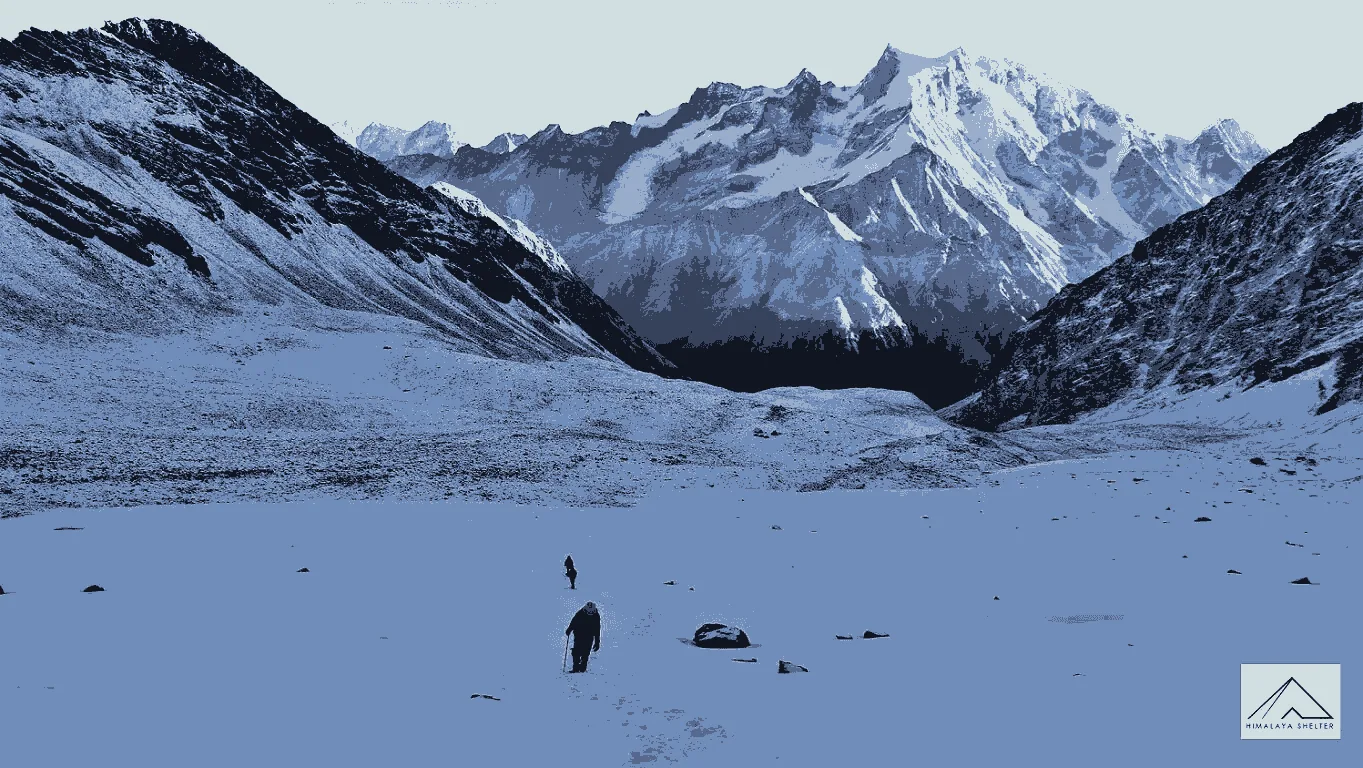
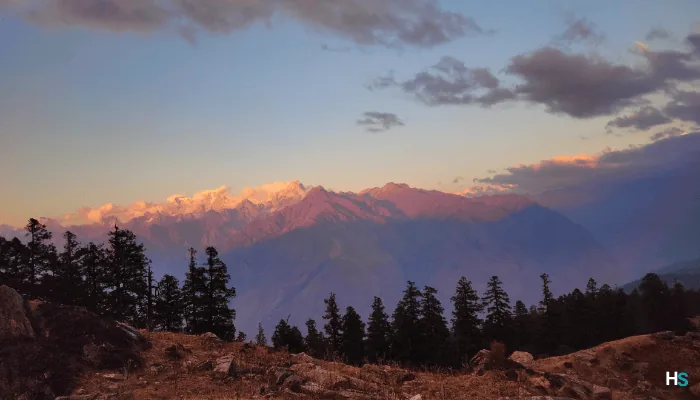
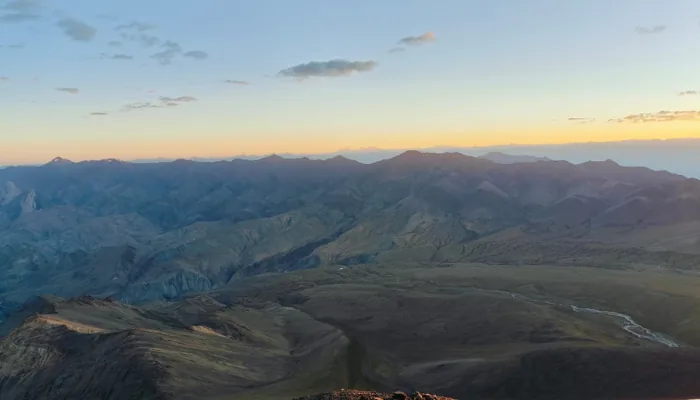
The Great Himalaya Trail is very long and very high. People call it the GHT trek. It runs for about 2400 miles. It crosses Pakistan, China, India, Tibet, Nepal, and Bhutan. This long trek goes over glaciers and high passes. It cuts through the valleys that the Indus, Ganga, and Brahmaputra rivers and many other rivers carved out. Hiking Himalaya is in its raw form.
The Himalaya is the highest and youngest mountain range on Earth. It is still rising. It starts from Barwa Peak in Arunachal Pradesh, India, in the east. It stretches west to Kashmir and ends in Pakistan. The land changes as you walk. The GHT trek is not just about height. It is about how different the land is. You walk from green meadows to a cold desert. You go from thick woods to sharp ridges.
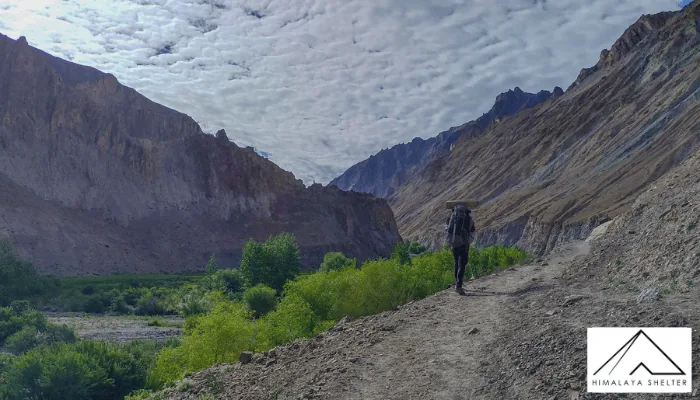
People have lived here for thousands of years. The trail shows you how people live in faraway valleys. You see Buddhist temples and Hindu holy places. You see people who move with their animals and people who farm. The views are amazing.
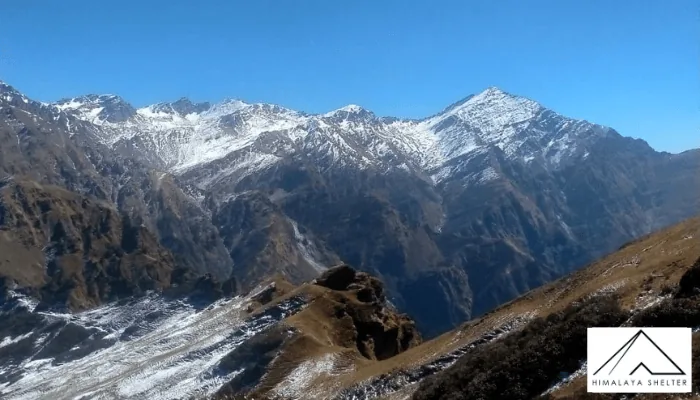
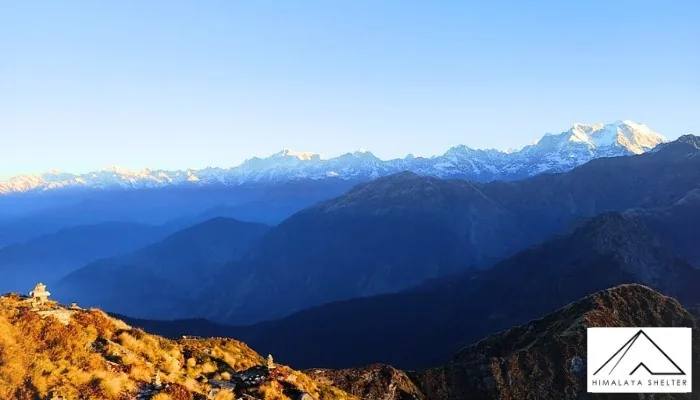
The Himalaya has fourteen of the world's tallest peaks. They are all above 8000 meters. These include Everest, Kangchendzonga, Lhotse, Makalu, and Dhaulagiri. Hundreds of 7000-meter peaks stand next to them. They are steep and snow-covered. They fill the sky with rock and ice walls. These huge mountains make the GHT trek special.
People compare the Great Himalaya trek to Alaska and the Alps in Europe. But it is different. The GHT is not just a path. It is a walk across the roof of the world. It is a trip through land and people that few other trails can match.
Regions of the Great Himalaya Trail
The Great Himalaya Trail, often called the GHT, is one of the longest and long-distance treks in the world. The GHT India trek runs through Kashmir, Himachal Pradesh, Uttarakhand, Sikkim, and Bhutan before linking with the Great Himalaya Trails Nepal. Together, these routes form the Great Himalaya Trails India, part of the Great Himalaya that stretches across the roof of the world. Hiking in India along the Himalaya Trail means crossing glaciers, high passes, and valleys shaped by rivers. Outdoors India is raw and diverse, with cultures and landscapes that change from one region to another.
1. Uttarakhand
- Garhwal: It holds sacred rivers and peaks. The Ganga begins here. Great Himalaya Trails Uttarakhand cross glaciers and alpine meadows. Trekking in Himalayas in Garhwal connects nature with culture, from temples to high ridges.
- Kumaon: It lies east of Garhwal. It has forests, lakes, and sharp ridges. Hiking in India here feels quieter, with villages spread across hillsides. The GHT Uttarakhand section shows both fertile valleys and snowy passes.
2. Himachal Pradesh
- Spiti: It is a cold desert with sharp ridges and deep gorges. Outdoor India here feels stark and quiet. Monasteries stand on cliffs, and the culture is close to Tibet. Great Himalaya Trails Himachal Pradesh pass through Spiti’s barren slopes.
- Lahaul: It lies north of the main Himalaya. The land is shaped by glaciers and rivers. Trekking in India here means crossing high passes that link Ladakh and Spiti. Hiking Himalaya in Lahaul is remote and raw.
- Kinnaur: It mixes forests, orchards, and high ridges. The Sutlej River cuts through valleys. Villages blend Hindu and Buddhist traditions. The GHT Himachal section shows fertile land and snowy passes.
3. Kashmir
Kashmir marks the western edge of the Himalaya Trail. Known as the roof of the world, it offers alpine meadows, glaciers, and valleys carved by rivers. Trekking in Himalayas here shows old traditions and remote villages. The GHT Ladakh section connects nearby, making Kashmir part of the wider GHT trek route.
4. Sikkim
Sikkim is small but diverse. Kangchendzonga, the third highest peak in the world, rises here. Himalaya hikes in Sikkim move from subtropical forests to alpine heights. The Great Himalaya trek here blends Hindu and Buddhist culture.
5. Bhutan
Bhutan lies in the eastern Himalaya. The land is steep, with forests, rivers, and high passes. The culture is deeply Buddhist, with dzongs and monasteries marking valleys. Hiking India connects here with Outdoor India routes that cross into Bhutan.
6. Nepal
Nepal holds the heart of the Great Himalaya Trails. Eight peaks above 8000 meters rise here, including Everest and Lhotse. Hundreds of 7000ers fill the horizon. The GHT Nepal trek crosses glaciers, ridges, and valleys filled with culture. The Great Himalaya Trails Nepal are shown on every Himalaya map and GHT trek map. The best time for Great Himalayan Trail journeys here is when passes are open.
Why Do the GHT?
Adventure and Scale
The GHT is one of the longest and highest trekking routes. It runs about km across India. It connects with Nepal and Bhutan. The route crosses glaciers, high passes, and valleys. Rivers like the Indus and Ganga shaped these valleys. Trekkers deal with altitude, bad weather, and tough endurance. This makes it one of the most demanding long distance treks in India.
Unmatched Mountain Views
The Himalaya holds eight peaks over 8,000 meters. These include Everest, Kangchendzonga, Lhotse, Makalu, and Dhaulagiri. Hundreds of 7,000ers stand next to them. They fill the horizon with rock and ice walls. The GHT trek route gives direct views of these giants. This makes it one of the best treks in India and Nepal.
Cultural Diversity
The GHT India trek goes through regions like Kashmir, Ladakh, Himachal Pradesh, Uttarakhand, Sikkim, and Bhutan. Each place has its own traditions. You see Buddhist monasteries in Ladakh and Spiti. You see Hindu shrines in Garhwal. Outdoor India here means meeting nomadic tribes, farmers, and monks. They live in remote valleys. The Great Himalaya Trails India show how cultures succeed in harsh places.
Transformation
The Great Himalaya Trail community says completing the GHT changes how you see things. Trekkers often say the journey changes how they see themselves. It changes how they see the people they meet. It also changes how they see the natural world. It is more than just hiking Himalaya. It is about getting deep into land and life. These have not changed much by modern times.
Flexibility
You can do the GHT as one long trip. Or, you can break it into regional sections. Examples are GHT Uttarakhand, GHT Himachal, or GHT Ladakh. Maps of the Himalaya Trail show routes across valleys and passes. Trekkers can pick the best time for Great Himalayan Trail journeys. This depends on weather and if the route is open.
TRIP COST INCLUDES (What We Take Care Of)
- Every meal is included on this trek (breakfast, lunch, snacks and dinner).
- You will be accommodated in quality tents or homestays on the trek, depending on the itinerary.
- You will have twin-share tents with air mattresses/sleep pads to create a comfortable camping experience.
- You will receive a sleeping bag, liner and pillow suitable for high-altitude conditions.
- We will provide the full camping setup, including a dining tent, toilet tent, tables, chairs and kitchen equipment.
- We provide a certified and experienced leader who speaks English and is supported by experienced local guides.
- You will have a porter who will offload up to 15 kg (33 lb) of your luggage.
- Each trek includes a full first-aid kit and basic medical assistance during the trek, including an oxygen cylinder and oximeter.
- All required permits (forest entry permits) and local permissions will be obtained by us before the trek commences.
- We will coordinate the rescue and evacuation of trekkers in accordance with local rules/regulations regarding rescues, evacuations, and local terrain.
- All internal transportation will be provided as mentioned in the itinerary, by road, rail and/or air.
- We will provide transport to and from both ends of the trek.
TRIP COST EXCLUDES
- Your personal trekking equipment/clothing & belongings.
- Your personal trekking items and/or technical equipment.
- Meals not mentioned in the itinerary, including meals during hotel stays or transit days.
- Travel and Trekking Insurance. International Trekkers must have insurance valid in their country, covering HIGH ALTITUDE TREKKING and medical emergencies.
- Your Personal Expenses: including Laundry, Calls, Internet Use, Drinks, Souvenirs, etc.
- Gratitudes and Tips: for Trek Leaders/Guides, Cooks, Porters and Support Staff.
Cancellation Policy – Himalaya Shelter
In case it becomes necessary to cancel your trek with Himalaya Shelter, please email or submit a written request mentioning your reason for cancellation. The effective date will be considered as a cancellation request. The following terms will apply:
Cancellation Charges
- If you cancel more than 60 days prior to the scheduled trek date, you will be charged a 10% cancellation fee from the total trip costs. The remaining balance of the trip will be refunded to you.
- If you cancel between 60-31 days prior to the scheduled trek date, you will be charged a 25% cancellation fee. The remaining costs of your trip may either be refunded to you or held on account to be used for a future trek with Himalaya Shelter (subject to availability).
- If you cancel between 30-15 days prior to the scheduled trek date, you will incur a 50% cancellation fee. The remaining costs of your trip may either be refunded to you or held on account to be used for a future trek with Himalaya Shelter (subject to availability).
- If you cancel less than 15 days prior to the trek date, or if you do not show up for the trek, you will forfeit 100% of the trip cost. Therefore, no refunds or credits will be available for use in this situation.
Important Notes
- If you made any non-refundable advance payments for permits, logistics, accommodations, transportation, or services provided by a third party, the amount deducted from your Refundable Amount will be equal to those amounts, as applicable.
- The total price of the trip is a "package", and consequently, no partial refunds are available for services that were not used or for early departure from the trek.
- In situations caused by an "Act of God", government mandate, or force majeure that are unanticipated, Himalaya Shelter will make all reasonable efforts to provide participants with a credit option wherever operationally feasible, but no refunds will be made.
- The cancellation or changes initiated by a participant will be strictly enforced under this policy if the cancellation or changes arise from personal circumstances (including, but not limited to, health, work, travel delays, etc.).