Is Monsoon Trekking Good or Bad? Everything You Need to Know
Trek Diaries

Is Monsoon Trekking Good or Bad? Everything You Need to Know

Is the Monsoon Season Good for Himalayan Treks?

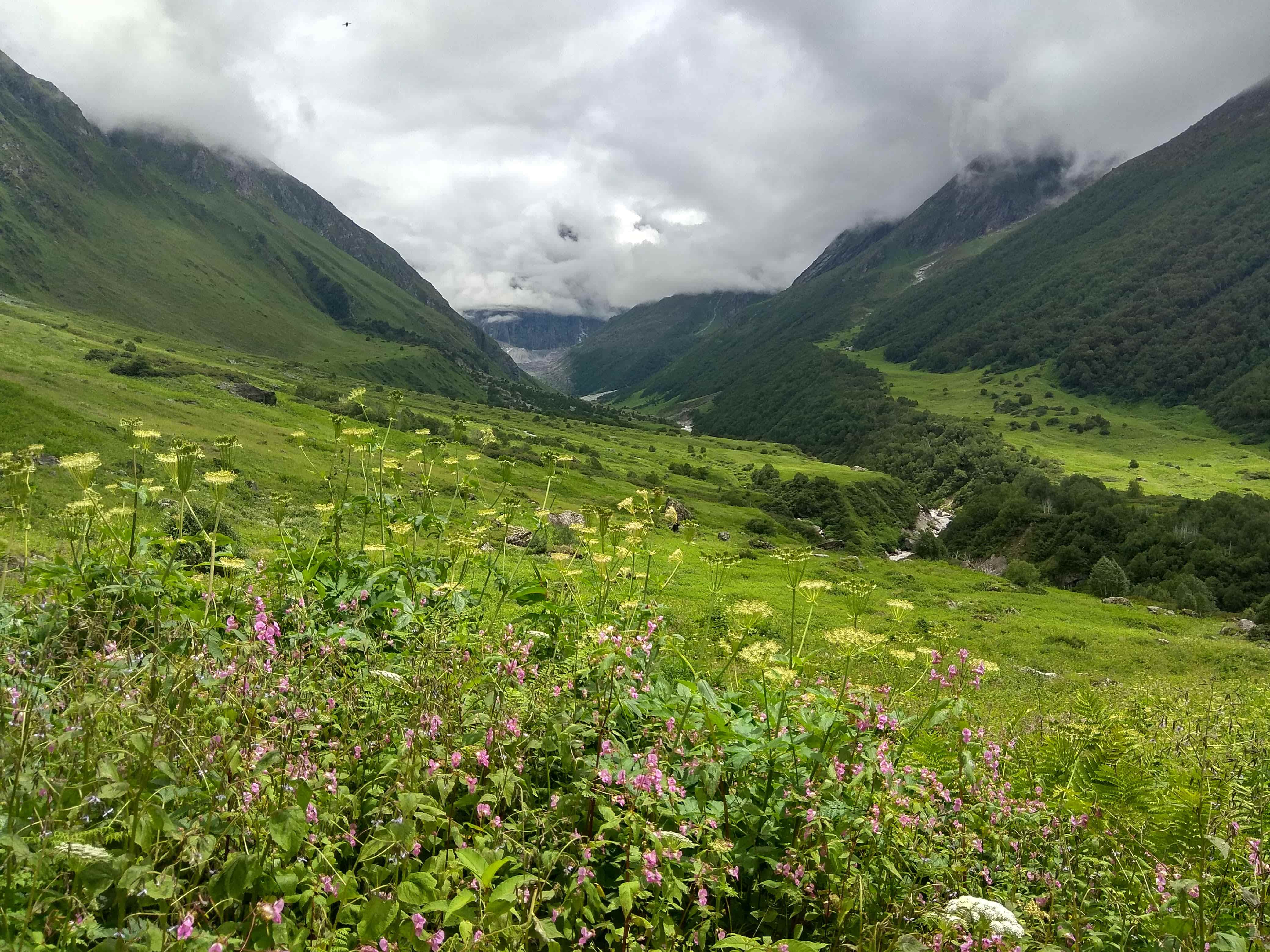
Walking through misty forests while clouds move beside you sounds magical. But monsoon trekking in the Himalayas is not always as dreamy as Instagram makes it look. Monsoon seems very magical. Green forests, floating clouds and cascading waterfalls, everything looks fresh and peaceful. For many trekkers, monsoon seems a perfect time to explore the Himalayas. But at the same time, monsoon can be very challenging due to slippery trails, unpredictable weather and low visibility. 

So, is monsoon trekking good or bad?

Well, the answer depends on which trek and what experience you are looking for. Monsoon treks like Valley of Flowers can become your most memorable treks or a difficult journey if you are not prepared well.

Here, we will understand the pros and cons of trekking in monsoon, safety measures, best treks, and planning.

Merits of Trekking in Monsoon

Greener Landscapes

Mountains look perfect in the monsoon season. Rain washes off all the dust and every leaf looks fresh and greener. Treks in Himachal Pradesh, Kashmir, and Uttarakhand become more scenic.

Cooler Temperature

Walking out in summer is difficult. Too much heat and sweat ruin every plan. The temperature in Himalayan regions still feels manageable but daytime can be difficult, especially, if you are ascending. Monsoon arrives with cool temperatures and fresh weather. Trekking in this season feels more relaxing. 

Wildflowers

If you love flowers, monsoon is the best time for you. Treks like Valley of Flowers only open in monsoon. You can see 500+ species of wildflowers in just one trek. Every section looks colorful and serene.

Fewer Crowd

Not many people trek in monsoon. People avoid monsoon trekking due to slippery trails. If you are one of those who prefer quieter trails and peaceful trekking, monsoon trekking is best for you. 

Challenges While Trekking In Monsoon

Monsoon treks are very peaceful and serene but can be pretty challenging. Trekking in monsoon is not easy. There are many factors that you should understand before planning a monsoon trek.

Slippery Trails

Monsoon means slippery trails. Most trails will be muddy. Walking on those trails is not easy. You have to walk slowly and very carefully. It can make your trek more tiring. Slippery trails are also dangerous due to high risk of slipping or ankle twist if not geared properly.

Landslides

Landslides are very common in monsoon in the Himalayan region. Heavy rainfall can cause landslides and road blocks. Sometimes, even reaching the base town becomes difficult. You may have to re-route the path or re-schedule your trek. Landslides are very common in Uttarakhand and Himachal region.

Leeches

Leeches can be a problem while trekking in monsoon. If your trail passes through any forest region or river side, leeches can stick to your body. While leeches are harmless, they can be very uncomfortable. 

Unpredictable Weather

Weather is always unpredictable in the Himalayas. You can get rain anytime, whether it's peak summer or even autumn. In monsoon, even bright sunny mornings can turn into heavy rain or hail storms till afternoon. 

Wet Gear

Continuous rain for days can wet your clothes, shoes, and other gear. If you are not carrying rain gear like poncho and bag raincover then it can be a big problem. Walking for long hours in wet clothes is very uncomfortable and can make you sick. 
Is Trekking in Monsoon safe?

Yes, trekking in monsoon is safe and can be a great experience if chosen and planned correctly. No, not every trek is safe and accessible in monsoon. Most treks in Uttarakhand and Himachal become inaccessible in monsoon due to high risk of landslides and cloud bursts. But there are many treks that are safe and offer the best trekking experience in monsoon.

The key is choosing the right trek with proper preparation.

Talk to a reliable trekking operator and choose the correct trek

Your monsoon trek can become a havoc if you choose the wrong trek. Always talk to a relatable trek operator who can suggest you and plan out a good monsoon trek. Book the trek with a trusted trekking company that has good safety measures.

Essential Gear for Monsoon Treks in India

Packing rain gear like rain jacket and backpack cover is always essential. Whether you are trekking in summer or winter, you have to pack your rain essentials. But if you are trekking in monsoon then always be extra careful about your gear. Carry extra t-shirts, trekpants, and t-shirts. If your clothes get wet then change them as soon as you reach the campsite.

Always Check the Weather Forecast

In monsoon, you will see a lot of rain. But you should still look for the weather forecast. If there is heavy rain or any other warning then wait until the weather becomes normal. Checking the weather often also helps you to prepare for the trek mentally. 

Look For Easy Treks as A Beginner

If you are new to trekking and want to explore the Himalayan in monsoon then look for easy treks like Valley of Flowers or Hampta Pass. These treks are beginner-friendly and show the Himalayas at their best. 

Trekking in Spiti and Ladakh Region

The Spiti and Ladakh region of India lies in the rain shadow zone. This region receives very little rainfall even in peak monsoon season. Trekking to these areas is safe. But most of these treks are located at good altitudes over 3,500 meters. As a beginner, you can do treks like Sham Valley or Miyar Valley. If you are an experienced trekker then you can plan Kanamo Peak Trek.

Who Should Avoid Monsoon Trekking?

Monsoon treks are beautiful but not suitable for everyone. People who don’t like muddy trails, wet shoes and unpredictable weather should avoid monsoon trekking. Wait for a month and plan your trek in autumn. Trekking in autumn is also very pleasant, clear skies and dry trails can make your trek beautiful and safe. Trek beginners should only trek in monsoon with a good trekking organization.

Is Monsoon Trekking Worth It?

Trekking in monsoon is beautiful but can be challenging. Monsoon treks means greenery, wildflowers, cascading waterfalls, and quieter trails. At the same time, it can be challenging due to risk of landslides, slippery trails, and low visibility. Your monsoon trek can be safe and beautiful with the right trek, correct gear, and good preparation. 

Monsoon trekking is not just about reaching a summit. It is about walking through clouds, hearing rivers roar beside the trail, and watching the mountains come alive after every rainfall. Yes, the season comes with challenges, but with the right preparation and the right trek choice, it can become one of the most unforgettable experiences in the Himalayas.

If you are planning a Himalayan trek during monsoon, make sure to plan the trek with experienced guides for a smoother and safer journey. You can plan your monsoon trek with Himalaya Shelter. We offer both fixed and customized trekking services. In customized treks, we will plan the whole itinerary depending on your requirements.

Is monsoon trekking safe in India?

Yes, if you choose the right trek and plan properly. 

Which is the best monsoon trek in Uttrakhand?

Valley of Flowers is the best monsoon trek in Uttarakhand.

Which are the best monsoon treks in Himachal Pradesh?

Hampta Pass and Pin Bhaba Pass are among the best monsoon treks in Himachal Pradesh.

Why are the Spiti and Ladakh regions good for monsoon trekking?

Spiti and Ladakh regions lie in the rain shadow region and receive little rainfall during the monsoon.

Are there any beginner-friendly treks in monsoon?

Yes, Valley of Flowers and Hampta Pass beginner-friendly monsoon treks in India.