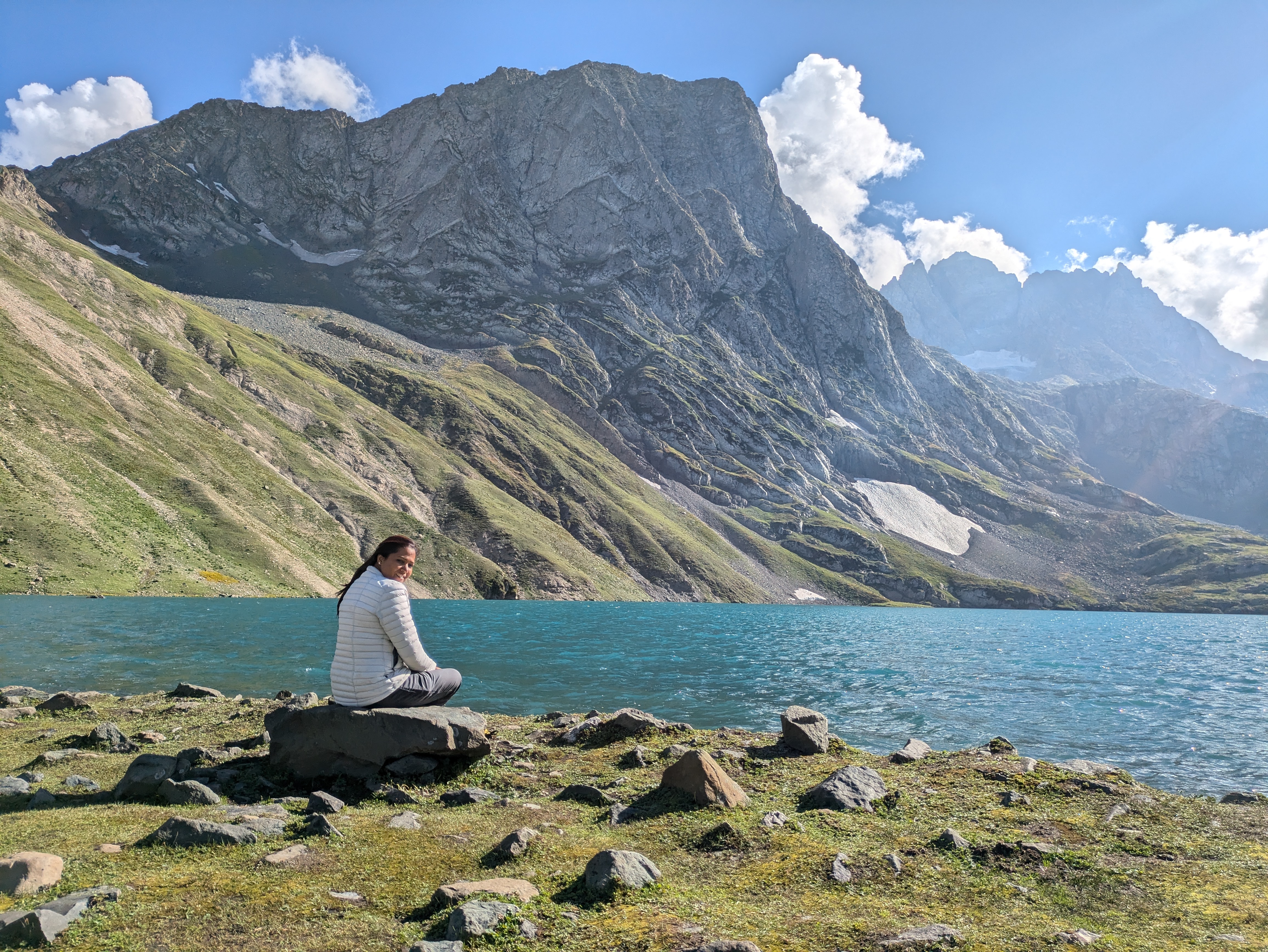
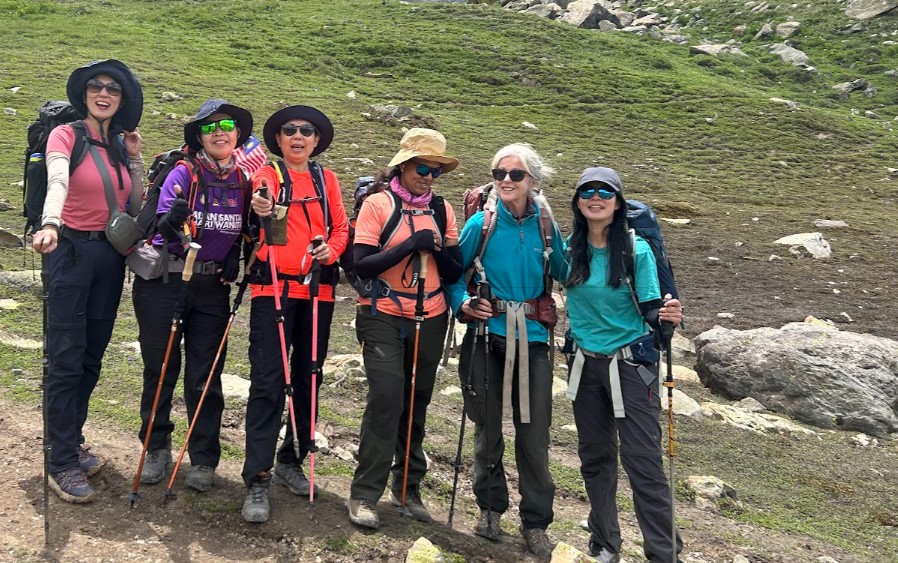
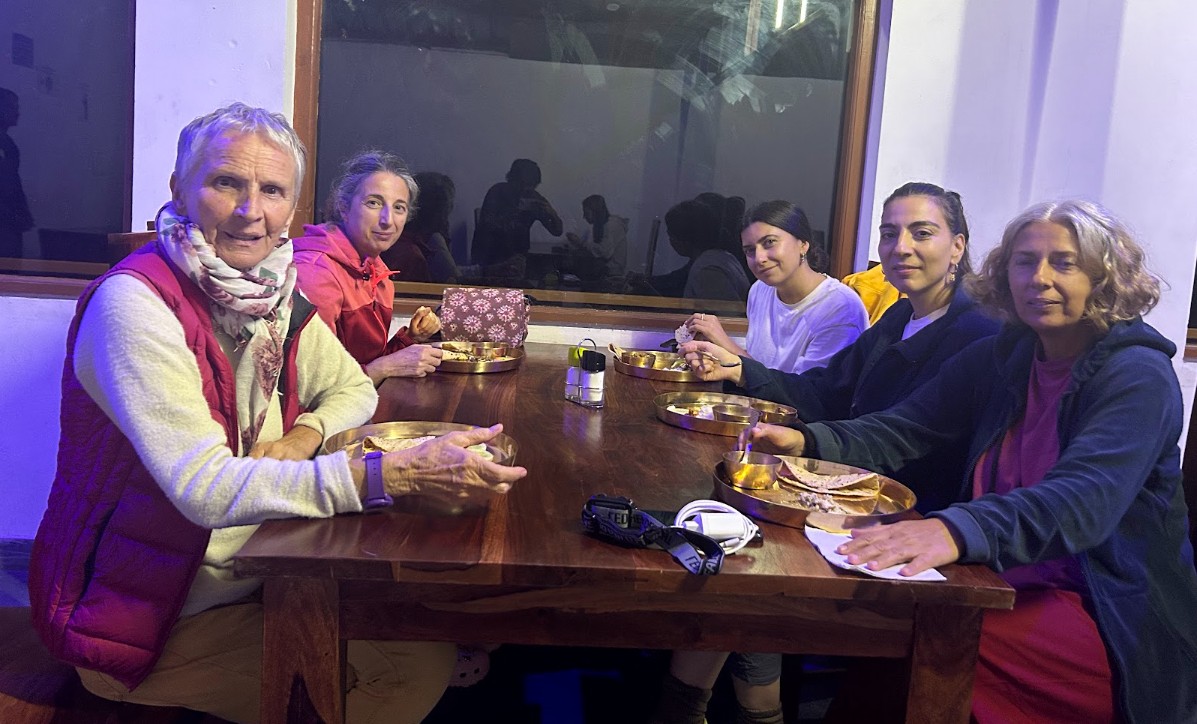
Mountains always feel magical to everyone. Whether you are trekking with friends or family; mountains are always peaceful. The silence and fresh air takes away all the tiredness. Nowadays, females are stepping out from their comfort zone and exploring the raw nature. However, safety is always a concern that often holds them back. The idea of trekking alone in the mountains might sound unsafe. A female-only trek in the Himalayas is not only about reaching a certain location but more about exploring trails, make connections in a very secure environment. With Himalaya Shelter, we are introducing female-only treks to introduce safety, comfort and confidence.

Safety is always the biggest concern among females. Everyone wants to travel the mountains but the remoteness and no network often feel risky. Then how to trek without any fear regarding safety? The answer is simple, female-only trek groups.
A safe and supportive environment
Safe trekking for women means a space where you can be you without any hesitation. An environment where you don't have to worry about anything. From well-trained staff, female-trek leader to well-planned itineraries, the company manages everything. The team stays with you all time and handles all your queries and concerns.
Comfortable Group Dynamics
Travelling with a women-only trek group provides comfortability and an understanding environment. These groups help in removing the social pressure and allow each and every woman to be herself. Also, the management plans the itineraries and stays, especially for women. This kind of environment helps in open communication and mutual support.
Travel Freely Without Any Restrictions
When you trek with only women, you feel more liberated. You can fully focus on trek and mental-peace instead of any concern about judgement or discomfort. These are very small things that sometimes become bigger concerns for women. But when you travel with only ladies, you can dress comfortably, sleep comfortably and express yourself well. This sense of easy play enhances the trekking experience.
What to expect in a Himalayan trek as a female trekker?
Trekking in the Himalayas can be a life-changing experience, especially for first-time female trekkers. The sense of being with yourself after a long time gives lots of peace. As a female, there are always some queries regarding trek difficulties, stays, and the facilities.
Basic but comfortable stays
Trekking in the mountains means looking for peace. You can’t expect luxury in the high-altitude remote areas. Here, the stays are simple but comfortable.
Stays in tents or guesthouse / homestays
Limited electricity source
Charging facilities may not available
If you are new to Himalayan trekking then this might feel different but people usually adapt easily.
Toilet and hygiene facilities
Most guesthouses have attached washrooms with geysers. However, there might be common washrooms in homestays.
Toilets are among the biggest concerns among female trekkers. There will be toilet tents on the campsites. These are pit toilets where you do your job and then cover it with soil or wooden husk. Some toilet tents also have portable toilet seats.
Physical effort and daily routine
Trekking in the mountains is different from travelling in cities. Trekking in the Himalayas means you have to walk for hours daily. You will walk about an average of 4-5 hours daily. Some treks are easy where you don’t feel tired. But some treks can be where you may have to walk 8-10 hours in difficult terrain.
Simple nutritious meals
Meals on the Himalayas treks are usually simple but nutritious. The company provides balanced meals which provide good energy and won’t feel heavy to your tummy. Food is usually prepared from locally sourced goods like rice, lentils, fruits, and fresh veggies. Evening snacks are served with tea that takes away all your tiredness after trekking the whole day.
Choose your first trek wisely
There are lots of treks to start your trekking journey. You can do weekend treks like Nag Tibba or Bijli Mahadev Temple. But these treks do not offer the whole experience of a Himalayan trek. These treks are good for relaxing but you can’t consider them as a pure Himalayan trek. If you are serious about trekking then look for longer options such as Dayara Bugyal, Har Ki Dun trek, Phulara Ridge, Hampta Pass, etc. These treks are 5-7 days long and provide real Himalayan trekking experience.
Prepare yourself physically and mentally
If you are new to trekking then you must prepare yourself for long walking hours on uneven trails. Not all treks are difficult. In some like Dayara Bugyal, the trail is easy. But there are few treks where you might walk for long hours on difficult sections. You can prepare yourself by doing daily exercises and light jogging a few weeks before the trek. Watching videos about the trek on YouTube can also help in understanding the terrain to prepare yourself mentally.
Pack all the essentials
You have to pack all the essentials for a Himalayan trek. Most of the treks are in very remote locations where you won’t find any shop. You also have to consider that you need to carry your backpack on your own. There is offloading support but that means some extra expense. For packing, always check the weather or you can talk to the trek consultant. Do not carry any extra item that can make your bag heavy.

Himalaya Shelter is introducing female-only treks to encourage women hikers. We believe everyone should feel safe in the Himalayas. Our company is providing an environment where you can be fully expressive and be yourself. Our female trek-leaders are AMC-certified and have good experience in high-altitude trekking.
We operate one fixed departure female-only trek a month. Our company operates with a fewer number of trekkers. Himalaya Shelter always prioritizes quality over quantity. Our goal is to provide the best possible services to the trekkers. We function with minimum 6 to maximum 12 trekkers with double-sharing stays. Single supplement with extra charges. If you are looking for your first-himalayan trek as a female, we are here for you.
April - Har Ki Dun Trek - 19 April (group size 6-12 people)
May - Phulara Ridge Trek - 3 May (group size 6-12 people)
June - Buran Ghati Trek / Dayara Bugyal Trek - 6 June (group size 6-12 people)
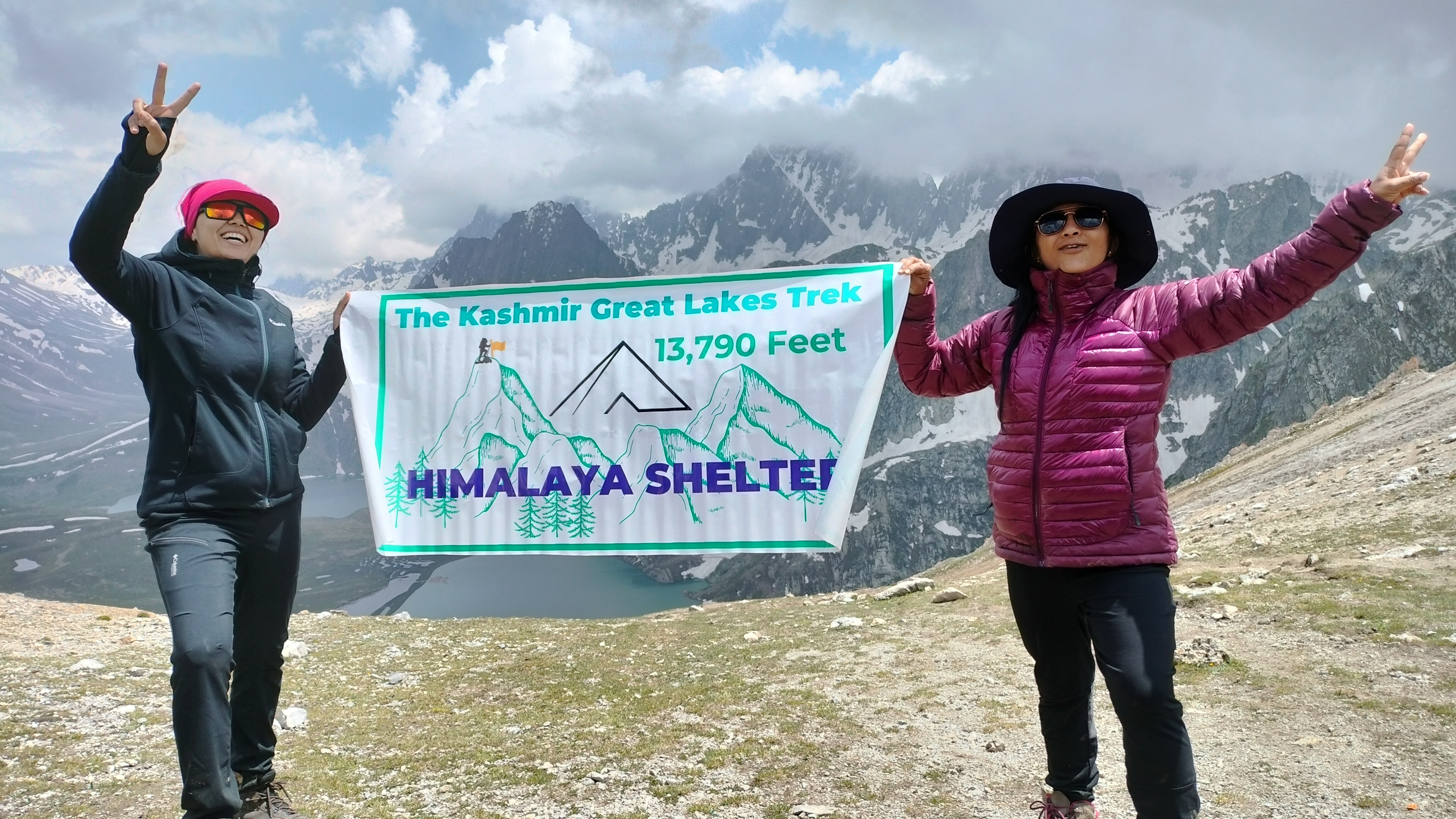
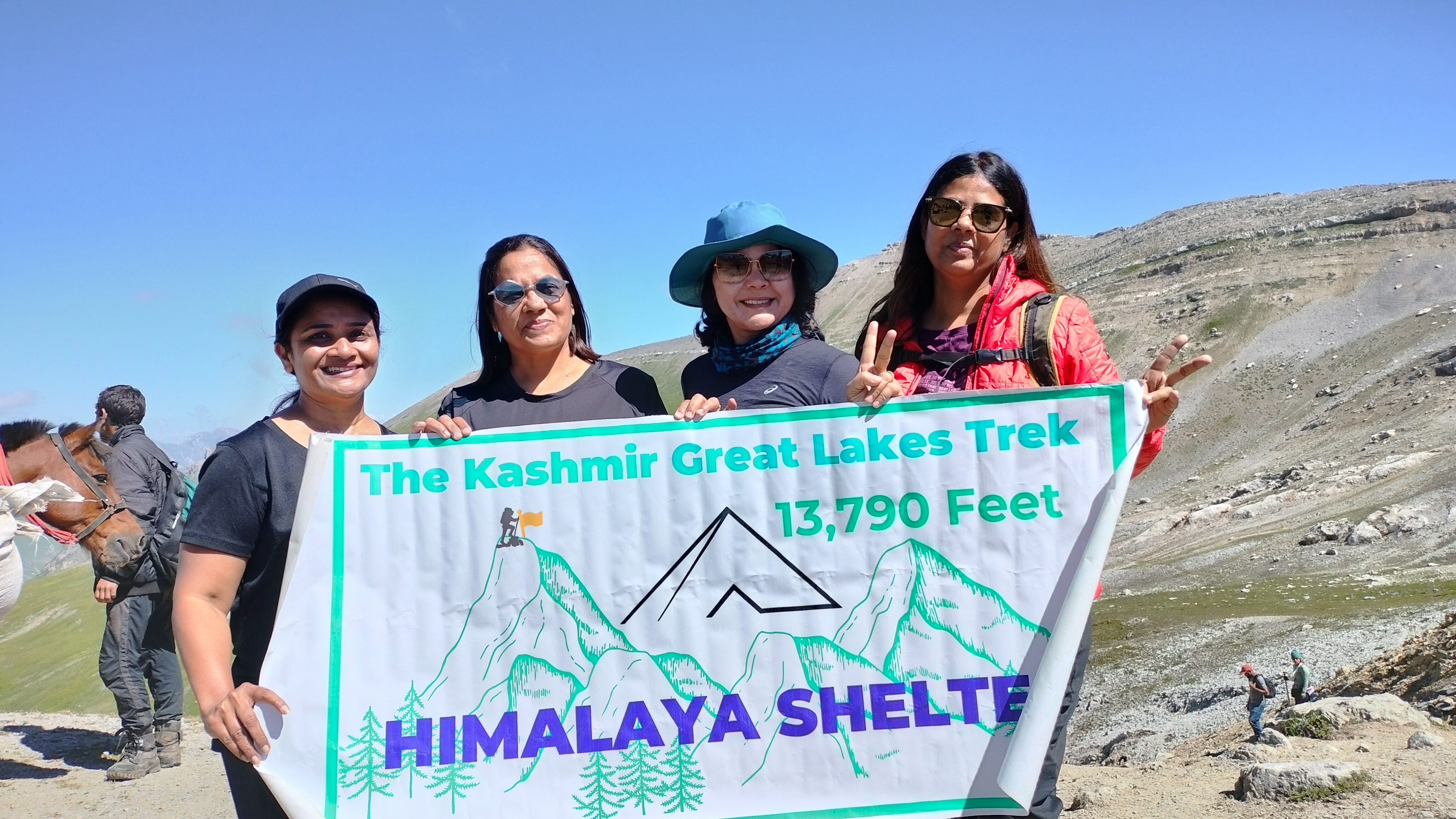
July - Kashmir Great Lakes (KGL) Trek - 12 July (group size 6-12 people)
August - Tarsar-Marsar Lake Trek - 8 August (group size 6-12 people)
September - Kanamo Peak Trek - 5 September (group size 6-12 people)
September - Fachu Kandi Trek - 13 September (group size 6-12 people)
October - Rupin Pass Trek - 3 October (group size 6-12 people)
November - Kuari Pass Trek - 14 November (group size 6-12 people)
December - Aancha Top Trek - 13 December (group size 6-12 people)
Note - We also provide customized trekking services where you will get a tailor-made itinerary for any trek on your preferred dates.
Manisha Sirari
Manisha is a skilled content writer with over 6 years of experience. She has expertise in creative writing. Manisha is very well known for crafting informative and SEO-friendly articles. She delivers content that informs and inspires. From technology to travel, Manisha blends storytelling with great strategy to connect the readers. When not writing, you can find her on a new Himalayan trek.
16 Feb 2026
Cost: ₹11000 | $125
Type: Easy - Moderate
Best Time: January, February, March, April, October, November, December
Cost: ₹22000 | $251
Type: Moderate - Difficult
Best Time: May to June and September to November
Cost: ₹26000 | $289
Type: Moderate - Difficult
Best Time: May to June | September to October
Cost: ₹22000 | $251
Type: Moderate - Difficult
Best Time: May to June | September to October
Cost: ₹17999 | $206
Type: Moderate
Best Time: January, February, March, April, June, September, October, November, December
Cost: ₹11500 | $130
Type: Moderate
Best Time: May, June, September, October, November
Cost: ₹12500 | $142
Type: Moderate
Best Time: March, April, May. June, September, october, November
Cost: ₹20500 | $228
Type: Easy - Moderate
Best Time: July to September