Har Ki Dun Trek Detailed Guide Trail History Culture Geography

Har Ki Dun Trek Detailed Guide Trail History Culture Geography :

Imagine your vehicle running through a road surrounded by tall pine trees, with a view of terraced fields and mountain villages from the window. Then imagine waking up and having tea in front of huge mountains, with morning golden sunlight falling on your face, how warm it feels. As deeper you go in the Himalayas you will be able to hear Mother Nature, the chirping of birds, the gurgling of the stream, and you will hear a soft rustling in the trees as the wind moves through the leaves. 

There’s a trek named the Har ki dun trek that is nestled in the Western part of the Garhwal Himalayas in Uttarakhand, India. It is a mesmerizing valley trek in which the cloudy turquoise Supin River flows. 

In the Garhwal region, you can have a lot of trekking experiences. Here, guides and trails have existed for years.  

Every trek carries its own authenticity and uniqueness within it. Just like the Har Ki Dun trek carries thousands of years old culture. It just does not end here. Har ki Dun connects many other routes and also has an old connection with Himachal Pradesh. This trek is not just walking in the forest and camping. It carries all the mythology, history, several routes, and obviously, beauty.

In this blog about Har Ki Dun, we talk about it in detail. Before doing any trek or visiting a new place, having theoretical information will make you more curious about the trail. At Himalaya Shelter, the guide will make it clear on the trail. And makes a better experience.

Here you will take detailed information. If you want package details like itinerary, pricing. This is all you find on our Har Ki Dun Trek Page.

Introduction to Har Ki Dun Trek

The Har Ki Dun trek is an old culture trek. Here you will walk in a valley with the Supin River. The summit of the trek is at a height of 12000 feet, and you also extend till Maninda Tal or Marinda Tal. It is only 2 km more at an altitude of 13024 feet. The Har Ki Doon trek starts from the Dhatmeer village, which is 18 km away from Sankri. So Sankri is the base of this trek. The Sankri village is Uttarkashi district of Uttarakhand, India. This lies in the Gharwal region of Uttarakhand and comes within the Govind Pashu Vihar wildlife sanctuary.

Here you will walk through untouched culture as you walk through the village on the way, Taluka, Dhatmeer, Gangad, and Osla. 

Osla Village
Osla Village


Overview of the Valley

The Har Ki Dun means Valley of God or Valley of Shiva. The Har means ‘Shiva,’ and Dun means Valley, so it is the Valley of Shiva.

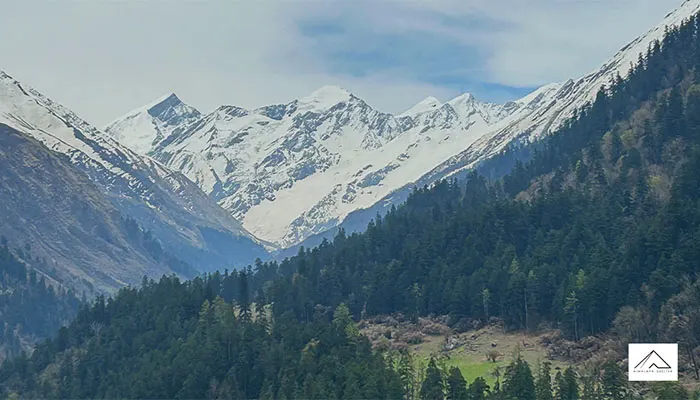
The Har Ki Dun valley is home to pine, walnut, poplar, and willow trees. The shape of the valley is a gentle dip. The Supin River flows in the valley that emerges from the Jaundhar Glacier. The Swargarohini massif stands tall in front all way from Osla. And also the Bandarpunchh and Kalanag(black peak). 

The valley connects the Kinnaur region of Himachal through the Borassu Pass. The valley opens a path to Ruinsara Tal, Bali Pass, and Hata Valley. You walk past villages that still hold old traditions, villages such as Dhatmeer, Gangad, and Osla. The valley also has green, open meadows of Kalkatidhar and forests of Devsu Thatch and Boslo. Then it opens up into wide meadows full of wildflowers. 

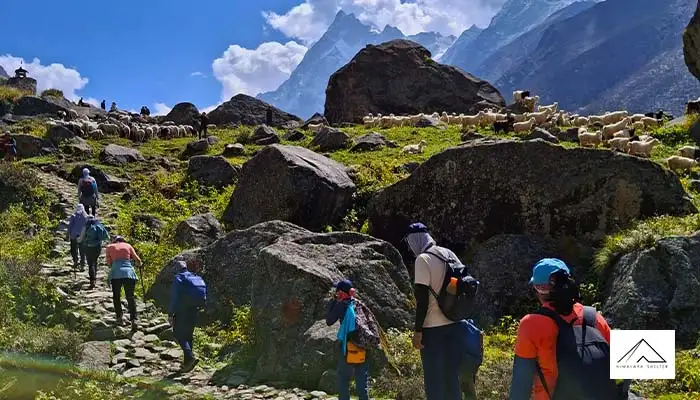
It is fine for new trekkers and those with experience. You have some climbs, but also flat paths. This gives you time to really see the amazing views.

From just an overview, we can guess how special Ki Dun is. 

Valley of Shiva
Valley of Shiva


Why Har Ki Dun is Special

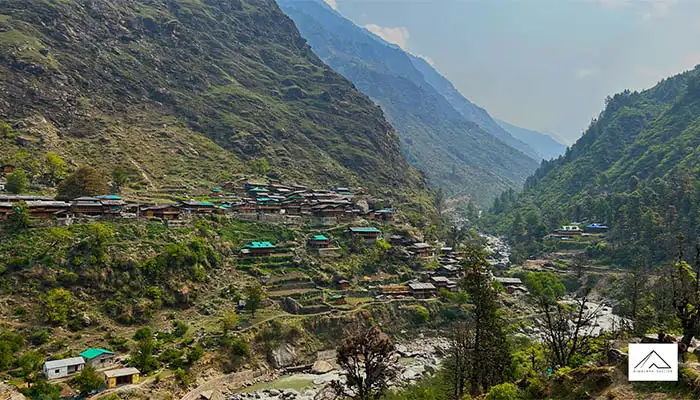
Just imagine you are walking and seeing the wooden houses of Dhatmmeer that feel like they are hanging on hills. And wonder if it is made on hills. And these old houses are made of wood and stone elements in the Pahadi style. Later, you're staying at a cozy homestay at Osla. You are living in a remote village that is 500 years old. You are visiting the village and witnessing the Duryodhana Temple, which is made of wood and stone. You interact with villagers, and you see a traditional weaving machine. There, you hear mythological stories of the Mahabharat about  the Pandavas who crossed that path to reach heaven through Swaragarohini.  

Har Ki Dun is special. It mixes natural beauty with old stories and culture. People call it the "Valley of Gods." The trek goes past farmed land. Villagers have cared for this land for many years. Their way of life is ancient and tied to the mountains. 

The valley is also full of different plants and animals. It is inside the Govind Pashu Vihar National Park. Rare animals live here, like the snow leopard, Himalayan black bear, brown bear, musk deer, bharal, Himalayan tahr, and serow.

Har Ki Dun gives you a real feel for the Himalayas. It lets you connect with both the land and the people. 

Har Ki Dun History & Trail Origins 

  • Ancient Uses of the Valley

In ancient times, the route of the Har Ki Dun valley was used as a trade route with the Kinnaur valley of Himachal Pradesh via the Borasu pass. Also, before it was a trekking trail, it was inhabited and known by the Shepherd and villagers. Still, if it is not used by outsiders, but the  valley is of the Shepherd and villagers.

  • J.T.M. Gibson and the Doon School Connection

J.T.M. Gibson is the person spreading awareness of Har Ki Dun. He was a British teacher and climber at The Doon School in Dehradun. In the 1940s, the teachers of Doon school wanted to introduce their students to trekking and mountaineering and wanted to teach students how to travel in the mountains. So in Garhwal region of Uttarakhand they were looking for a place for trekking.

Gibson heard about Har Ki Dun from local people. He was exploring the Bhagirathi valley at the time. He first went there in 1948. He came from the north, over the Borasu Pass. That is not the way most people go now. Today, the usual route starts from the Tons valley in the south.

Gibson returned many times. By 1953, he was taking students on the trek. His trips helped other trekkers find out about the trail. This is how Har Ki Dun became a famous place to visit in the Himalayas.

  • Transition from Local Path to Trekking Destination

At first, only local people knew about Har Ki Doon. They used it for living and culture. Later, trekkers and climbers came. They wanted to see the beauty and the old stories of the place. 

The valley went from a remote route to a popular trekking trail. People built homestays and marked the paths better. This helped both new and experienced trekkers.

Even with more tourists, the valley is still peaceful. Many villages and nature areas are protected inside the Govind Pashu Vihar National Park. This keeps the old heritage and the animal life safe.

Trails of Har Ki Dun Trek


Mythology & Major Peaks

  • Swargarohini: Path to Heaven

As you walk into the Har Ki Dun valley, you will see one peak take over the view. This is Swaragarohini. Its snow-covered ridges look like a white wall at the end of the valley. It catches the first light in the morning. And it holds the last light in the evening. Even far away, the mountain feels powerful and strange. Many trekkers say the valley changes the first time they see Swaragarohini clearly. It feels quieter. It feels bigger. And it feels more sacred. 

Swargarohini is a group of peaks. You see new angles of the mountain from different spots on the trail. On a clear morning, its ridges look soft and colorful. In the evening, it becomes a dark shape against a bright red sky.

For locals and pilgrims, this is not just a mountain. It is a living presence. It holds centuries of stories, prayers, and respect. For trekkers, it is always there. It is a peak you look back at, even after your trek is done.

  • Mahabharata Legends

Har Ki Dun is famous because of the Mahabharata story. Local people believe this valley and the Swaragarohini peaks were on the final path the Pandavas took to heaven. That is why people call Swaragarohini the "path to heaven." They also call the valley the "Valley of Gods."

The stories say the Pandavas gave up their kingdom after the Kurukshetra war. They started their climb to heaven, called the Swaragarohan. They are thought to have walked through the high parts of Garhwal. They walked towards the icy ridges of Swaragarohini. Only Yudhishthira finished this journey. He was with a dog that was really the god Dharma.

When you hike in Har Ki Dun, villagers sometimes point to the ridges. They say, "Yahi se Pandav upar gaye the." That means "this is where the Pandavas went up." You can see this as a myth or a belief. Either way, it makes the landscape feel powerful.

Getting There: Drive from Dehradun to Sankri

The journey from Dehradun to Sankri. It is the base village for the Har Ki Dun trek. It is a scenic and memorable road trip that covers approximately 190 to 210 kilometers. It usually takes about 7 to 10 hours, depending on traffic and road conditions. The mountain roads passes through a series of beautiful hilly towns and picturesque landscapes, making the drive an experience in itself.

  • Route Preview

You start your drive in Dehradun. You first go up toward Mussoorie. That is about 35 kilometers away. This part has good roads, but also sharp turns. You get wide views of the Doon Valley down below.

After Mussoorie, the road goes through Nainbagh. Then it passes a group of villages called Naugaon. Here you first see the high Himalayan forests and farm terraces.

From Naugaon, you pass Purola, a small trading center. The road then winds through Mori and Netwar. This stretch has thick pine and oak forests. You also cross streams that feed the Tons river valley. The road often gets narrow. But you get calm mountain views and fresh air here.

The final drive is from Netwar to Sankri. You see peaceful Himalayan villages here. They have old wooden homes and apple farms. Sankri is about 1,950 meters high. The air is crisp, and it feels like the start of a good trek.

  • Rivers, Towns, and Scenic Highlights

You will see important rivers flowing along the way. These rivers keep the area green. The Supin river runs close to Sankri. It is a part of the Tons river. It makes the land green and helps local farming. These clear, cold streams are a big part of the region's natural beauty.

The towns and villages you pass offer places to stop. You can get food and see how people live in the mountains. Mussoorie is notable for its older style and busy markets. Purola and Mori have markets and local places to eat where you can rest. Netwar is a quieter village before Sankri. Here, the driving road ends and the trekking path begins.

The drive from Dehradun to Sankri is needed to start the trip. But it is also a good start to the Har Ki Dun trek. It gives you a real feel for the Himalayan foothills.

Sankri Base Camp and Village Life

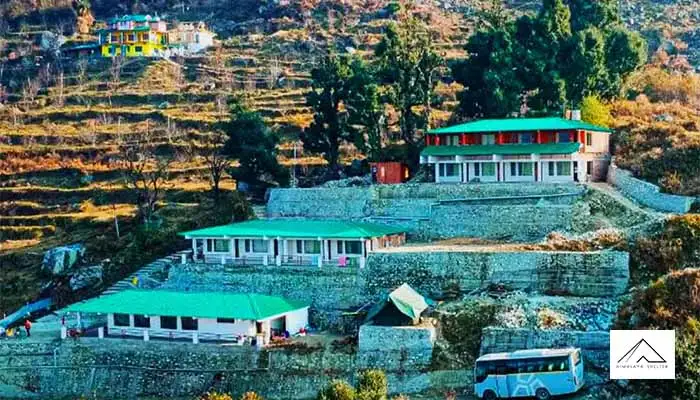
Sankri is in the Garhwal Himalayas. It is the starting point for treks like Har Ki Dun or Kedarkantha. This scenic village sits at about 1,950 meters. It is a quiet place. Traditional Himalayan life is still very strong here. Pine and deodar forests go all around the village. You see nice wooden houses among apple trees and fields. Many trekkers come here now. But Sankri still feels authentic. The small community welcomes people warmly. They live close to the nature around them.

Sankri Basecamp
Sankri Basecamp


  • Local Agriculture: Red Rice and Apple Orchards

Farming in Sankri uses old methods. The mountain land shaped these traditions. Farmers cut terraces into the slopes. They grow staple crops there, like red rice. This rice is healthy and known for its special taste. It is also important to their culture.

Apple orchards also do well here. In spring, the neat rows of trees are full of flowers. In autumn, they hold heavy fruit. These orchards help local families earn money. They also add great color to Sankri's look throughout the year.

  • Temples and Culture

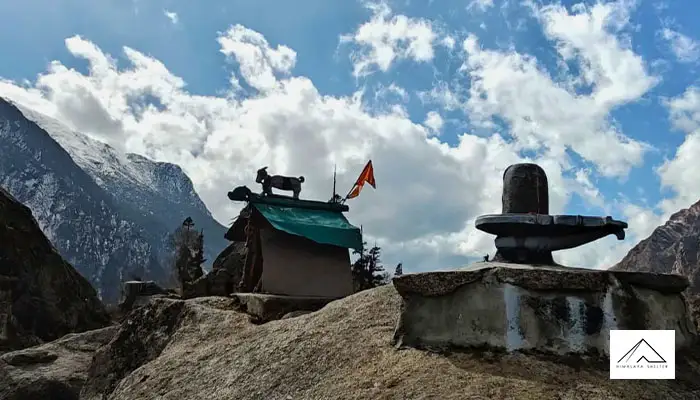
The Someshwar Devta Temple is the main spiritual spot in Sankri. It is for Lord Shiva. Villagers deeply respect him as their guardian god.

The temple is thought to be very old. It shows amazing traditional wood work. It stands for the village's faith and community spirit. Its deodar wood walls are carved with detail. They show local stories, old battles, and religious scenes. This makes the temple a cultural treasure, not just a place to pray.

Locals naturally gather at the temple grounds. They talk, celebrate festivals, and find peace there. The tall Himalaya peaks are right behind it.

  • Someshwar Devta Temple

The Someshwar Devta Temple is very important to the people in Sankri. It matters to the villages nearby, too.

Every year, they carry the idol in a procession. It is called the Doli Yatra. They take it to nearby villages, like Gangaad and Osla. This has been a tradition for many years. It brings the community closer through shared worship, music, and stories.

The temple is in a peaceful spot. You can see big peaks like Swargarohini and Ranglana all around it. This mix of faith and natural beauty is very meaningful for visitors.

  • Annual Festivals: Aasand Mela and Navratri

Sankri has many festivals. The main one is Aasand Mela. It happens twice a year, in January and July. It is a big event with music, traditional dancing, and shared food. Villagers celebrate the harvest and the season change. They eat special local dishes together.

Navratri is another important festival. For nine days, people gather to pray and celebrate. It ends with a big meal near the Someshwar Devta Temple. If you are a trekker, these festivals are a chance to see old, real Himalayan traditions.

Trek Campsites and Highlights

  • Gangaad

Gangaad is one of the first good campsites on the Har Ki Dun trek. It sits right next to a mountain stream. This peaceful village gives you a gentle look at life in the Himalayas.

Trekkers often stay in homestays here. The charm is in the simple wooden houses. People are warm and welcoming. You can hear the calming sounds of nature. You get good views of the pine forests and peaks around you. This is a good place to rest and get used to the altitude before the main adventure.


  • Campsite at Har Ki Dun Trek
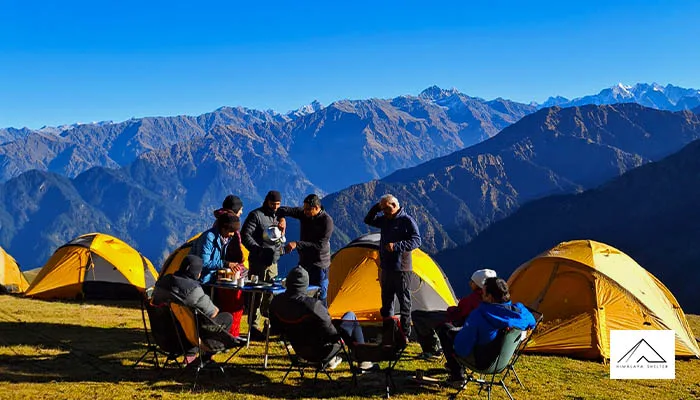
    Campsite at Har Ki Dun Trek

    Osla: First Homestay

Osla is an important mountain village. It is the first stop for many trekkers. Staying here gives you a real feel for village life in Garhwal. The houses are colorful. There are small local market. The village has a rich culture.

You will see the old-style stone and wood buildings. There is a temple here for Lord Shiva. This adds a spiritual feeling to daily life. An Osla homestay is a chance to see the local culture up close. You can watch traditional festivals and see how mountain people live.

  • Kalkatiyadhar: Best Sunset Views

The Kalkattidhar Campsite is famous for its amazing sunsets. This is a wide, open camp area. It sits among large valleys. You get big views of peaks like Bandarpoonch and Black Peak here.

  • Boslo & Devsu Thatch: Forest Clearings

Boslo is a good campsite for people who love nature. It sits near thick pine and fir forests. Big trees and mountains surround it. The spot offers quiet time and a strong feeling of wilderness.

Nearby is Devsu Thatch. Many people think it is the prettiest camp on the whole trail. It has green meadows that open into wide, clear spaces. This is perfect for watching the stars.

The soft morning light here shines on the snow peaks far away. It is a very peaceful spot. Kalkattidhar Campsite is another good option nearby.

  • Chillurgad: Riverside Beauty

Chillurgad is a riverside campsite that offers close proximity to the flowing crystal-clear water, making it a tranquil place to camp. The sound of the river mingling with the rustle of chillur trees creates an immersive natural soundtrack as you camp beneath fir forests. Although camping here can be unpredictable due to river levels, this spot has a unique wild charm that draws trekkers back when conditions allow, offering an intimate experience of the Himalayan landscape.

  • Borasu Pass (Connection to Himachal)

Borasu Pass is a very high pass. It sits at 5,263 meters (17,267 feet). This Himalayan trekking route links the Har Ki Dun valley in Uttarakhand trekking to the Baspa valley in Himachal Pradesh.

People used it long ago for trade. They also exchanged culture here. It has difficult land and you must cross glaciers. But the views of the peaks are great. You need to be an experienced trekker to cross this pass. You must be ready for high altitude and traveling on ice.

The pass gives you direct access to remote Himalayan villages. These include Osla in Uttarakhand and Chitkul in Himachal. You can see a mix of Garhwal and Himachali culture along the route.

  • Bali Pass (Access to Yamunotri)

Bali Pass is about 4,940 meters (16,207 feet high). This pass is a famous Trekking in India route. It crosses from the Har Ki Dun trek route into the sacred Yamunotri area.

The trek is hard. It has steep climbs and narrow ridges. You will walk on scree slopes and snowy parts. When doing this har ki dun trekking, you get amazing views. You can see the Swargarohini, Bandarpoonch, and Black Peak mountains. The trail often crosses old glacial rock and open meadows. Ruinsara Tal, a clean lake, is a popular place to camp nearby.

People usually try Bali Pass before the monsoon (May to June) or after it (September to October). Winters are too harsh here. It connects many villages that are rich in culture. It gives you a mix of nature, spiritual meaning, and hard terrain.

  • Dhumdhar Kandi Pass (Connecting Gangotri Valley)

Dhumdhar Kandi Pass is a high mountain pass that few people know about. But it is important. It connects the Har Ki Dun area with the Gangotri valley.

This pass is very high up. It gives adventurous trekkers a wilder route. They can see the rough wilderness of the Garhwal Himalayas. The pass crosses different terrain. You walk through thick forests, grassy alpine areas, and snowfields. Trekkers who cross Dhumdhar Kandi see two distinct valleys change. Each valley has its own plants, animals, and mountain views. This pass is more remote. It needs careful planning. You need experienced trekking skills. You also need to get used to the altitude because the conditions are tough.

These major passes add a lot to trekking in Har Ki Dun. They give you routes that connect different parts of the Himalayas. Each pass has its own challenges and history. And they all have amazing views. Trekkers who want more than common trails love this region.


About Author

author_image

Tanisha Chauhan

Tanisha is a Trek Leader at Himalaya Shelter. She loves the mountains and telling stories about them. She enjoys sharing experiences from her trips. Her goal is to become a full-time mountain leader.

Recommended Treks

Recent trek Har Ki Dun Bali Pass
Har Ki Dun Bali Pass

Cost: ₹45000 | $516

Type: Difficult

Best Time: May to June and September to October

Recent trek Har Ki Dun Ruinsara
Har Ki Dun Ruinsara

Cost: ₹17500 | $200

Type: Easy - Moderate

Best Time: March to September

Recent trek Har Ki Dun Trek
Har Ki Dun Trek

Cost: ₹12500 | $142

Type: Moderate

Best Time: July to September