The Himalayas are not only the greatest and highest mountain range in the world, but they are also one of the most ecologically diverse systems on the planet. With the combination of dense forests, alpine meadows, and rugged cold desert areas, the Himalayas provide a truly unique collection of wildlife.
Understanding wildlife in the Himalayas will enhance the outdoor experience for trekkers and outdoor enthusiasts and facilitate responsible travel in the mountains.
Trek Diaries
Himalayan Animals and Wildlife: A complete guide to rare and endangered species of the himalayas
Why the Himalayas Have Unique and Diverse Wildlife
The Himalayas represent some of the most extreme climatic differences in terms of differences in altitude within a short distance, creating multiple distinct ecological zones. Each ecological zone contains different ecological climatic conditions as well as different plant & animal species.
Each ecological zone can be further described as follows:
- Lower Himalayas (0-1,500 m): Subtropical Forest, Languristic (langurs), Leopard, Black Bear.
- Mid-Altitude Forest (1,500 - 3,000 m): Musk Deer, Red Panda, Himalayan Monal.
- Winter Meadows (3,000 - 5,000 m): Blue Sheep (Bharal), Himalayan Tahr, Ibex.
- Extreme Cold Desert (5,000m +): Snow Leopard, Tibetan Wolf, Himalayan Brown Bear.
Wildlife that inhabit the Himalaya Mountains are adapted to extreme climatic conditions as a result of living in an environment where the oxygen supply is low. Many animals have adaptations such as thick fur, strong lungs for low oxygen, and powerful legs to navigate steep rocky terrain.
Top Himalayan Animals Found in the Indian Himalayas
Snow Leopard
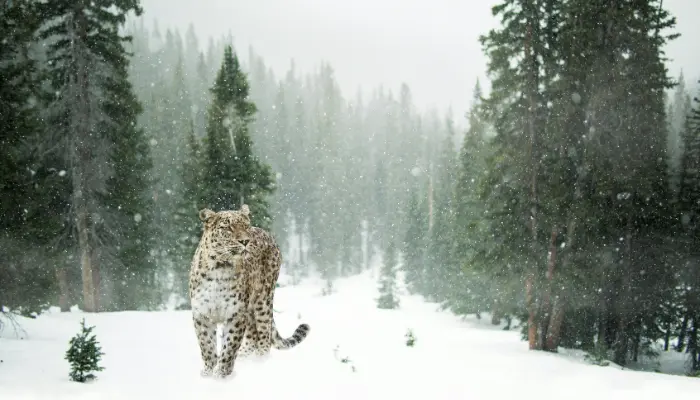
These charismatic predators occur above 3000 m elevation in high mountains and rely on their ability to camouflage and stalk quietly to hunt.
Himalayan Blue Sheep (Bharal)
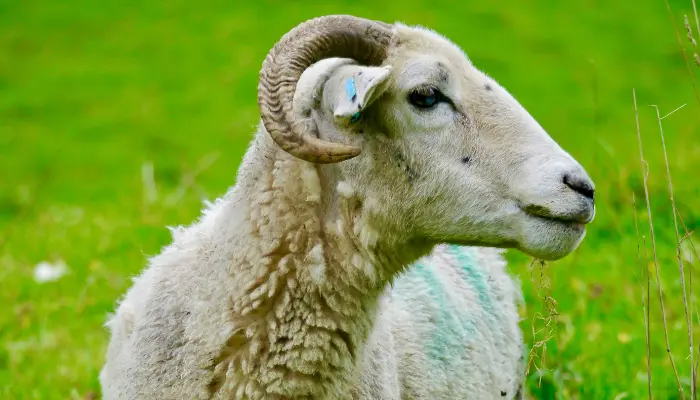
Bharals are the primary prey of snow leopards that graze on the alpine environments in grassy areas.
Himalayan Tahr
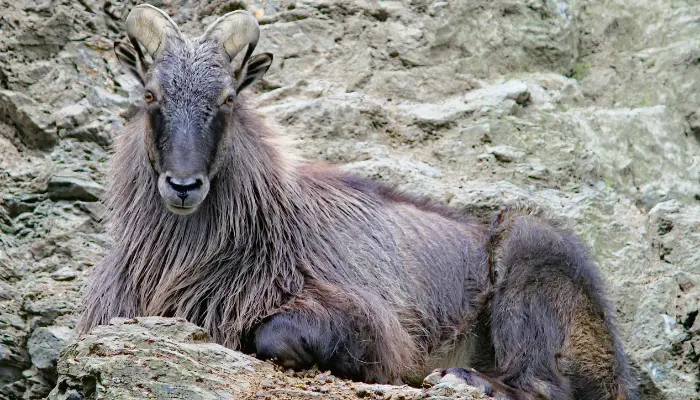
Himalayan tahr are large goats adapted to live in the high Himalayas on steep, rocky slopes at elevations of 3000-4500 m, with a distribution primarily throughout the state of Uttarakhand and parts of eastern Nepal.
Musk Deer
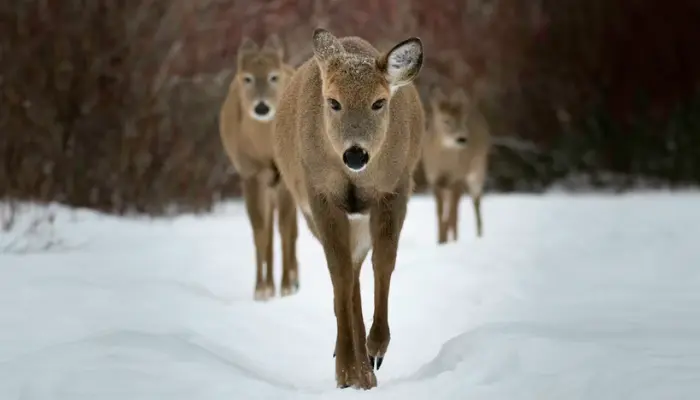
Musk deer are elusive animals that prefer to live in significantly wooded areas and are well known for the musk they produce in their glandular organs. Sadly, the musk deer range is rapidly declining as a result of over-exploitation and poaching by humans.
Red Panda
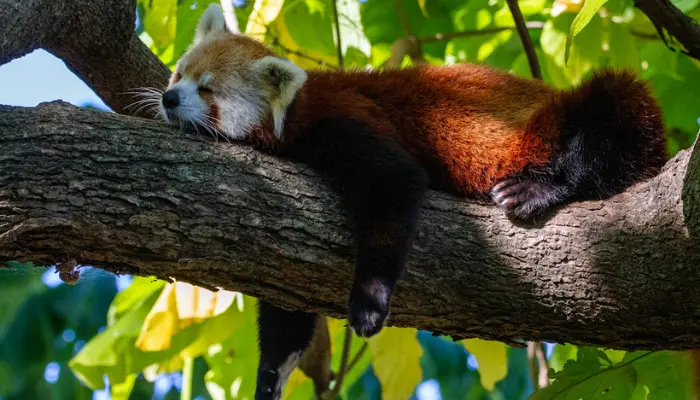
Red pandas are rare mammals and have a distribution primarily in the eastern Himalayas, specifically inhabiting the bamboo forests of Sikkim and Nepal.
Rare and Endangered Animals of the Himalayas
The ecosystem is home to a large number of globally threatened wildlife. Below are just a few of them that are important.
Snow Leopard
The snow leopard is an apex predator that is found between 3,000 and 5,500 metres in the high altitudes of Ladakh, Spiti and Nepal. Snow leopards play an important role in maintaining balance within the ecosystem.
Red Panda
The red panda is a symbol of the temperate forests of the Himalayas. They are found in the temperate forests of Sikkim, Nepal, Bhutan and the range between 2,200-4,800 metres.
Himalayan Musk Deer
This endangered deer, found in the alpine forests of Uttarakhand and Himachal Pradesh, is famous for its musk gland, which is used for illegal hunting.
Himalayan Black Bear
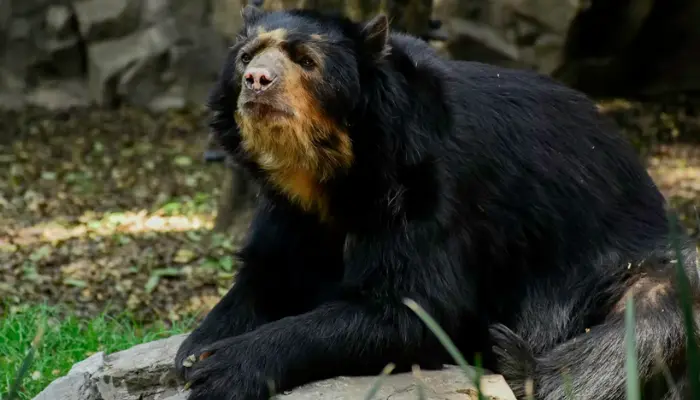
The Himalayan black bear is a very common species in mid-altitude forests and is easily recognised by its black coat and distinctive white patch on the chest. It has a very important role to play within the forest ecology.
Tibetan Wolf
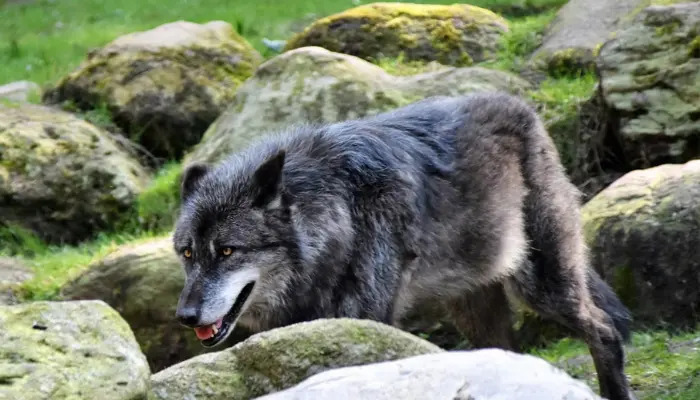
The Tibetan wolf is a high-altitude predator that lives in Ladakh and Spiti. It can survive in the extreme cold of the desert environment and prey on bharal and marmots.
Himalayan Ibex
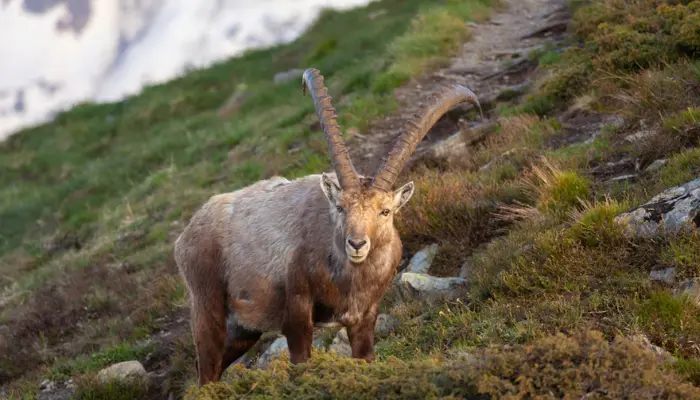
The Himalayan ibex is a wild goat species that inhabits the steep rocky ridges of Ladakh and the Spiti region at altitudes of 3,000 to 5,000 metres.
Himalayan Brown Bear
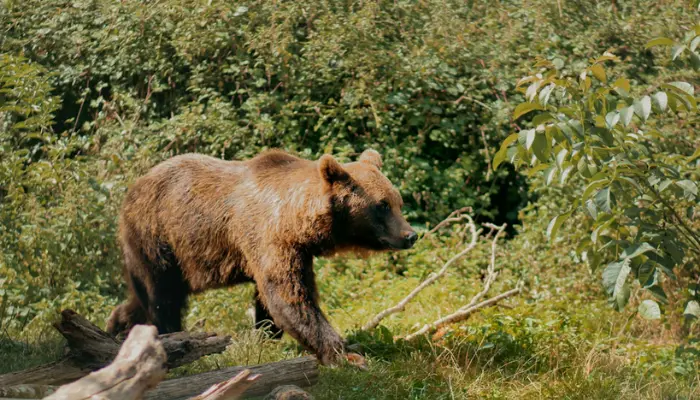
The Himalayan brown bear is one of the largest mammals found in the Himalayas. They inhabit alpine meadows and the high valleys of the Himalayas.
Himalayan Birds: Species Found at Different Altitudes
Many bird species live in the Himalayas.
- Himalayan Monal (Uttarakhand's state bird) is known for its vibrant plumage.
- Lammergeier (also called the bearded vulture) is a large raptor that soars through the sky at high elevations.
- There are also two birds called the snow partridge and the Himalayan snowcock that are adapted to live in areas like cold deserts and snowlines.
- Different altitudes within the Himalayas offer great opportunities for trekking and birdwatching.
Wildlife Zones of the Himalayas: Where to Spot Which Animals
Lower Himalayas
- Langurs, Leopards and Himalayan Black Bears
Mid-altitude Forests
- Red Pandas, Musk Deer, and Himalayan Monals
Alpine Meadows
- Himalayan Bharals, Tahr and Ibexes
Cold Deserts
- Snow Leopards, Tibetan Wolves and Brown Bears
Himalayan Wildlife on Treks: Where You Can Spot These Animals
Seeing wildlife while trekking through the Himalayas is an exciting part of the experience. Trekking routes cover various ecosystems in the Himalayas; therefore, knowing where the different types of habitats exist will allow you to appreciate everything, from the incredible diversity of wildlife to the delicate balance of life within that environment.
The snow leopard and Tibetan wolf call the cold deserts of Ladakh and Spiti home. The Chadar Trek, Markha Valley Trek, and Pin-Parvati Pass Trek are three examples of great trekking routes through this area's natural habitat. The rocky terrain is also inhabited by ibex, which can usually be found grazing on the ridges.
Similarly, treks such as Goecha La, Dzongri, and the Kanchenjunga Base Camp trek tour through the Eastern Himalayan Forests of Sikkim and Nepal, where you will find large areas of bamboo, home to the red panda and Himalayan musk deer.
Forested areas of Uttarakhand also provide the musk deer with habitat in areas including Kedarkantha, Har Ki Dun Trek, and Dayara Bugyal Trek.
Glacial trekking routes, such as the Gangotri and Kalindi Khal, lead you through an alpine environment where you may even see the Himalayan ibex or the brown bear.
Best Himalayan National Parks for Wildlife Exploration
Hemis National Park (Ladakh): The best place to see snow leopards.
Great Himalayan National Park (Himachal Pradesh): Home to Tahr, Musk Deer, and Monal.
Nanda Devi Biosphere Reserve (Uttarakhand): Rare Alpine Wildlife.
Khangchendzonga National Park (Sikkim): Contains Red Panda and other high-altitude mammals.
These national parks and biosphere reserves provide significant ecological protection and conservation efforts to preserve the biodiversity of the Himalayas.
Best Time to See Himalayan Animals on Treks
Winter: Best time to find and track Snow Leopards
Spring: Best time to see Bird Life and other Forest Animals
Summer: Most active season for Grazing Mammals
Post-Monsoon: Clear Sky Provides Better Visibility for Animal Sightings
Planning your trek according to the above seasons will help you maximise the number of animals you see.
Responsible Wildlife Travel in the Himalayas
- Don't disturb or feed the wildlife
- Use only designated trekking routes
- Carry your waste out with you
- Follow all regulations regarding National Parks and conservation areas
- Support eco-friendly trekking
Engaging in responsible travel methods ensures that future generations will have access to protection for the animal species that inhabit the Himalayan region.
Conclusion
The Himalaya continues to be one of the few remaining locations where one can find some very rare and endangered animals, such as the snow leopard, red panda, and many different species of birds, including the Himalayan monal, in one small area. The biodiversity of the region is incredibly beautiful, yet very delicate.
If all trekkers and hikers understand and respect how to care for the Himalayan environment, we can preserve the beauty of this area for future generations.