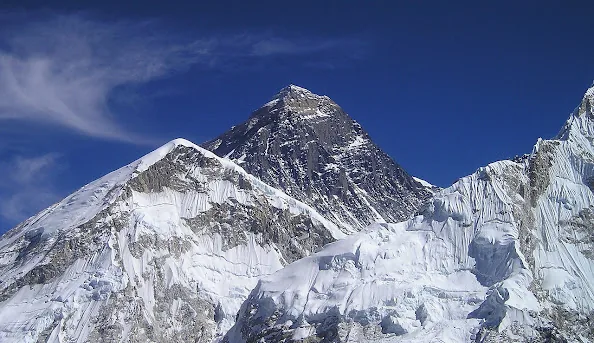
Nepal stands out because it combines:
- 8 of the world’s 14 peaks above 8,000 metres
- Exceptional access to high-altitude landscapes without technical climbing
- Living Hindu and Buddhist traditions intertwined with geography
- Centuries-old trails are still used for trade, pilgrimage, and seasonal migration
In Nepal, the mountains are not a backdrop. They are active participants in life.
Understanding Nepal Through Its Mountain Regions
The Khumbu (Everest) Region
The most famous thing about the Khumbu is Sagarmatha, which is famous as Mount Everest. However, this region offers much more than just high mountains. The Khumbu is the spiritual home of the Sherpa people, and it has been heavily influenced by Tibetan Buddhism. Monasteries such as Tengboche serve as spiritual centers for many of the communities in the Khumbu Valley, as well as providing helping hands to locals. The high altitude of the Khumbu, the strong faith of its residents, and the power of the Sherpa people, in combination, create a unique harmony for exploration.
Annapurna Region – Nepal in One Frame
Annapurna showcases the vast geographical and cultural diversity of Nepal. The trail system leading through the Annapurna area connects multiple different ecosystems: lush tropical forests, alpine grasslands, and dry desert valleys.
It is a prime opportunity for individuals to see how geography has helped to shape climate, culture, and livelihood.
Langtang – Culture, Recovery, and Resilience
Langtang is a district known for maintaining a strong cultural identity, due to its close proximity to Kathmandu, as well as for its remarkable recovery story in response to the earthquake of 2015.
Langtang has some of the least crowded trails in Nepal, which provide an opportunity for reflection and for experiencing the local culture.

Beyond hiking: Other Ways to Experience Nepal
Mountaineering & Peak Climbing
Nepal is also known as a center for Himalayan mountaineering/expeditions, from beginner peaks to major expeditions.
Cultural Travel & Pilgrimage
The majority of hiking routes also run along ancient pilgrimage routes where spiritual practice and travel coexist.
Nature, Wildlife & Conservation
From the highest peaks down through dense rainforests, Nepal has an impressive range of elevations supporting a vast number of plant and animal species. In Nepal, these species have been identified and protected from extinction in national parks and conservation areas.
Safety, Altitude & Responsible Travel
In Nepal, preparation for the climb or trek is far more important than the level of ambition one may have. To maintain responsible tourism in Nepal, it is required that you:
- Understand the risks of altitude acclimatization,
- Respect the traditions and culture of the local people,
- Support local communities by utilising local infrastructure.
Types of Treks in Nepal
Tea House Treks
Nepal has a wide variety of treks to enjoy the beautiful country from its many hiking areas and its many cultures. These types of treks are either teahouse treks, which consist of stopping along the way at village-based lodges with fixed meals and accommodation, and no tents or cooking logistics are needed. Teahouse treks are the backbone of Nepal's hiking culture, making Nepal one of the safest and most accessible high-altitude hiking destinations in the world.
Long-Distance & Circuit Treks
Long-distance circuit treks, which go through several valleys in the Himalayas, with the most challenging hiking over 12-20 days. Long-distance circuit treks reward the trekker with an intimate experience by being patient and acclimatizing to the altitude. For example, the Annapurna Circuit, Manaslu Circuit, and Kanchenjunga Trek are just a few examples of long-distance circuit treks in Nepal.
Best Time to Visit Nepal
Autumn (Sept-Nov): Best for low visibility and stable weather
Spring (Mar-May): With blooming rhododendrons and longer warm days.
Winter (Dec-Feb): Quiet trails for tourists, but very cold climates
Monsoon Season (Jun-Aug): Beautiful landscapes, but few options to cross over high routes.