Rain Essential For Himalayan Trekking: Complete Monsoon Packing Guide

Rain Essential For Himalayan Trekking: Complete Monsoon Packing Guide :

Introduction: Why Rain Preparation is important in Himalayan Trekking

Trekking in the Himalayan region is always beautiful. But trekking in the monsoon season is different. The trails become fully green and the mountains look very alive. Monsoon treks such as Hampta Pass Trek and Valley of Flowers Trek look very dreamy. At the same time, trekkers have to deal with slippery trails, wet clothes and unpredictable weather. 

In this guide, we will cover rain essentials for Himalayan trekking with simple tips.

What to expect During Monsoon Trekking in the Himalayas

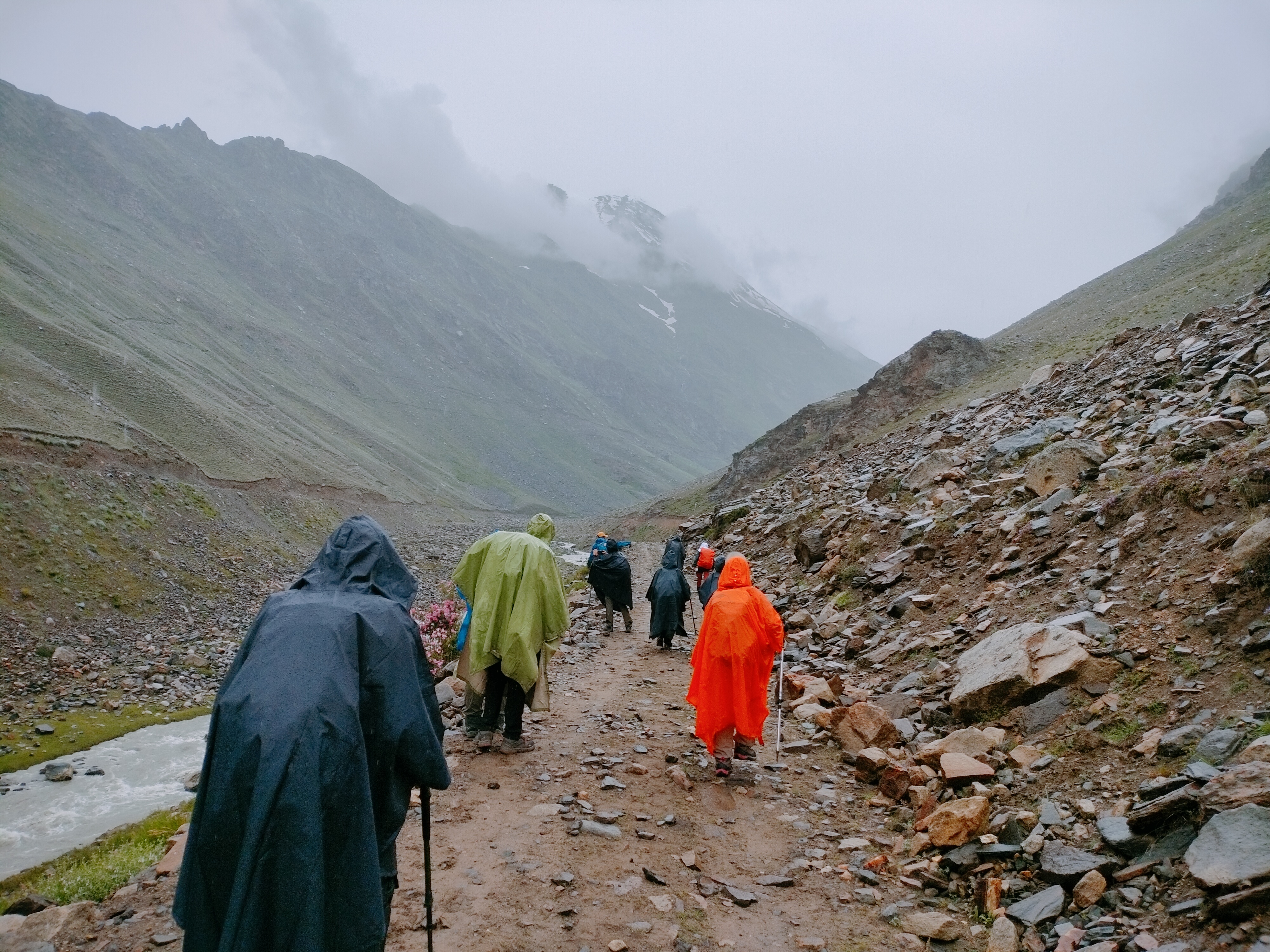
Rain is something that you can expect anytime on a Himalayan trek. Whether you are trekking in peak summer or winter, rainfall is unpredictable in higher altitude regions. But if you are trekking in monsoon then you should expect hours and hours every day. You have to deal with:

  • Unexpected rain showers at any time

  • Wet clothes and gears

  • Cold winds

  • Slippery and muddy trails

  • Low visibility 

  • Leeches in forest area

Rain is very common in Himalayan trekking. You may also face snowfall in early spring and late autumn in high-altitude regions. Carry rain essentials for your every Himalayan trek.

Essential Rain Gear for Himalayan Trekking

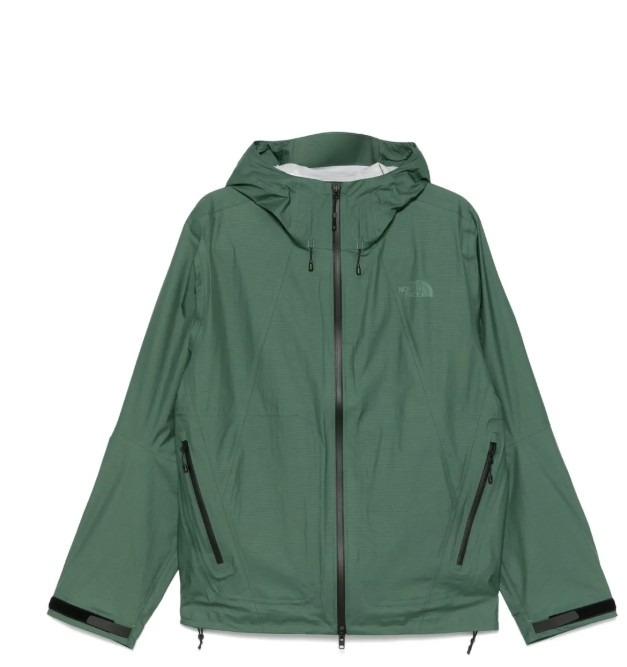
Rain Jacket

A good quality rain jacket is very important in every Himalayan trek. If you are trekking in monsoon then a rain jacket is the most essential gear. It will protect you from rain, snow, and winds. There are also some padded rain jackets that can keep you warm in cold weather. However these jackets are pricey and take more space on your backpack. You should look for features:

  • Lightweight 

  • Easy to carry

  • Hood for head protection

  • Breathable fabric

Do not purchase a cheap plastic raincoat as it traps sweat which can be very uncomfortable.

Rain Poncho

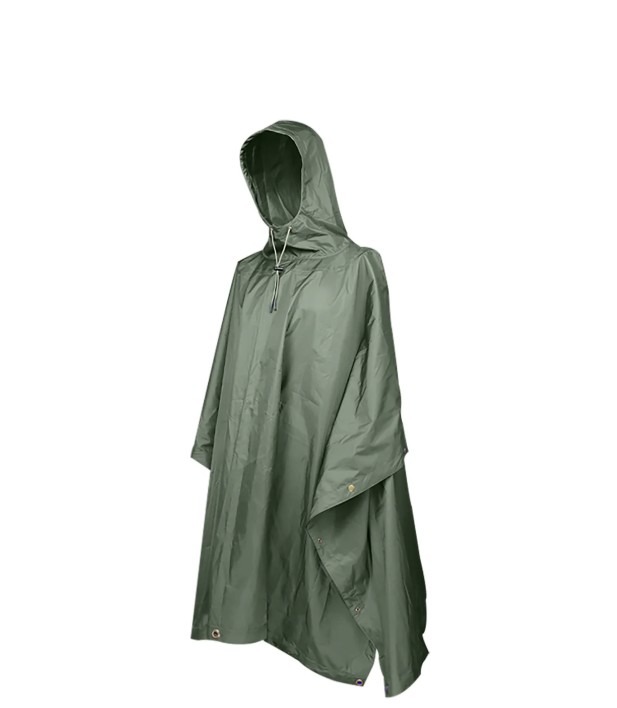
Rain poncho is also a good gear for trekking in rain. It can protect you and your backpack. You can buy poncho for:

  • Full-body coverage

  • Protects your backpack

  • Easy to wear and remove

Some people might feel uncomfortable in poncho while walking as it can restrict hand movements. If you are using a rain jacket then you should also carry a rain cover for a backpack.


Backpack rain cover

Backpack rain cover is very important as you carry all your stuff for the whole trek. Most backpacks come with rain cover. But if your bag doesn’t have one then and purchase it. Check the bag size and purchase a good quality rain cover. 

Don’t fully depend on poncho. Backpack rain cover is necessary because it:

  • Prevents water damage

  • Protects your clothes and other stuff

  • Lightweight

You can also carry a plastic liner inside the bag for more protection.

Waterproof trekking shoes

Always purchase waterproof trekking shoes. Even if you are trekking in summer or autumn, your shoes should be comfortable and waterproof. You should purchase trekking shoes one size bigger. Never pack a pair of brand new trekking shoes. A new pair can cause discomfort and blisters. You can’t borrow other people's shoes on a trek because trekkers barely pack extra pairs. You can’t wear smaller or bigger size shoes. Buy trekking shoes 1-2 months before your trek and wear them often. It will make your feet familiar with the shoes. Choose trekking shoes that:

  • Are comfortable

  • Have good grip and ankle support

  • Water resistant and quick dry

Do not wear sports shoes on a trek. They become very uncomfortable in the rain.

Quick-dry clothes

Cotton is not a good option during monsoon trekking. In summer, cotton feels breathable and light. But cotton can become heavy when it gets wet and takes too long to dry. You should carry:

  • Quick dry t-shirts

  • Synthetic and polyester fibric

  • Lightweight trekking pants

These clothes dry quickly and are comfortable while trekking.

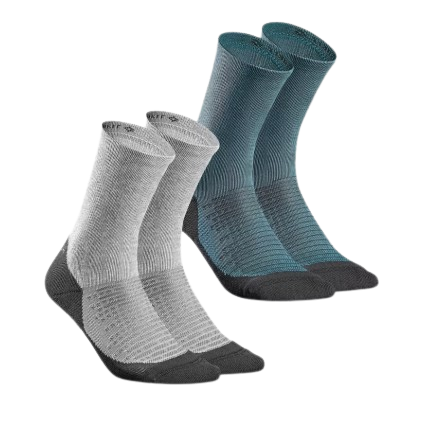
Extra socks

Socks are very basic but essential for trekking. You should always carry some extra pair of socks. Carry some quick-dry pairs of socks for day-time and a few pairs of woolen socks for night. Wet socks can cause discomfort and can ruin your whole trek.You should:

  • Carry 4-5 extra pair of socks

  • Change immediately if wet

  • Keep 2 pairs of socks only for sleeping

Always keep your feet dry on a trek. Dry feet means comfortable trekking.


Waterproof zip-lock pouches

If you are carrying electronics like phones or cameras then you can’t fully rely on rain cover. Your rain cover or poncho are not fully waterproof. Carry waterproof pouch for phone and zip-lock plastic bags for keeping powerbank. Pack your camera gadgets in a dry bag.

Health and Safety Essentials for Trekking in Rain

First-aid kit

Trek operators always carry basic medicines and first-aid items. But you can make a small kit for yourself. Pack items like:

  • Band-aids

  • Pain relief spray

  • Basic medicines

  • Antiseptic cream

Anti-leech protection

Leeches are very common in forests and grassy regions. In monsoon, you may see leeches everywhere. You can:

  • Rub salt 

  • Use leech-spray

  • Wear full-length socks

Trekking pole

A trekking pole is necessary whether it's raining or not. It helps a lot in rough terrain. If the trail is slippery, the trekking pole gives you balance. Your trekking pole reduces the risk of slipping and helps in walking on steep sections. 

Torch or headlamp

Rain can reduce visibility. Always carry a headlamp or torch with an extra pair of batteries. 

Planning a trek in monsoon? What to expect?

Monsoon trekking sounds difficult. But if you are fully prepared for rain then monsoon is a great time to trek because:

  • Fewer crowd

  • Peaceful trails

  • Fully green meadows and lush green forests

  • Fresh waterfalls and streams

Some treks like Kashmir Great Lakes Trek only operate during monsoon. The landscapes on monsoon treks are so beautiful. Meadows are covered with hundreds of different varieties of wildflowers. 

Conclusion

Himalayas Treks feel best when you are fully prepared. Prepare yourself and pack all the essentials. The rain should not cause you any problems on the trek. Pack all rain essentials and make your Himalayan trek safe and comfortable.

Himalaya Shetler also offers customized trekking services. We create tailored itineraries for you as per your requirements. Our staff will take care of you on your whole trekking journey. The trekkers will manage the trek pace according to you. We can customize dates, type of conveyance, accommodations, and meals. 

The Himalaya Shelter team has positively initiated The Great Himalayan Trails, India. The GHT is a long journey in the Himalayas. We start from one end and treks towards the another. These treks are over 100 kilometers long and take a few weeks to months. The Great Himalayan Trails by Himalaya Shelter is a long voyage in the Himalayan region.

About Author

author_image

Manisha Sirari

Manisha is a skilled content writer with over 6 years of experience. She has expertise in creative writing. Manisha is very well known for crafting informative and SEO-friendly articles. She delivers content that informs and inspires. From technology to travel, Manisha blends storytelling with great strategy to connect the readers. When not writing, you can find her on a new Himalayan trek.

Recommended Treks

Recent trek Hampta Pass Trek 2026 Itinerary, Cost, Difficulty & Best Time Guide
Hampta Pass Trek 2026 Itinerary, Cost, Difficulty & Best Time Guide

Cost: ₹19500 | $210

Type: Moderate

Best Time: June to September

Recent trek Valley Of Flowers Trek
Valley Of Flowers Trek

Cost: ₹25500 | $294

Type: Moderate

Best Time: July | August | October

Recent trek Warwan Valley Trek
Warwan Valley Trek

Cost: ₹39000 | $600

Type: Moderate - Difficult

Best Time: July to August

Recent trek Kashmir Great Lakes Trek 2026
Kashmir Great Lakes Trek 2026

Cost: ₹20500 | $228

Type: Easy - Moderate

Best Time: July to September