National animals are not just wildlife selected randomly by a nation; it is a strong representative of culture, history, and national identity. Each country chooses an animal which expresses their values, traditions or even natural heritage. To certain nations, the national animal symbolizes prowess and bravery such as the lion or the tiger. To other people, it can be freedom, beauty or uniqueness like the panda or kangaroo. It is not surprising that these animals appear on flags, emblems, coins, and even sports teams indicating how much they are embedded in the pride and image of a country. They remind the people about their origin and the natural treasures which are part of their land.
Trek Diaries
National Animals Of The World : Symbols of culture and pride
National Animals Of The World
National animals are also used to create awareness on conservation of wildlife and protection of the environment all over the world. When individuals are emotionally attached to an animal that symbolizes their nation, they will be more interested in the survival and habitat of the animal. Snowy mountains, thick forests and deserts all are narratives of the geography and spirit of the country portrayed by a national animal. Hearing about them is like traveling through the world and realizing how nature and culture unite to create national identity. These are not mere wild animals but living images of unity, heritage and pride to millions of people.
National Geographic Animals: Country’s Global Symbols
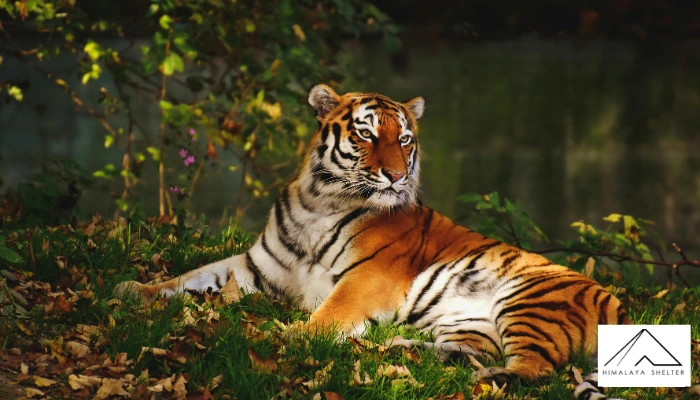
Royal Bengal Tiger - India and Bangladesh
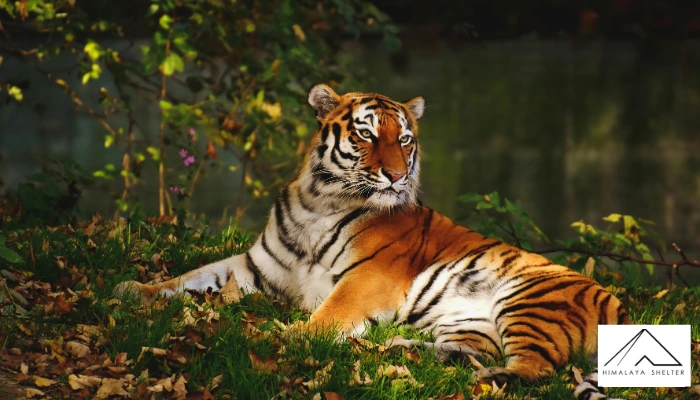
The Royal Bengal Tiger is the national animal of India and Bangladesh. These tigers are one of the most admirable and honored creatures. The Royal Bengal Tigers are probably the most famous national animals of the world. They are beautiful but also known for their strength and silent power in the wild.
The Royal Bengal Tiger is more than just royal significance. This animal has emotional and environmental significance as well. These tigers are mainly found in the Sundarbans mangrove forests. Poaching and disappearance of habitat have been a major problem that has over the years caused serious problems to its population making conservation efforts very much needed. Governments and wildlife organizations are creating awareness to increase the population of these tigers. In Uttarakhand, Jim Corbett National Park has more than 250 Bengal Tigers. Visitors can take a day safari to witness this real and royal beauty.
Giant Panda - China
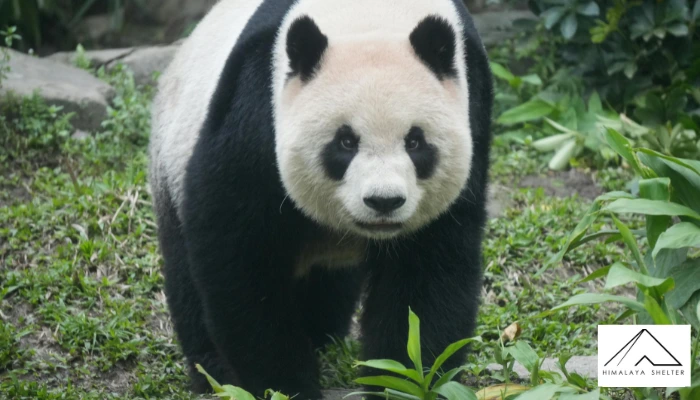
The national animal of China is the giant panda that is adorable and loved by people all over the world. They have black-and-white fur, round faces and a peaceful nature. This national geographic animal is very famous because of its cute look and peaceful nature. The panda symbolizes peace, patience, and balance unlike most other aggressive national animals. Most of its day it eats bamboo, and sleeps in the cool mountain-forests of China, leading a simple and quiet life.
The Giant Panda is also a strong symbol of conservation and preservation of wildlife and nature. Pandas were facing the threat of extinction.The Chinese government is actively working to increase population. You may be surprised by the fact that the Chinese government owns every Giant Panda on earth. The panda became a global icon of hope and protection of endangered species with the help of nature reserves, breeding programs, and global awareness campaigns. The panda is not merely cute to most people, he is a symbol of goodness, tranquility and the concept of harmony between man and nature. It leaves a smile on everyone’s face, which makes it not only a national treasure of China but an iconic object of wildlife in the world.
Red Kangaroo -Australia
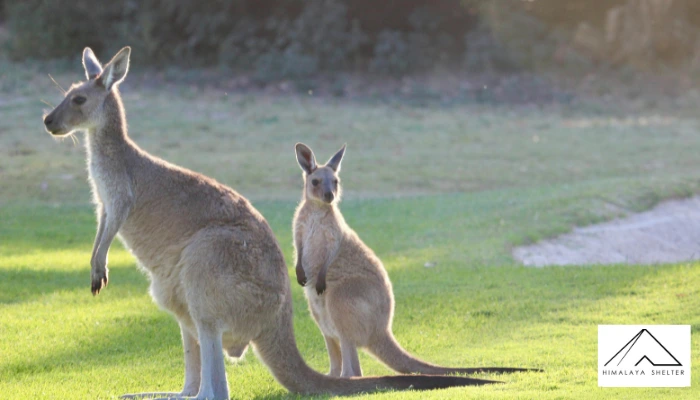
The national animal of Australia is the Red Kangaroo which is among the most exclusive species on the Earth. The kangaroo is known to have strong hind legs, large tail and powerful jumps which can be easily interpreted as the symbol of progress and forward movement since it hardly moves backwards. It is found usually on the open deserts and grassland of Australia, which is well adapted to live in the hot and dry environment. The kangaroo even appears on the Australian coat of arms, currency and sports insignia and is a testimony to the significance that the creature has to national identity and pride.
The Red Kangaroo is not only a wild animal but also an indicator of the spirit of adventure and bond with nature in Australia. Australia is a destination that is being visited by tourists all over the world in the hope of viewing the kangaroos in their natural habitat. They are social beings that move in groups known as mobs and they are also known to carry their babies in pouches which contributes to their peculiarity.
Lion- United Kingdom, Kenya, Singapore
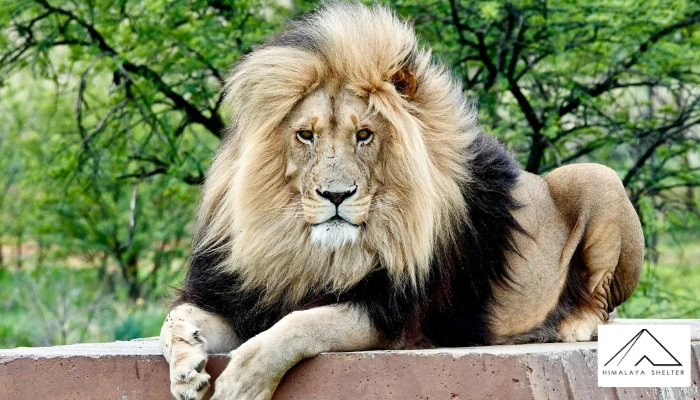
The Lion is a national icon of such countries as the United Kingdom, Kenya, and Singapore that symbolizes courage, power, and leadership. Although lions are not native to the UK and Singapore today, they have been used in the history of two countries as royal symbols, emblems and national crests. However, in Kenya, lions are included in the natural wildlife and are available in national parks and savannas. The powerful figure, the loud roar and the fearless character of the lion have enabled it to be used everywhere as a symbol of power and dignity.
To such countries, the lion is a symbol of bravery and solidarity. It reminds people of leadership, protection, and fearless spirit that countries would like people to see in the world arena.
Elephant - Thailand and Laos
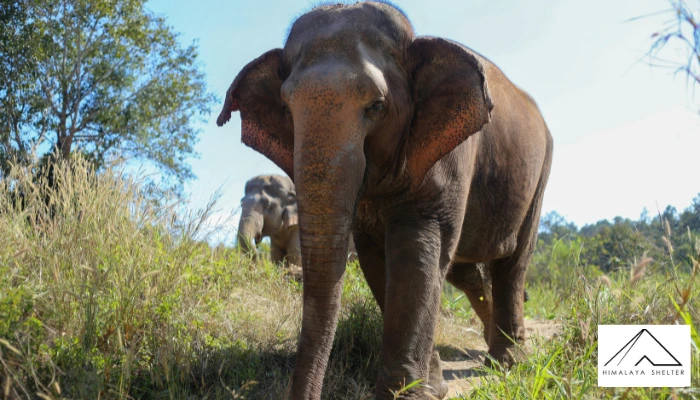
The elephant is the national animal of Thailand and Laos and has a very special place in everyone’s heart. Elephants have enormous size, docile manners, and good memory. They are regarded as the symbols of wisdom, power, and fortune in both countries. Respect and significance of these animals were demonstrated in the country of Laos, formerly referred to as the Land of a Million Elephants.
Elephants are not only the symbols of other cultures, they are also the symbol of the strong connection between nature and humans. They are very admirable animals but often face issues like poaching. Thailand and Laos are currently paying more attention to the protection of wildlife and ethical tourism. To the citizens of these countries, the elephants are not just national animals but a living part of history, tradition and national pride that should not be forgotten by anyone.
Eurasian Brown Bear- Russia and Finland
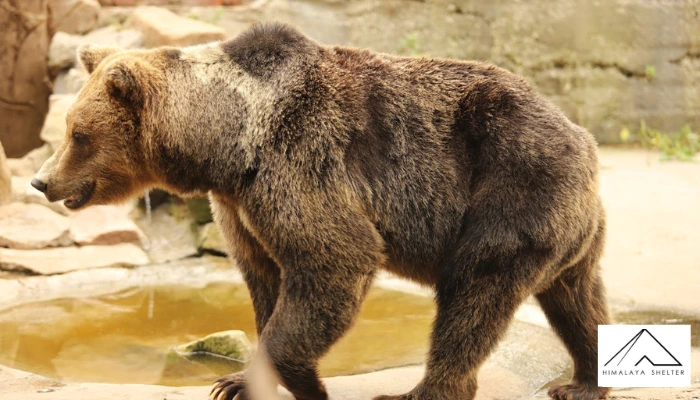
The National animal of Russia and Finland is the Eurasian Brown Bear, which embodies power, stamina and wilderness. These are large animals and can easily adapt to extreme climatic conditions. The Eurasian Brown bear is the representative of power and stamina to Russia. Finlanders consider the bears to be respectful and holy figures. Its powerful existence has linked together the two countries to their natural rich landscapes.
Russia and Finland treasure the bear because of the wild beauty and their forests. The conservation attempts are significant to make sure that this great animal remains prosperous. To most individuals, the brown bear is not only a symbol of physical prowess, but it is also a symbol of stamina, respect to nature and culture.
Wolf - Turkey and Italy
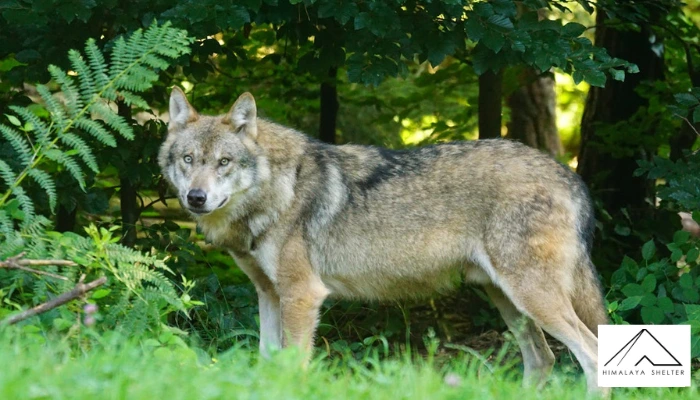
Turkey and Italy have significant national symbols that are the Wolfs, which symbolize bravery, faithfulness and autonomy. The wolf in Turkey has a strong relation with ancient legends and national identity, where the folklore tends to take the wolf as a guide and safeguard. In Italy the wolf has been associated with the well known myth of the twins Romulus and Remus who were the founders of Rome and who were raised by a she-wolf. These historical tales accord the wolf a certain emotional and cultural worth.
Wolves are also metaphors of the beauty and mystery of nature. They normally inhabit forests and mountainous areas and they do not have interaction with human beings because they bring about a balance in nature by regulating the prey population. Habitat destruction and hunting have decreased their population over the years but conservation programs are restoring their population.
Komodo Dragon - Indonesia
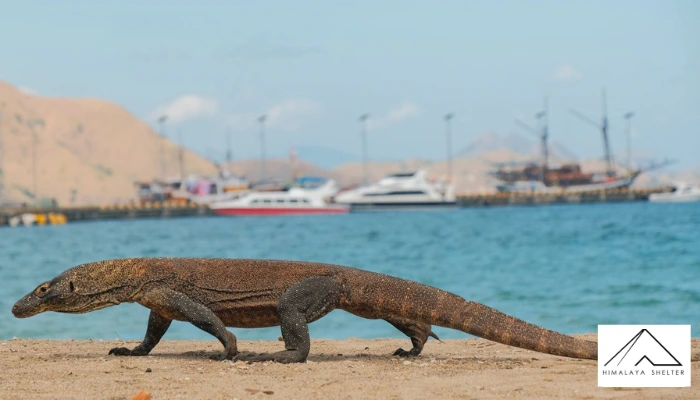
The Komodo Dragon is a national animal of Indonesia and one of the most unique reptiles in the world. This national geographic animal is the largest known living lizard and may reach several meters in length. The Komodo dragons are located on a few islands in Indonesia, particularly in the Komodo Island which today is a national park. Due to its infrequent and pre-historic look, the Komodo dragon signifies something unique, powerful and something that is marvelous to Indonesia.
This incredible animal also has a way of presenting Indonesia as the Komodo dragon is not just a reptile to the Indonesians, it is a national pride and an amazing natural heritage of the country. It is a global tourist destination that reminds the whole world about the beautiful and wild Indonesia and the responsibility to preserve rare species.
Beaver - Canada
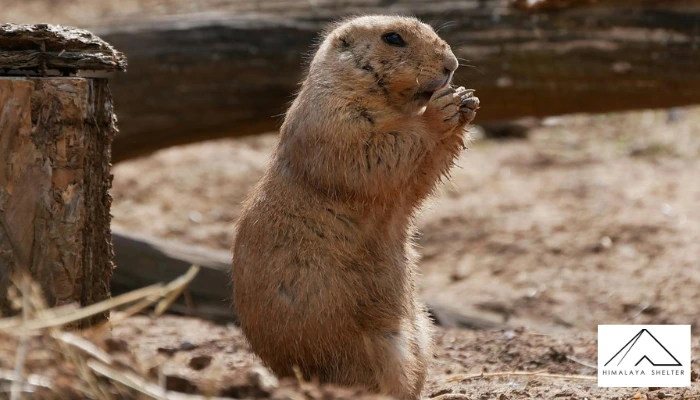
Beaver is the national animal of Canada that represents hard work, determination, and teamwork as its national animal. This is a small yet talented animal that is known to construct dams and lodges with wood, mud and stones which is an amazing feat of engineering. Beavers are usually found in rivers, lakes, and forests in Canada and they have a significant influence on the formation of natural waterways. Due to their hardworking character, Canadians tend to interpret the beaver as the embodiment of perseverance and the sense of community. It is also present even on Canadian coins, stamps and official emblems which testifies to its strong attachment to the identity of the country.
Unicorn - Scotland
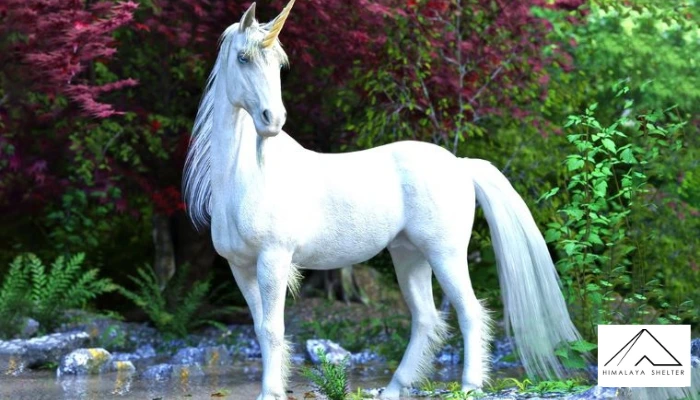
Even though the Unicorn is a mythological animal, it is the national animal of Scotland. The unicorn in Scottish history and legends symbolizes purity, strength and freedom. It is a royal symbol and has appeared on Scotland's coat of arms, ancient buildings and governmental symbols over the centuries. The unicorn is commonly depicted as having a golden chain on them, which suggests the concept that such a strong and wild animal can never be kept in line by anything but wisdom and kindness.
The unicorn is a magic and proud symbol to the people of Scotland who associate themselves with the rich traditions and the culture of storytelling. It portrays fantasy, courage and self-sufficiency - the things Scotland holds dear to its heart. Although this is not a real life creature, the unicorn is still a source of art, literature and national identity. It makes people remember that symbols need not necessarily be real animals to be powerful; myths and legends can also be the soul of a nation.
The close association between nature and culture is exhibited in the existence of national animals across the globe. Each nation selects an animal that defines its history, values, or the environment. There are strong and powerful national animals such as the tiger, lion or bear and there are the weak and unique national animals such as the panda, kangaroo or beaver. These are the animals that can be found on flags, coins, symbols, and legends and become a source of national pride. They make the people feel part of their land and remind them of the wildlife which make their country unique.
Simultaneously, national animals also promote the idea of preservation of nature and treatment of wildlife. Most of these animals are under threat such as the loss of habitat and climate change and hence they are used to being conserved and held accountable. Even the most common animals such as the elephant and the wolf, as well as the unicorn of the Highlands which is a myth, each symbol has a significant amount of meaning and emotion attached to it. They all demonstrate the variety of our world and the way various cultures use animals as symbols of pride, heritage, and unity.
Book your dream Day One Trekking and Hiking in India with Himalayan Shelter Now!!
Call at: +91 9458386006
Mail Us: info@himalayashelter.com
Also Read: Himalayan Animals and Wildlife