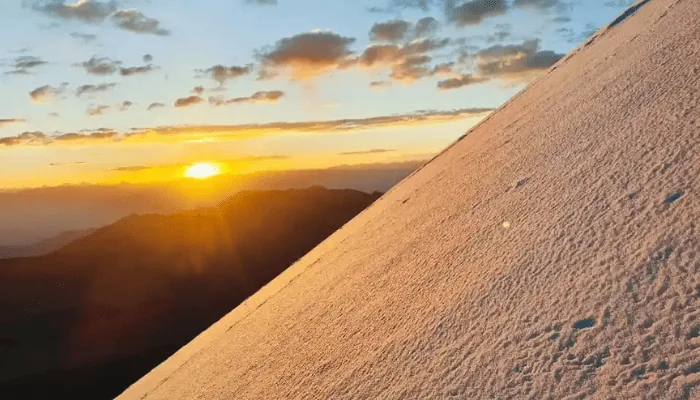
The Kang Yatse II Trek Expedition is rated as difficult to challenging level. Although there are no higher skill levels required to complete the trek than there were for Kang Yatse I, the requirements may be just as high since the trek necessitates a great deal of physical fitness, a good level of experience at high elevation, and a large amount of mental endurance.
The difficult aspects of this trek are due in large part to:
- Very high altitude.
- Very long summit day.
- Extremely poor and unpredictable weather.
- Very little oxygen at such high elevations, which increases the chance of being affected by acute mountain sickness (AMS).
While a majority of the actual route consists of non-technical climbing, simply because of its high elevation, the Kang Yatse II Trek will be considered an expedition and should not be viewed as a standard trekking route.
Key Factors That Make Kang Yatse II Difficult
Exposure at High Altitude
Altitude is the main factor that determines how difficult it will be to do the Kang Yatse II trek. The top of Kang Yatse II is 6,250 m. When you are at 6,250m, there is a lot less oxygen than at lower altitudes. Thus, even well-acclimatised trekkers will be short of breath and fatigued at altitudes above 5,500 m.
Long And Overwhelming Summit Day
Summit day for Kang Yatse II lasts between 10 and 14 hours and starts between midnight and 01:30 am. Walking in heavy boots on snow and scree within an environment of limited oxygen creates a mentally and physically strenuous day.
Extremely Cold Weather
On summit night, temperatures may drop into the range of -15 to -20 degrees Celsius. Cold winds and the risk of frostbite and exposure all increase the challenge on summit night; additionally, significant weather pattern changes can occur extremely quickly.
Basic Mountaineering Skills Required
Although there is minimal technical difficulty in doing the trek, all trekkers will need to possess at least basic mountaineering skills to complete this trek, specifically including the following skills:
- Walking in crampons
- How to use an ice axe to maintain balance
- Basic rope safety competencies (if applicable).
The experience required by trekkers to complete the Kang Yatse II expedition will be more demanding than at many other treks in the Himalayas.
Remote Location
The Kang Yatse II expedition takes place in the remote Markha Valley. Medical assistance, evacuation services, and rescue efforts will take time to arrive; therefore, self-reliance and thorough pre-trek planning are extremely important for the trekker.
Is Kang Yatse II Suitable for Beginners?
The Kang Yatse II expedition is not for beginners and first-timers, but it is an excellent choice for trekkers who are
- Familiar with high-altitude trekking (4000-5000m)
- Understand the effects of altitude on their body
- Have mentally prepared for long hours on summit days
If you are unfamiliar with high-altitude trekking, then the recommended alternative treks to Kang Yatse II expedition that you should first attempt before attempting the Kang Yatse II expedition would be Bali Pass Trek, Rupin Pass Trek, Kashmir Great Lakes Trek, Pin Parvati Pass Trek, Miyar Valley Trek, Kanamo Peak Trek, and other experiences of advanced Himalayan treks beforehand.
Preparation Required to Reduce Difficulty
Fitness Requirements
You should be capable of:
- Completing a 5-kilometre run in a maximum of 30 minutes
- Carrying a full backpack for extended periods of time
- Maintaining endurance-focused training for longer periods of time
- Having adequate cardiovascular, leg, and core strength training, respectively
High-Altitude Experience
Having previous experiences above the 5,000-meter limit will help to decrease risk levels and make your trip much more comfortable, as your body acclimatises better for your adaptation to the altitude change and your ability to handle altitude sickness.
Mental Strength
Summit day fatigue, cold temperatures, and a slow rate of travel can mentally drain you on a summit attempt; therefore, developing mental strength and discipline is an important component of successful summit attempts.
Proper Acclimatization
A properly planned itinerary with resting days, acclimatisation hikes, and buffer days will allow for adequate preparation for the degree of difficulty of the Kang Yatse II expedition in a safe and enjoyable way.
Best Time to Attempt Kang Yatse II
The best time to do a Kang Yatse II trek expedition is July through September.
- During this season, the snow will be stable.
- Your overall experience with the weather should be fairly predictable.
- Markha Valley access routes should all be accessible.
If you try to do the trek too early or too late, you are putting yourself in danger due to severe cold, unstable weather and snow.
The Kang Yatse II Trek Expedition represents a challenging high-altitude experience that sits between advanced trekking and novice mountaineering. It will not require advanced technical climbing; however, the difficulty of the Kang Yatse II trek should not be underestimated because of factors such as altitude, cold, and the long hours needed for summiting.
Trekkers with strong fitness levels, previous high-altitude experience, and basic knowledge regarding expeditions, mountain sickness, and the Himalayas, under proper guidance, acclimatisation, and discipline, the summit will be challenging but achievable.