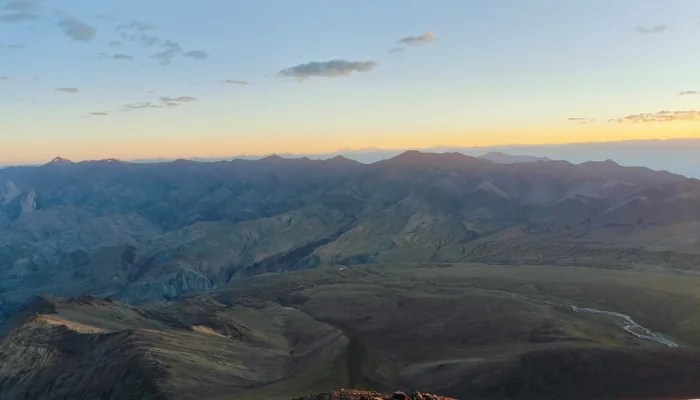
GHT Ladakh Trek
6 Lakh+
Satisfied Trekkers
16+
Years of Experiance
1300+
Google Reviews
800+
Tripadvisor Reviews
Duration
28 Days
Difficulty
Difficult
Max Altitude
5000 Meters
Region
Ladakh
Pickup
Leh
Best Season
June to September
Quick Information
Trek Duration
28 Days
Trek Difficulty
Difficult
Trek Group Size
2 - 5 max
Trek Distance
110
Trek Max Altitude
5000 Meters
Trek Region
Ladakh
Trek Pickup
Leh
Best Season
June to September
Best Time
June, September
Trek Basecamp
Leh
GST Fee
5%
GHT Ladakh Trek: A Grand Trans-Himalayan Traverse Across Zanskar & Changthang
The GHT in Ladakh represents one of the most remote, yet one of the most accessible, sections along the GHT. It provides a unique opportunity to walk through the central region of the trans-Himalayan landscape of Ladakh.
Located between the Tibetan Plateau to the east, the Kashmir Valley to the west, and the Karakoram Range to the north, Ladakh is characterised by dry, towering mountains, ancient monasteries, and vast, cold deserts. Due to the extreme altitudes and arid climate, the landscape is dramatically different from the green mountains of the Himalayas, making it a truly expedition-style adventure.
The trek itself commences at Padum, Zanskar Valley's administrative centre, which is located on the banks of the Tsarap River. The trek follows a series of ancient trade routes and river gorges through this remote and very isolated portion of the Indian Himalayas.
As you travel further into this remote area, you will come across many villages, high mountain passes, and narrow valleys carved out by glacial rivers. Therefore, on the GHT Ladakh Trek, you will witness first-hand the traditional ways of life of the Ladakhis.
The GHT Ladakh is an incredible journey, steeped in culture and tradition, and offers great diversity in terms of both experience and scenery. As trekkers pass through this area, they will experience everything from the spiritual heritage of a Buddhist monastery (Phugtal), which has been built into a cliff face, to the unHampta Pass is an excellent choice if you are trekking in the Himalayas for the first time, are looking for a snow trekking experience close to Manali, or want to enjoy the stunning views along the way. unique nomadic culture of the Tibetan Plateau and the vast expanses of the Changthang region.
Although the change in altitude can be significant, these changes are all part of the experience of the trek, which concludes in the village of Korzok, close to the stunning Tso Moriri Lake. The GHT Ladakh is also extremely remote.
Most trekkers will spend many days hiking (on the GHT Ladakh route) with little to no contact with other people, other than their guides, which makes this trek particularly suitable for those looking for a truly adventurous and physically challenging experience.
The journey is not just one of crossing mountains but of crossing cultures, landscapes, and some of the most pristine and untouched areas of the Indian Himalayas.
Major Attractions of the GHT Ladakh Trek
Ladakh's trans-Himalayan landscapes
The trek travels through the desert-type terrain and dry mountainous area that is found in Ladakh; both of these elements combine to make the Himalayan region feel unique and dramatic due to the extreme altitude and lack of plant life.
Valley of Zanskar and Tsarap River
The trek leaves Padum, following a large gorge of the Tsarap River that runs through many isolated valleys with many gorgeous views of huge cliff faces and glacial river systems along the way.
Phugtal Monastery Trek
One of the most amazing parts of this trek, Phugtal Monastery is a monastery built into the side of a mountain along a steep cliff face and is accessible only by foot, thus providing a beautiful mix of trekking and cultural discovery.
High-Altitude Passes and Isolated Plateaus
The trek travels through many high-altitude mountain passes and runs over large areas of very high-altitude plateaus, which allows for panoramic views and creates a feeling of being completely isolated.
Morey Plain of Changthang
The way into the Morey Plain of Changthang provides trekkers with large, wide open spaces, small nomadic people's homes, and the fantastic beauty of this region.
Ending at Korzok and Tso Moriri
The trek ends at Korzok village close to Tso Moriri Lake, which is one of the most magnificent and beautiful high-altitude lakes in Ladakh and is an excellent, peaceful way to complete your crossing of the mighty Himalaya!
The GHT Ladakh Trek is ideal for seasoned trekkers and expedition enthusiasts who are looking to experience the rawest form of Himalayan trekking, combining extreme landscapes, ancient culture, and true wilderness in one of the most remote regions of India.
More Information
GHT Ladakh Trek Itinerary
Inclusions & Exclusions
Our treks are specially designed by the experienced team at Himalaya Shelter, taking you on an adventure of a lifetime all while making you connect not only with the bountiful nature but also with yourself and with others on the trek with you creating wonderful memories which will last you a lifetime. All Himalaya Shelter treks are guided by experienced Trekkers having vast knowledge and experience of the region, providing with insightful information and stories pertaining to the region’s flora and fauna and the history of the region whilst the trek. It is safe to say that on successfully completing the trek, one will gain tremendous insight and experience along with lifetime memories.
Inclusion
- Accommodation – At Base Camp, stay at a local homestay or guest house for one night each, which will give you an insight into the authentic lifestyle of the locals.( INR 5000 per person extra for single sharing throughout the trek )
On Trek stay in a 2-person Vango Halo Pro/A-Shape tent, which is to be shared by two trekkers, built to withstand extreme weather conditions and at the same time making you comfortable after a hard day’s trek. - Camping Equipment – specially designed sleeping bags that can withstand harsh weather conditions, foam mattresses. Other safety gear like microspikes, gaiters, an ice axe, and helmets will be provided.
- Medical Kit – our team will be equipped with an extensive medical kit, which our team is trained and experienced to use. Oxygen cylinders are used after they are thoroughly inspected throughout the Trek. Even campsites have large oxygen cylinders as backups.
Permission - Forest entry charges for Indian nationals (Additional charges will be applicable for international tourists) - Meals – Breakfast, packed lunch (on trek days), evening snacks, and dinner will be served. A hearty, delicious, and nutrition-filled Veg meals with egg preparation will be provided throughout the trek. (Jain and Vegan Food can also be arranged on prior notification.)There will be a dedicated Kitchen Tent along with a dining tent, which will have a dining table too.
- Our Team – A highly experienced and AMC-certified Trek Leader who will help ensure that the entire trek goes smoothly and safely while navigating the challenging conditions during the trek, and is skilled enough to navigate any medical emergency that can arise during the trek. Local and route Guides who are well-versed with the region and provide an in-depth insight into the local customs and knowledge of the flora and fauna endemic to the region. A dedicated Kitchen staff, which includes a Cook, a helper, and other support staff. There will also be porters and mules to carry common equipment.
- Cloakroom - We have a cloakroom facility available for extra luggage. Every trekker is permitted to leave their luggage behind at no charge.
Exclusion
- Personal expenses like tips, personal medicines, phone calls, etc.
- Travel Expenses - Travel expenses from your hometown to the mentioned Pick-Up Point are not included in the trek fee.
From the scheduled pick-up spot to the base camp, we have our own fleet of vehicles like Bolero, Innova, Dezire, or Tempo Traveler (12-seater). This is be shared by trekkers for a pre-decided amount. All vehicles are non-AC. - Personal Equipment - Any personal gear like jackets, shoes, cutlery, or backpacks are not included in the trek fee. We recommend renting them from our Rental Store for an affordable fee. This can be pre-arranged to avoid last-minute hang-ups.
- Offloading - We encourage carrying your backpack to get into the true spirit of trekking. However, if needed, you can opt to offload your personal luggage of up to 12 kgs for an additional cost of INR 600 per bag per day.
- Trek Insurance - A mandatory trek insurance fee is charged in addition to your trek fee. Since most medical insurance doesn’t cover adventure activities, trek insurance offers essential coverage, enhancing your safety without a significant financial burden.
- Buffer day on the trek - We have kept a buffer day on the trek to account for any weather-related delay. If this is utilized, you will need to pay an extra amount to your trek leader.
- Anything apart from inclusions
- Please carry a lunch box for a packed lunch/breakfast to avoid using polythene and Aluminium foil.
Keeping the Himalayas clean is our own responsibility. Reduce the use of Plastic when you are in the abode of the Sacred Himalaya.
Videos
!
Exceting Videos coming Soon
We’re currently working on putting together all the details for this trek 🎥 Stay tuned, exciting videos covering everything you need to know will be coming your way very soon!
More treks like GHT Ladakh Trek
Customer Reviews

Munna Agarwal
5.0
Four of us from the US—all in our 60s and late 60s—took a tailor-made trip organized by Saloni Rathore at Himalaya Shelter, primarily to trek to the Valley of Flowers. We also included short visits to Badrinath and Mana Village, and our guide was Laxmi Jha. I am writing this review on behalf of our entire group. From the very start of planning, our itinerary kept changing, but Saloni showed so much patience and happily kept working with me. In fact, I felt embarrassed to ask for changes so often. However, she never exhibited even the slightest degree of frustration. I truly admire her and am so grateful for her help. As for our guide, Laxmi—what can I say? She is phenomenal! She is a deeply caring person who took every measure to ensure our safety and well-being at each step of the trip. On top of that, during our informal conversations, we learned that she holds numerous accolades in mountaineering, which left us completely astonished. Not to mention, our driver was also wonderfully kind and helpful throughout the whole journey. Overall, I rate this trip with Saloni and Laxmi 5 stars (10/10)! Plan to take many more with Himalaya Shelter.


Olivier Gachelin
5.0
Nous avons fait le trek du Pin Parvati pass avec Himalaya Shelter. Ça a été une grande expérience qui va nous laisser des souvenirs mémorables. L'organisation a été parfaite, toute l'équipe a été extrêmement avenante. Tout a été mis en œuvre pour que nous randonnions en sécurité sur ce trek parfois difficile. Merci Himalaya Shelter. Je recommande !

Rachana Saggar
5.0
A heartfelt thank you to Himalaya Shelter for making my very first trek such a memorable experience! From the very beginning, the entire trip was exceptionally well planned and organized. Every detail was taken care of, making the journey smooth and enjoyable. A special thanks to Bhagwaan Bhaiya, our driver, for ensuring a safe and comfortable journey throughout in a well-maintained vehicle. His calm and careful driving gave us complete peace of mind. And a huge shout-out to our trek leader, Manav—the real GOAT! He was always there whenever we needed help or encouragement. During the challenging Hemkund Sahib trek, he constantly motivated and supported me, especially when I doubted myself. Thanks to his encouragement, I was able to complete the trek on my own, and I’ll always be grateful for that. If you’re looking for a professional, well-organized, and supportive trekking experience, I highly recommend Himalaya Shelter. Looking forward to many more adventures with your team!

Shreyas Pawar
5.0
The Pin Bhabha Pass Trek in July 2025 was a Beautiful Experience. It was very well organised by the team and the trek leaders Adarsh, Tripan, Jassu and the Kitchen team who made the yummiest food for us in these temperatures. Starting from the base camp, the Stay at the base camp Kafnu was warm and comforting with amazing view of the river. As we started the trek day with tasty breakfast, the weather got better and we completed the day 1 at Mulling. All the Campsites were beautiful, especially the one at Phutsirang. The trek leaders were very supportive on the Summit day when the trekkers needed it the most. We safely summited the Pass and entered into the beautiful Spiti valley with vast landscape and later visited the serene Chandratal lake. All thanks to the team at Himalaya Shelter. Cheers!

Sreehari Narikkattiri
5.0
What a surreal experience it was! The Pin Bhaba Pass trek! Never before kind of an experience for me. I’m happy that I did it with the best team who lead the trek, The Himalaya Shelter. Bachan Rana and team was so good. Took care of us well! Definitely doing more with them! ❤️🤗

Tamoghna Das
5.0
Brilliant. Miyar valley was simply awesome and the overall experience was superb 👌🏻 !

Kirti Subhedar
5.0
I recently completed the Valley of Flowers and Hemkund Sahib trek with Himalaya Shelter, and it was truly an amazing experience. Every aspect of the trek was exceptionally well organized—from the accommodation and food to the transportation. Our journey to Govindghat was in a well-maintained Innova, which made the long and challenging drive very comfortable. Our trek leader, Manav, was incredibly supportive throughout the trip. He made sure we took adequate breaks, stayed motivated, and never felt overwhelmed during the otherwise tiring journey. Both of our accommodations in Joshimath and the campsite at Ghangharia were wonderful, offering breathtaking views of the majestic mountains. The staff at both locations were warm, courteous, and always willing to go above and beyond to make our stay comfortable. Having access to hot water and such delicious food in these remote locations felt like a luxury, so a huge appreciation to the entire team for their efforts. Last but certainly not least, a big thank you to Manav for his constant encouragement, dedication, and leadership, which made the trek smooth and enjoyable from start to finish. I would highly recommend Himalaya Shelter to anyone planning a trek. Their excellent service, attention to detail, and genuine hospitality made this an unforgettable experience.

Atharva Ashtekar
5.0
It was so nice experience with Himalayan shelters . The staff was also vey good all the arrangements were done in well mannered.


Ranjana Singh
5.0
Tungnaath , chandrashila and Deoriataal was a good experience .Thanks to Rana and Tanisha for taking good care of us .Looking forward for new adventures with you guys in future .😊🙏

Krishnan Subrahmanyam
5.0
I completed the Gaumukh Tapovan trek solo in May 2026 with Himalayan Shelter, and I cannot recommend Bachan Rana and Bijay highly enough — they were exceptional on every level that matters for a trek of this seriousness. Somewhere on the ascent, when I was clearly struggling, Bachan Rana said to me with a quiet smile: “If you are not running out of breath and getting tired and feeling cold…then you are not in Himalayas.” That line reframed everything. It didn’t minimise the difficulty — it contextualised it. That is the kind of guiding these two bring: grounded, experienced, and deeply at home in the mountains. I came in with two physical constraints: lower back pain and a diabetic-friendly diet. Both were handled with zero fuss. Bachan and Bijay adjusted our pace and added breaks proactively — never waiting for me to ask — and gave hands-on support on steep sections when my back was under strain. They kept my spirits up through the tough stretches with steady encouragement, not hollow cheerleading. On the nutrition side, they paid close attention to what I could and couldn’t eat at altitude, which made a real difference in how I felt across the days. The glacier crossing to Tapovan was the defining test of the trek. This is not a section where you want to figure things out as you go. Bachan and Bijay chose the safest route and timed the crossing well, coached my footing step by step on the ice, and stayed calm throughout in a way that kept my own confidence steady. I felt I was in genuinely expert hands, not just accompanied. Their local knowledge and storytelling added real texture to the landscape and the spiritual significance of the route. For a solo trekker at a place like Gaumukh — where there is no mobile connectivity and the terrain demands respect — having guides of this calibre is not optional. It is the difference between a safe, meaningful journey and a risky one. If you are planning Gaumukh Tapovan, ask for Bachan Rana and Bijay. They are the real thing.

Deepika Garg
5.0
We booked binog tibba trek with Himalayan shelter . It was a very smooth process from booking to experiencing the trek . Our trek coordinator mr. Manish was just awesome .

tanush choudhary
5.0
My experience with himalayanshelter was great. We were the first batch of 2026 to complete the Bali Pass trek. Since the rest of the group cancelled due to the weather, there were only two of us, but the team still provided all the facilities as promised. Our trek leaders, Sonu Bhai and Suraj Bhai, were amazing. They guided us throughout the trail and shared a lot of knowledge about the mountains, trails, and wildlife, which made the experience even better. This was my second trek with himalayanshelter, and I’ll definitely be coming back to them for my next adventure.

Rahul jani
5.0
⭐⭐⭐⭐⭐ Just completed the unforgettable Fulara Ridge Trek with Himalaya Shelter, and it was truly one of the best trekking experiences of my life! The entire team of Himalaya Shelter is extremely professional, talented, cooperative, and always ready to help at any moment. Their dedication towards trekkers’ safety, comfort, and happiness is simply outstanding. Even during very heavy rain conditions, the team worked tirelessly and prepared hot, delicious food for all of us with great care and positivity. Their hospitality and commitment were truly heart-touching. A very special appreciation for our trek leader PK Sir — his work was absolutely excellent! He is highly experienced, multi-talented, energetic, motivating, and always supportive throughout the trek. His guidance, leadership, and caring nature made the entire journey safe, enjoyable, and memorable. The whole support staff and guide team deserve huge respect for their hard work and teamwork. Every member of the team was smiling, encouraging, and ready to support us anytime. Thank you, Himalaya Shelter, for giving us such an amazing and lifetime memorable experience at Fulara Ridge. Highly recommended for anyone who loves trekking and adventure! Looking forward to many more adventures with Himalaya Shelter again. ❤️🏔️

Krishnaraj Jhala
5.0
A very personalised service beyond our expectations. Track lead PK, cook Jagdish, Rocky Rana at the base camp and Rinku were always ready to do anything that we wanted.Jagdish is an excellent cook always with a smile on his face. Hope you will keep serving with same passion and personal touch.


Jayant Bahulekar
5.0
We went to Dayarabugyal trek. Arrangement during trek was nice, it was 4 people kind of solo trek arrangement made for us. The Cook Jaggu was amazing, we never felt away from home. Trek guide Tanisha was also helpful. Thanks!

Sunshriya Tomar
5.0
I had a wonderful experience on har ki dun trek , i would highly recommend all my friends to go on a trek with himalaya shelter only The guide we had during the trek was suraj, he is a wonderful, helpful and knowledgeable guide . Also the guy prakhar with the himalaya shelter team was very nice and friendly with us , he made sure that every wonderful moment was captured Also other team members of this company were very cheerful and helpful in nature At last , for me it was a life long remembering moment

Dhruv Rajdev
5.0
One of the best trek of my life The guide was the best (suraj) he made sure everyone’s safety and the food was the best i ever had on trek and the camera guy was so nice (prakhar) he made sure that no moment was missed Thanks you Himalayan shelter and team for making my trip one of the best trip of my life

rahul mishra
5.0
Excellent experience. We did Bali pass trek with them. were first group to summit after heavy snow in which many group returned. They cattered to our small group of 3. Second trek with them. Highly recommend.

Shalin Thacker
5.0
great experience with Himalayan shelters during our recent visit to Bali Pass Trek. Great support from Suraj and Mukesh throughout our journey.

Vaibhav Pareek
5.0
We successfully completed Bali Pass Trek through Himalaya Shelter. A big Thank You to Mukesh and Suraj for ensuring highest levels of safety and comfort throughout the journey. Both of them are certified mountaineers. The fresh food prepared by Bablu Mama felt like a blessing throughout the journey, as we crossed the 16200 feet pass. This trekking organization is meticulously managed and operated by the down to earth entrepreneur Bachan Rana from Osla. The entire team shows great commitment towards the wellbeing of their guests. I strongly recommend Himalaya Shelter for any High Altitude trek or expedition.

Pranav Yaguvakota
5.0
It was an amazing experience, the trek was very well planned, we had an amazing crew to keep watch, of us our guide sonu negi was very experienced on high altitude and technical treks, this being our first high altitude trek it was quite an experience staying in tents which were set up before we got there, really delicious food made by our cook sanjay gave us freshly made hot food. And a helper along with us named vivek who was a local. The trek difficulty was moderate, on the surya top we got an amazing view of the gangotri and yamunotri ranges. The locations of the tents were very strategically well set up by the advice of sonu. He made sure we were all hydrated and well kept , All in all we thank himalayan shelters for making our experience very comfortable.

Anjali Yadav
5.0
I had an amazing experience on the har ki dun trek with himalayashelter. The whole team was very helpful, guides were caring and supportive, good homemade food , warm local hospitality . It was a very homely environment and i loved every bit of it

Ashank Gawade
5.0
Outstanding Customised Surya Top Trek with Himalaya Shelter – Premium Gear, Elite Guides & Exceptional Food! We recently completed the stunning Surya Top Trek organized by Himalaya Shelter, and they completely exceeded my expectations. If anyone wants a tailored and personalised, safe and premium trekking experience to this 12,900-foot peak, this company is as good as it gets. Perfectly Customised Itinerary. From the initial planning stages, the team at Himalaya Shelter was incredibly supportive, adapting the itinerary seamlessly to our group’s specific preferences and pace. They focus on personalized experiences rather than massive, overcrowded commercial batches, allowing us to enjoy the beautiful forests and meadows of the Garhwal region fully. The guide with our team, Sonu Negi, was absolutely phenomenal. He has completed advanced training from the prestigious Himalayan Mountaineering Institute (HMI), and his deep technical knowledge and sharp safety instincts kept us feeling entirely secure. He wasn't just a leader; his encouraging nature, deep familiarity with the terrain, and mountain views (like Mt. Bandarpoonch and the Gangotri range) made the journey unforgettable. Most importantly, he prioritized our safety by proactively carrying portable oxygen and other critical emergency equipment. Since our group of 7 members was ranging from the age of 9 to 73 , this gave our entire group immense peace of mind. The food was an experience in itself. The Backcountry Food by Sanjay our cook, was too good. Massive shoutout to him, who turned our high-altitude campsites into a gourmet kitchen. Every single day, he served up incredibly delicious, fresh, and hot meals that were perfectly planned for the physical demands of a moderate trek. The hygiene standards really good , and having such thoughtful, comforting food waiting for us after a long day of trekking was a total game-changer. Just to show how exceptional the culinary experience was: for fun, Sanjay even prepared fresh puris for Pani Puri right there in the middle of the mountains, and we wrapped up our evenings with warm, delicious Gulab Jamuns as desserts! Treating us to these kinds of treats at high altitude was a level of hospitality we never expected. Talking about the Camping Gear. The quality of the camping equipment provided by Himalaya Shelter is drastically superior to what other mainstream trekking companies offer which I have experienced in my earlier treks. Heavy-duty, clean, double-layered tents that provided excellent insulation and kept us dry against the unpredictable mountain weather. Thick mats and high-quality, cold-rated sleeping bags with fleece inner for the feet that made sleeping in chilly high-altitude conditions genuinely comfortable. Every zipper, tent pole, and piece of technical gear felt in very good condition and maintained very well. Himalaya Shelter perfectly balances top-tier safety, impeccable local hospitality, and premium comfort. I am immensely grateful to Sonu, Sanjay, and the rest of the crew for an unforgettable adventure. I will absolutely be booking my next Himalayan trek with them.

Manish Garg
5.0
27th May 2026.. date saved as Bali Pass Summit with HIMALAYA SHELTER. It was our 04th trek with Himalaya Shelter & as experienced earlier, everything was just superb viz camps, foods, trek management, guide.. SONU (the Trek Leader/Guide), with his experience & acumen, made the trek even more enjoyable & doable. He pushed & motivated us all throughout the trek. Overall an excellent experience with Himalaya Shelter team. Will suggest everyone to go with Himalaya Shelter and see it themselves. All thanks to HIMALAYA SHELTER.

Prasanna Kumar
5.0
We had an Amazing Experience with Himalaya Shelter The Surya Top Trek!! This was our first ever trek to the Himalayas with Himalaya shelter. we recently completed The Surya Top Trek which was a moderate trek and we all managed to finish the trek!! It was truly an unforgettable experience. The trek offered stunning mountain views, peaceful forests, beautiful campsites, and a magical view of the Gangotri And the Yamunotri ranges from the Surya Top. A special thanks to our guide, Sonu Negi, who was experienced, friendly, and extremely supportive throughout the journey. Since this was our first high-altitude trek with 3 nights of wilderness camping, his planning, guidance, and focus on safety made us feel comfortable and confident at every step. Our food was cooked by an marvellous cook Sanju who cooked amazing food throughout our trek and even in our campsites…!! The campsite arrangements, and overall management were excellent. The entire team treated us like family and made the trek even more memorable. Highly recommend Himalaya Shelter for anyone looking for a safe, well-organized, and memorable Himalayan trekking experience!!

Daksh Sundriyal
5.0
For those who want to experience an adventure of a lifetime 💯 recommended. Sonu bhai the coolest guide

Hema Sri
5.0
Bhuran Ghati Trek – Himachal Pradesh Just returned from an amazing trek to Bhuran Ghati with Himalaya Shelter — absolutely loved the experience! Their small group format ensures personal attention to every trekker, making it a safe and comfortable experience for solo travellers and groups alike. Trek lead Bachan Rana was excellent — clear with guidelines and always made sure everyone was safe. Freshly cooked meals on the trail, a luggage offloading option for those who need it, and rental trekking equipment make this one of the most hassle-free treks you can book. Having a female trek lead, Tanisha, is a wonderful touch that makes women and solo female travellers feel much more at ease. Highly recommended for anyone looking for a well-organised, safe, and memorable Himalayan trek! 🏔️

tuhina sen
5.0
Hey we completed B the phulara ridge trek and safely reached Dehradun today. We enjoyed the trek throughout. The trails, the forest, the ridge walk was thrilling. I would like to extend my heartfelt appreciation for the trek guide Sooraj and the support staff, cook for arranging the trek and supporting us throughout . Sooraj was polite and patient always especially with my son who is 8 and was doing his first trek. He kept entertaining us with all information about different flora and fauna while walking through the forest trails. The cook served tasty meals always and we loved eating local vegetables plucked from the forest. Overall we had a wonderful experience. Thank you .

Haritha N R
5.0
The team was soo good. Food and service also absolutely fine. And it's very safe for girls even if they are in a solo trip

ajit yadav
5.0
One of the best and trusted team to go with , Manisha and Tripian ranna have nothing but supportive and kind towards us , they were ready to help us in every moment. It's amazing how this company create environment of fun and adventure. Doing all my treks with them in future.

satish gondhalekar
5.0
Himalayan shelter is a local sankri based Adventure tourism company. They have deep knowledge of region, staff is professional and helping, indeed it was a great trek Thanks All

Shubhadeep Ghosh
5.0
Over the phone call / whatsapp, the plan was very detailed. The Trekking charges were clearly spelt out and it sounded quite reasonable. From Dehradoon Hotel, the pick up was very smooth and right on time. The driver stopped at very convenient places for breakfast/lunch and other breaks. The base camp was in a beautiful location. The food available there was basic and very tasty. The rooms were very cosy and view from the rooms were very good. Our trek guide, Mukesh, met us in the basecamp and briefed about the trek plan. He was very welcoming and helpful. During the entire trek, Mukesh was with us. We had an excellent experience with him. He was very accommodative and helpful. There were few places where I was slipping where he came to help me out promptly. He ensured that we are not stepping in wrong places through out the trek. It was extremely cold and rainy the time we arrived in Osla. He sensed our struggle in acclimatisation with the harsh winter condition. Mukesh was very prompt in giving us the food to the room. In the camp site as well, during the very cold condition, Mukesh delivered snacks/tea/hot water etc to the camp so that we didnt had to come out to face the wrath of cold condition. Overall I and my son, had a very good experience with Himalaya Shelter's Har Ki Dun Trek and with Mukesh especially. I will definately go with them next time for another adventure.

Kritika Patidar
5.0
Thank you Himalaya Shelter for making this one of my best experiences so far. The staff were supportive and very helpful in everything. The stays and food were awesome, we also got to explore a little bit of the local culture. Already looking forward to planning the next trek!

Neha Khare
5.0
We recently completed the Ranthan Kharak Trek with Himalayan Shelter in mid-April 2026, and it was an amazing experience. The trek is बेहद scenic with beautiful meadows and stunning sunrise & sunset views. A big thanks to Bachanji, Tanisha & on-field Team for their constant support and guidance—they made the journey smooth and enjoyable. The warm soups and delicious meals were a big comfort after long trekking days. Truly a lifetime memory. Highly recommend Himalayan Shelter for a well-organized and memorable trek!

Gayatri A
5.0
We recently did Ranthan Kharak trek with Himalayan Shelter, it was a great experience. Mr. Bacchan, Tanisha and their entire team took very good care of us. Accommodations and food was top notch. Mr Bacchan's took appropriate decisions depending on weather conditions which helped us achieve our summit. Thank you Himalayan Shelter team.

Latha Ravichander
5.0
Latha Ravichander Mumbai i have attempted my 1st Himalaya trekking. It was very nice scenic and also is was managed by excellent trek leader, Thoy & Suraj who have helped us in all the scenic places and helped us in the tough climbs. The cook & the Subhashji who take care of the horses and our luggage too for the whole trek were awesome. The early morning lemon tea, breakfast, lunch, evening snacks & dinner was very nice and yummy. One suggestion if their is senior citizen dont keep a tough route or new route in the trek. The Boslo to devsu tht jungle route was very risky & last climb was also tough. Himalaya Shelter hip hip hurray

Ashwini Khodre
5.0
Just finished the Har Ki Dun trek with Himalaya Shelter and it was unreal. Huge thanks to our guide, Surender, who really knows these mountains and kept us motivated the whole way. Also, a massive shoutout to Vijay Singh Chauhan—the food he cooked at those altitudes was easily the highlight of our nights. Best team ever!

shanti dasari
5.0
Himalaya Shelter made my Har Ki Dun trek unforgettable. A huge thanks to the Director, Bacchan Rana, who truly delivered everything he promised during booking. What made it special: Amazing Guides: Big shoutout to trek leaders Suraj and Thoiba. They are experts, super supportive, and kept us motivated. Homely Vibes: The "ghar jaisa" care was real. We felt so well looked after. Food & Stay: The food was delicious and the stay was the best we could ask for. ⭐ 5/5 Stars Bottom line: Trustworthy team and excellent service. Highly recommended!

Shilpa Kishore
5.0
Went with Himalayan Shelter to the Aancha top trek. Amazing hike, beautiful scenery and best of all, a while lot of pure white snow at the peak in the month of April! The HS team was incredible, with Nitin Bhai as the iconic guide and Micheal Bhai and Rocky Bhai being the best cooks and assistants possible. Micheal Bhai made slides on the snow on the way down, making it extremely fun to get down. Recovery from trek everyday was so instant with amazing evening snacks and chai.The team also helped make blazing campfires, making our trip as memorable possible.

Sangeeth Aloysius
5.0
We had a great time with Himalyan Shelter doing Ranthan Kharak trek. We were 10 of us, including 4 kids with youngest one aged 8… This was our third private trek in the Himalayas, and the trek with Mr Bachan and his team was undoubtedly the best. He was really flexible right from planning and ensured that he took the best calls every day to maximise both the experience and convenience. Food was absolutely the best.. Team served us local cuisines, Samosas, Rasagullas etc… We were pleasantly surprised by the yummy food we were served during the trek… Mr Bachan had great foresight about the weather and physical conditions of the entire group and ensured that he customised the plan daily for us. He would also distribute the team responsibilities in such a way that everyone can walk at their own pace without making them feel any less accomplished or supported. Would recommend Himalayan Shelter and plan to use their service again!

Pranav Patel
5.0
I had a wonderful experience during my trek to Kedarkantha last week through Himalaya Shelter. We had unseasonal snow and rainfall, however the trek was completed successfully along with Tirpan Rana who accompanied me from Himalaya Shelter. All the arrangements throughout my journey were excellent. I look forward to my next trek with Himalaya Shelter.

SUBHAJIT SAHA
5.0
I must say he is one of the best trek guide in term’s of behaviour and personality .. If you planing for go to a trekking please choose him without any hasitation ..

prasanna patgaonkar
5.0
Went for ranthan kharak april 2026 Wonderful experience, excellent food excellent arrangement specially Bachan Rana and Tanisha arranged everything perfectly .. We also had 4 kids .. they took very good care of them. The trek was conducted beautifully and we were able to walk at our own pace and maximise time with nature. Thank you team Himalayan shelter

Pim van Doren
5.0
Had a great experience! Sonu immediately made me feel at home, helping me with planning out the Har Ki Dun trek, and helping with climatizing. Mukesh was a great guide during the trek, providing everything I wanted. Also, great food at the shelter and during the hikes, props to the chefs!

Pavan Kanumalla
5.0
Amazing experience and hospitality. The full staff was so helpful and accommodating. Thoiba was an excellent guide. Highly recommend!

Chhavi Solanki
5.0
Himalaya Shelter ke saath mera trekking experience bohot hi kamaal ka raha! Shuruwaat se lekar ant tak, sab kuch bohot well-organized tha. Guide bohot supportive aur knowledgeable thhe, jiski wajah se mushkil raaste bhi aasaan lage. Khana lajawab tha aur safety ka poora dhyan rakha gaya. Agar aap ek adventurous aur hassle-free trek dhoond rahe hain, toh Himalaya Shelter is definitely the best choice. Highly recommended.👍🏻🏔️

Radka Sporre
5.0
I had an incredible solo experience on the Kedarkantha Trek with Himalayan Shelter—truly a once-in-a-lifetime journey. It was just me and the guide/team, and everything was well organized and thoughtfully handled from start to finish. A special thank you to my guide, Thoiba, who was attentive, kind, and very accommodating throughout the trek. He made me feel safe and supported every step of the way. The crew did an amazing job—the food was delicious, and reaching the summit was absolutely breathtaking. An experience I’ll never forget. I’m so grateful and would highly recommend Himalayan Shelter to anyone looking for a memorable adventure.

Pranjal Chaudhary
5.0
I've been trekking since 2020 and been on multiple treks like triund., nag tibba., chandrashila., kheerganga., kareri lake., VOF., hemkund sahib and many more but it's my first trek with himalaya shelter and I must say that it's been the most amazing experience till now. The services they gave and the hospitality and concern they showed us is really heartwarming. Our trek leaders Mukesh Bhai and Suraj bhai are the most caring and providing trek leaders I ever met on any of my treks as those are the guys u can look upto for anything. U can just get a booking with himalaya shelter and leave the rest assured to them and they will surely deliver more than u think and expect. It's been an excellent journey and I'm going to continue it with you guys for a good long period. दोबारा मिलेंगे किसी मोड़ पे., जो बाकी है वो बात होगी कभी.... 🙂🙂

Manisha Sirari
5.0
I recently completed the Har Ki Dun Trek with Himalaya Shelter, and honestly. From the very beginning, their team was super supportive, well-organized, and genuinely caring. Our trek leader Sonu was knowledgeable and made sure everyone felt safe and comfortable throughout the journey. Meals and accomodations were excellent. Big high-five to Himalaya Shelter Guest House in Sankri. I would highly recommend Himalaya Shelter to anyone planning Har Ki Dun or any other Himalayan treks. Whether you’re a beginner or an experienced trekker, they make the whole experience memorable, safe, and truly enjoyable. Planning my next trek to Buran Ghati again with Himalaya Shelter. Kudos

mayur jain
5.0
Very nice services, very accommodating, and polite behaviour of everyone from central helpline to the workforce on ground - guide, cook, drivers. Will definitely book Himalayan shelters for all my trekking plans in future, and will recommend others too.

Siddharth Sivaramakrishnan
5.0
I went on the Nagtibba trek with my 7 year old son. This was my 5th trek with Himalaya Shelter but first with my son. It was his first ever trek and he absolutely loved the experience. The arrangements were perfect with attention to small details like arranging a blanket and mattress for my son who would not have snugged into a sleeping bag. They had also arranged head torches for everyone. The food is always a highlight with simple yet delicious meals especially after a day long trek. The guides are knowledgeable and make sure it’s an experience to cherish.

Amy C
5.0
himalaya shelter review I went on the Har Ki Dun trek with Himalaya shelter in mid March. Throughout the planning of the trip they answered every question we had and were able to adjust the trek itinerary to fit our plans. My only criticism is that the weather forecast they sent us was not quite for the right place (I don’t think any exist for the actual right location of this!) so just be aware of this- if you follow their packing guidance you would have all the right stuff anyway! and anything you are missing you were able to hire on arrival in Sankri easily. Throughout the trek our guide Thoiba was excellent and always ensured our safety and comfort throughout as well as chatting to us about the local history and geography. During the trek we had a lot of unexpected snowfall and Thoiba and the rest of the team adjusted our itinerary when needed and always made sure we were as warm as possible delivering lots of warm food and chai to our tent (the food provided throughout the trek by Sanju and Thoiba was excellent and plentiful- they were also able to cater to dietary requirements if needed). All the logistics were handled seamlessly throughout with mules organised to carry all the stuff and all the tents set up normally before we had even arrived at the campsite! Overall I absolutely loved the trek- I highly recommend the Har Ki Dun trek for anyone wanting a few days of adventure with relatively easy hiking combined with some time in some remote Himalayan villages!

Ayushmaan Chakraborty
5.0
I did my first trek with Himalaya Shelter. This company was recommended to me by a friend and they do stand up to it. During our Nag Tibba trek from pickup to drop off at Dehradun they arranged it well ahead of time and in an organized manner. The staff served delicious meals and our Trek Leaders Tanisha and Risabh were professional courteous and sometimes downright funny. I would recommend the Himalaya Shelter to anyone going hiking in Uttarakhand.

Emma Lewis
5.0
Thoroughly enjoyed the Har Ki Dun trek with Himalaya Shelter! The booking process was easy and they kindly answered all our questions. Our guide Thoi Ba dealt with the unexpected snowfall very professionally and the food from our chef Sanjay was always delicious with lots of variety. Couldn’t recommend enough!

Satyam Kumar
5.0
Yeh trek experience bilkul unforgettable raha Har moment nature ke saath connect Staff bahut helpful aur friendly the Har situation mein support milta raha Guide experienced tha aur clear instructions Safety ka pura dhyaan rakha gaya Stay aur food bhi kaafi achha Simple par tasty aur energy dene wala Overall journey smooth aur well managed Definitely recommend karunga sabhi travelers ko

Sanjay Purohit
5.0
We were a group of 5 treking friends ( Nandu / Vikram / Uday / Mukund / Sanjay ) from Maharashtra with age range from 70 to 75 yrs. We have been trekking in Himalayas for more than 30 yrs. with different agencies. This was our 1st experience with Himalaya Shelters and it was very good. Mr Rana ( Himalayan Shelter ) was very coperative to accomodate our requirements. All the team members ( Leader Nitin / Guide Chandramohan / Cook Vjay / Driver cum helper Ravi ) were very helpful, cooperative & courteou

NANDKUMAR BHAGWAT
5.0
Our group consisted of 5 trekkers all senior citizens above 70 years of age. We did Bramhtal Trek on 14th March 2026 to 22nd March 2026 Rishikesh to Rishikesh via Lohajung. Mr. Bachan Rana of Himalayan shelter arranged our customized trek. Trek leader Mr. Nitin Trek Guide Mr. Chandramohan cook Mr. Vijay and driver cum assistant Mr. Ravi. Food camp management and service throughout was excellent. Tents, camp chairs toilet tents sleeping bags and dinning tent were in good condition esp. Camp at tilandi was on snow and we had no difficulty neither any inconvenience. Preparation and choice of food was very good. Entire staff was very punctual through. Selection of Home stay at Rishikesh and Lohajung was good. All in all we all were very happy with Himalayan shelter. Nandkumar Bhagwat

Uday Paranjpe
5.0
We, 5 friends all between 72 to 75 years young did Brahmatal Trek with Himalaya Shelter on 14 to 22 March 2026. Bachan Rana helped a lot to customise our program details. I must mention here that our Trek Leader Nitin was very caring and humble. Special thanks to our cook, Vijay for very tasty and variety preparations. Our local guide, chandramohan from Govid Ghati was very knowledgeable. Our driver, Rabi, was careful. Although the wheather suddenly changed to snowfall and rains, the support team was ready for all eventuality. All in all I can say that Himalaya Shelter and the trek support team made our trek a comfortable, memorable experience.

Hardik Khandelwal
5.0
It was an amazing trip, Pravesh (PK) bhaiya and Santosh bhaiya were very helpful, the food provided was also nice, very helpful whenever we needed help

Katheryn Antonio
5.0
I had an amazing experience. The village (Pantwari) was so cute, Nitin was so helpful and respectful the entire time. My only downside at Nag Tibba was that the dogs didn’t stop barking and the tent I slept in was on a downslope which means I felt like I was slipping all night. Regardless, the views were beautiful. I felt so safe and comfortable. Every driver and person was so warm. The food was delicious too, I do recommend bringing a snack for the summit, hiking poles and warm layers. Also ANTI NAUSEA meds for the windy roads. MUST.

Tridibesh Misra
5.0
Very good management and super friendly people. Driver was very good and experienced. Food from day one till the end was very tasty. Guide (PK bhaiya) was super chill and always motivated us during the trek. Overall wonderful experience.

Ayush Sharma
5.0
Staff(driver + guide + cook) was very friendly and helped a lot throughout the trek. Food was very tasty from day one till last day. Accomodation was good and the equipments including rental gears were of great quality. Enjoyed the trek and will recommend to go with Himalaya Shelter as your travel companion.

Sanjay Sorathiya
5.0
It was excellent experience and fantastic tracker guide of Himalaya shelter team Mr. Sonu best tracker and nice food arrangements and good service

brgajipara
5.0
Completing the Aancha Top Trek with my friends was one of the best experiences I’ve had in the mountains. A big thank you to Himalayan Shelter for organizing such a wonderful trek. The entire team was very professional, friendly, and supportive from start to finish. Our trek leaders and guides were experienced and always motivated us during the journey. The food, campsite arrangements, and overall management were excellent. The highlight of the trek was definitely the stunning view from Aancha Top. Standing there with friends, surrounded by the beautiful Himalayas, was truly unforgettable. I highly recommend Himalayan Shelter to anyone who wants a safe, well-organized, and memorable trekking experience.


Bhavdip Ravani
5.0
Accommodation supper Staff co-operative Food delicious Sherpa helpfull, well knowledged, well trained ⭐⭐⭐⭐⭐

Amish Patani
5.0
Kedarkantha + Har Ki Dun treks with Himalaya Shelter is sheer bliss. Service + Knowledge + taking care of smallest things = Return for more. We loved the entire experience and will be doing all future treks with them. Keep up the good work and spread your wings. India has so much to offer at such good price to unwind...

Pankaj Shukla
5.0
I would like to share my sincere appreciation for Himalayan Shelter for organizing our trek to Kedarkantha. From the very beginning, all arrangements were exceptionally well planned and professionally managed. The coordination, communication, and on-ground execution reflected a high level of experience and commitment. The support staff were courteous, helpful, and always ready to assist, ensuring that every participant felt comfortable and confident throughout the journey. The trek was structured in a disciplined and well-paced manner, which enabled us to achieve the summit safely and successfully. Their focus on planning, safety, and teamwork truly enhanced the overall experience and made the achievement even more meaningful. I had a wonderful experience and would highly recommend Himalayan Shelter to friends and colleagues who are looking for a reliable and professional trekking organization. Thank you for making this journey memorable and rewarding. Pankaj Shukla

Tack gaming
5.0
The trek was fantastic. The guide was really helpful and patient. He took everyone to the summit with great pace. The food and tents were set up before we reached our destination allowing us to rest properly. The food was also made at site which was great as to have hot food at such a place was luxury. The team from Himalayan shelter guided us and made our journey better. If I were to go on another trek I would definitely choose Himalayan Shelter again.

Thibault Dargere
5.0
My experience trekking to Chandrashila with Himalaya Shelter was excellent, especially as a beginner-friendly introduction to the mountains. The team was incredibly experienced and well-prepared, providing two guides and a driver who were all exceptionally kind and professional; a special mention must go to Mukesh, whose expertise made the journey feel seamless. While the guides were fantastic and the route was very welcoming, the itinerary did have a fair amount of downtime each day, and I personally feel the schedule could have been a bit more compact. Overall, it was a great trip led by a staff that truly knows their craft.

SHREYA K 19ABARC047
5.0
We had a good experience with Mr. Tirpan singh as captain. He was very helpful and even the food was very tasty sanju bai and anil made sure we eat proper food at all the times . The whole stafff was very helpful trhough out the trek


Bianca Nuti
5.0
Great experience with Bachan Rana and Mukesh in the trekking through the Kunjapuri temple and Neer waterfalls! We all loved it, they were very kind and careful to make it unforgettable! Thank you guys

Caterina Giannessi
5.0
Veramente un bel tour e trekking a rishikesh. Ci hanno potato con una jeep in vetta a vedere l’alba sui picchi dell’himalaya, poi siamo scesi lungo la montagna per circa 9 km. I ragazzi ci hanno aiutato nella discesa e ci hanno portato e preparato la colazione con roti, uova, patate e The e caffè durante il trekking. Veramente consigliato!

Sudhakar Tetali
5.0
The last two days were hectic in enjoying the treks in and around Rishikesh and Pantwari in Uttarakhand. As a beginner and at 60 years of age, it was tough for me to do these treks but I enjoyed it as a challenge and tested my lungs and heart functioning to the max limit. I travelled this trip solo but met a few very young guys from Delhi/Ghaziabad who were part of the trekking group. These guys were awesome and full of energy. I chose Himalayan Shelter as my tour guide and Bachan Rana was very helpful in arranging everything and he is very experienced in this business and as an accomplished trekker . I believe trekking/hiking gives you soul satisfaction and one of the best ways to make new friends. Overall the Rishikesh trip added a new perspective on how to lead a single life and deal with physical challenges.

Samwise Patterson
5.0
We had an awesome experience with the entire Himalayan Shelter team! Our guides were Bachan rana, and Ramesh sajwan and they both an amazing job taking care of us. They knew the trails very well, they took care of our needs at camp like food and shelter and ensured our safety during the entirety of the journey. If you get the chance, please take this adventure with the Himalayan Shelter team!

Izzy Bernbaum
5.0
Some of the nicest guides and best views you could imagine highly recommend.

Gordon Gogulski
5.0
Best experience ever, very caring and make the best food. Highly recommend.

Paige Alcorn
5.0
absolutely beautiful hike and the guides were amazing, open to answering questions and making the whole trip!!

Reema Kuwar
5.0
I recently trekked to Kedarkantha with Himalayan shelter. I would like to appreciate the whole team, for their cooperation, patience and making the submit a success. Special thanks to Nitin, Sonu and Arjun, to make sure, everyone took part in the trek, and for their genuine help to all the trekkers. The food was fabulous as well. Thanks for your, help and guidance team.

Ankit Kundra
5.0
Himalaya Shelter is an excellent trekking company. The staff was extremely cooperative, and the rooms were clean and hygienic. The food was outstanding — easily 5 stars. Our trek leader, Saurabh, was highly experienced and continuously guided, motivated, and supported us throughout the trek. The Kedarkantha trek itself was an unforgettable, once-in-a-lifetime experience that gave us a bag full of memories and valuable life lessons. If you’re looking for a reliable and well-organized trekking company, Himalaya Shelter is a great choice.


Archish Vasu
5.0
Recently I had an amazing experience on the Kedarkantha Winter Trek with Himalayan Shelter, and a big part of that was thanks to Tanisha Chauhan our trek lead. From the very beginning, she was extremely helpful, professional, and supportive. She guided us clearly with all the trek details, preparations, and logistics, which made the entire journey smooth and stress-free. During the trek, her coordination and constant encouragement really stood out, especially in the challenging winter conditions. Tanisha’s positive attitude, dedication, and care for every trekker made this experience truly memorable. I’m very grateful to her and highly recommend Himalayan Shelter—and especially Tanisha—for anyone planning a Himalayan trek.


Manish Kukreja
5.0
Yes, ~12,000 ft / ~3,600 m! We did it with the exceptional team at Himalaya Shelter. We are a family of four with two boys (11 and 12 years old), and this was our first Himalayan trek at Dayara Bugyal. We were picked up from Dehradun Airport and driven to Uttarkashi, where we stayed for a night. The next day, we drove to Raithal and started our trek to the Gui campsite, spending the night in alpine tents at freezing temperatures of -1°C. On the second day, we walked about 8 hours in total and scaled the highest point of Dayara Bugyal (~12,000 ft). That evening, our cook, Subhash ji, presented us with a surprise cake during dinner to celebrate the moment. The night was even colder at -4°C, and the peaks saw some snowfall. On the third day, we descended to Raithal and drove back to Uttarkashi for the night. On the final day, Bim (Sasi) and the Himalaya Shelter team dropped us off in Rishikesh to continue our adventures in Dev Bhoomi, Uttarakhand. We would like to thank the entire Himalaya Shelter team: Bachan ji and Tushar for booking and operational assistance; Tanisha, our trek leader, for guiding us and being patient and encouraging with our children; Sonu for providing overall guidance, care, and sharing his experience throughout the journey; and Subhash ji for the amazing, thoughtful, and yummy food, as well as accommodating our requests. Finally, not to forget Bim (Sasi)—a safe pair of hands behind the wheel who made the whole trip safe and comfortable. Thank you! We hope to continue this relationship with another adventure—maybe Har Ki Dun?!

Devanand Jethanandani
5.0
It was very wonderful trekking experience of Ancha Trek we had with Himalay Shelter.. Very delicious food we enjoyed on the entire trip and thanks to the cook Bijay Singh Overall experience was memorable one.

Jitendra Teelani
5.0
We completed the Ancha Top trek with Himalayan Shelter, and overall it was a great experience. The arrangements were well managed and the service was amazing. A special mention for the food — it was truly awesome, which made the trek even more enjoyable in such cold conditions. Huge thanks to Vijay (MAMA) for the delicious food and warm hospitality 🙏 — it really felt like home on the mountains. However, we would like to share one concern. We were a group of 8 people, and unfortunately, we felt that the guide Mukesh was mostly involved with one foreigner guest, due to which our group was often left on its own. This affected our overall experience and group coordination. We hope Himalayan Shelter will look into this and ensure equal attention and support to all trekkers in a group. Overall, a memorable trek with great food and service, with scope for improvement in guiding support.

Alpeshbhai Kachhadiya
5.0
GOOD SERVICE COOK IS VERY GOOD "BIJAY SINGH" HIS COOKING IS VERY DELICIOUS HIMALAYA SHELTER GROUP MANAGEMENT IS TOO GOOD WITH CUSTOMER WE FEEL LIKE FAMILY PERSON

Mehul Patel
5.0
Food was so good. Special thanks to Mr. Bijay singh Hospitality and all arrangements also very good Ancha Top trek


Sourabh Unnikrishnan
5.0
Had a fantastic time with the team during my Dodital trek and Aancha top trek. Their warmth, care and expertise gave no room for discomfort at anytime. It was a great get away with friends while seeing each other a little outside our comfort zones. Highly recommended!

Anagha Ghorpadkar
5.0
We had a fantastic trek with Himalayan Shelter in dec 2025. We were a group of 14 people. Right from the time we reached Dehradun and until our drop back to Rishikesh, the entire journey was very well arranged. Timely pick up, comfortable road trip in a TT to Raithal, trek preparations, the lovely Pahadi food, comfortable stay at Raithal was just awesome. Through the trek, Mr Bachan Rana and Mr. Abhimanyu were very enthusiastic and encouraging. Rocky was a hero for us- always with a smile and serving us yumm food. The kids loved him as he gave them super maggi 😊. Anything we asked Rocky said - “ho Jayega” which put all our questions to rest. Our first Himalayan trek and it was made memorable with Himalayan Shelters. They made it comfortable as home in the Himalayas 😊. Looking forward to more adventures with them.

Sanwar mal Yadav
5.0
Had an amazing experience doing the Aancha Top trek with Himalayan Shelter. The team was professional, well-organized, and super supportive throughout the journey. Great stay, tasty food, and breathtaking views! Highly recommended for anyone planning a Himalayan trek.

Vaishali Bathvar
5.0
Amazing place, view and special thanks for the co-operative staff #mr.Nitin#mr.Ramesh our treker they gave us best treking experience and they are too polite persons , and hotel staff they gave best hospitalise #mr.subhas#mr.sooraj raja # mr. goldi Specially recommend this place plz visit and enjoy your trek.😊 Rooms are better also☺️

Ashmita Chatterjee
5.0
I have been travelling with Himalayan Shelter for two years now, and it has been an absolutely wonderful experience. The guides are extremely knowledgeable, talented, and responsible. They were also very generous and supportive throughout the trek, always ready to help and motivate everyone. Thanks to their excellent planning, guidance, and constant encouragement, the trek never felt exhausting at all. Safety, comfort, and group morale were clearly their top priorities. I felt well taken care of at every step.
Gallery
!
Exciting Images coming Soon
We’re currently working on curating the best visuals for this trek. Stay tuned — stunning images will be coming your way very soon!
Read more on GHT Ladakh Trek
!
Exceting Blogs/Trek Diaries coming Soon
We’re currently working on bringing together insightful blogs for this trek ✍️ Stay tuned, detailed stories, tips, and everything you need to know will be coming your way very soon!
GHT Ladakh Trek FAQs
Unfortunately not. The GHT Ladakh Trek is not appropriate for beginners because they will not have the experience required for high-altitude trekking or expeditions.
It is a high-risk expedition due to its remoteness; however, travelling with an experienced guide and with an appropriate acclimatisation plan and safety protocols, it can be undertaken safely.
The best months to do the GHT Ladakh Trek are July through September because it has the best chance for the passes to be open and also has the most stable weather conditions.
The lowest temperatures at night often drop to below -10 degrees Celsius, even in the peak trekking season.
Yes, there is only a limited amount of mobile signal after getting to Padum; therefore, most of the route does not have a mobile signal.
Yes, but most of the villages are located within the Zanskar Region and are quite spaced out, meaning that the rest of the trek is very remote with no access to villages.
Himalaya Shelter provides the best-qualified expedition leaders, has designed their acclimatisation structure, has put a strong focus on safety when planning the trek, and is able to provide all logistical support services for your trek.
From
₹On Demand $On Demand
per person