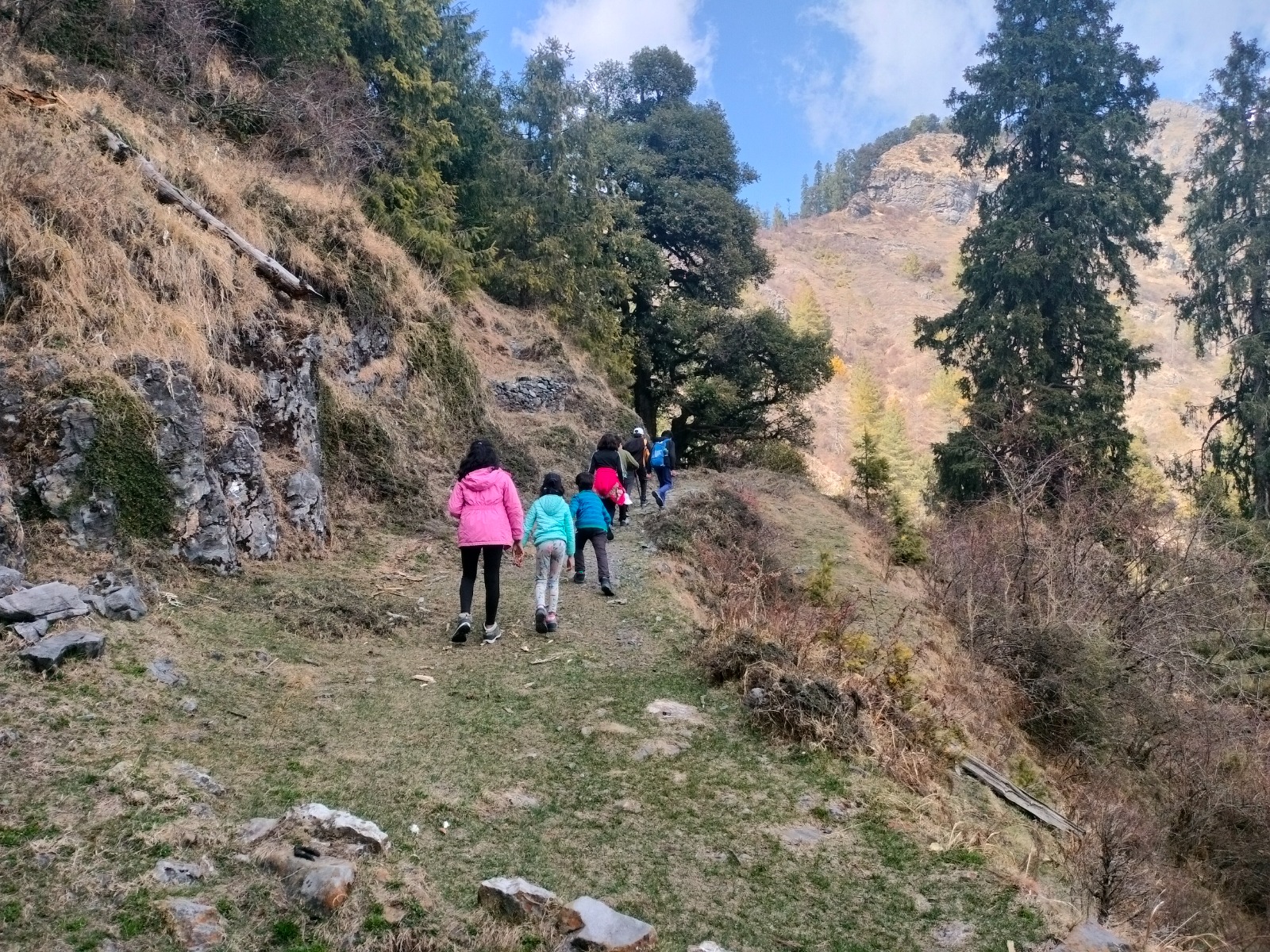
How the Mountains Shape Young Minds: Benefits of Trekking for Children

How the Mountains Shape Young Minds: Benefits of Trekking for Children :

Why Introducing Kids to Trekking Early Can Change Their Personality

Mountains are the place where the eyes cannot stop rolling because our eyes always try to find observable stuff. And the minds of children are most active in that case, in other words, they are always curious. 

Kids today grow up indoors. They are surrounded by screens. Their routines are fixed. They have very little exposure to real-world challenges. Most learning happens in classrooms. It happens through devices. Everything is controlled. Life is predictable. It is often disconnected from nature. 

But when a child steps outside into the mountains, not only the mountains. It can be forests, places near a water body, such as riverside, or sea beaches. Their children can never sit in one place. They will see things and get curious. And here their curiosity will get an answer naturally. In the mountains, they will do activities like trekking. There will be several types of vegetation, birds, etc. Here, things are not virtual, the climb, the toughness of mountains, determination and achievement are all real. And the most important thing kids need to connect with nature from childhood. To understand the value or importance of it is very important for their future. Especially trekking in the Himalayas makes more of an impact.
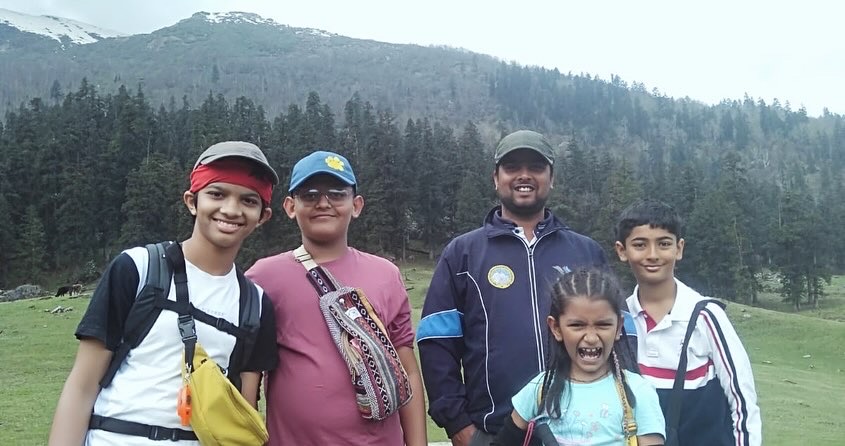
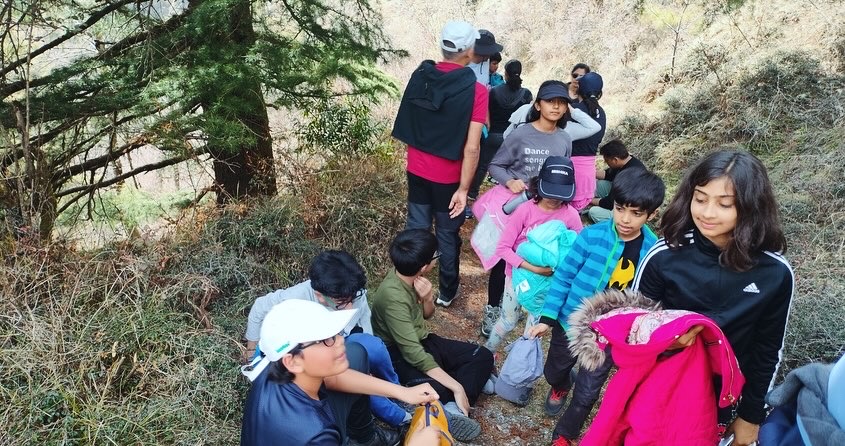
 

  The early years of a child’s life shape how they think. These years affect how they react to things. They change how they see the world. Early experiences become the foundation of their personality. Kids learn a lot when they face simple outdoor challenges. They are not just having fun on a trip. They are building a mindset that lasts for life. 

  Trekking in the Himalayas or trekking nearby does something unique. It puts children in situations where things are not perfectly planned. A steep climb teaches them how to adjust. An uneven trail helps them adapt. Changing weather does the same. They learn to keep going instead of giving up. These small moments build resilience over time. They learn that discomfort is temporary. They realise they can handle more than they thought. 

  Trekking gently pushes kids toward independence. They begin to take on small responsibilities. Children manage their own steps. They carry their essentials. They stay aware of their surroundings. Kids become more observant. They are more mindful. They depend less on constant guidance.

  This happens naturally. There is no forced lesson. There is no pressure. Children become more confident just by being in the mountains. They become more aware. They grow emotionally strong.

Building Confidence Through Small Adventures

  When a kid does trekking and completes that trek successfully. They sense an achievement that I completed the trek. Nature exposure for kids builds confidence inside them, not just because of completion, but because of the toughness they felt during the journey, and they still did it. 


  During a trek, the path is not always even. Sometimes there are tough steps, steep climbs, and steep descents. Where they make decisions in every step, like a tricky part of a trek, and pack their backpack, while packing, one day they pack wrong, but the next they try to pack better. 

  In the outdoors, kids learn to trust themselves because here things are completely transparent to them.

Overcoming Fear in a Natural Way

   Fear is a natural part of growing up. Kids often fear heights or the darkness. They might just fear the unknown. In daily life children do not get many chances to face these feelings in a healthy way. They often avoid them. Sometimes they are pushed too quickly. This can make the fear worse.

  Himalaya Treks creates a different space. You encounter fears gradually in nature. Nothing is forced. A child might feel nervous about a steep trail. They might feel uneasy in a quiet forest. They start to take small steps with the right support. Real growth happens in those moments.

   There is encouragement instead of pressure. Curiosity replaces fear. Children realises over time that scary things are manageable. They build courage naturally. They move at their own pace. They do not even realise they are changing.


Developing a Deep Connection with Nature

  Children develop a real relationship with nature when they spend time in the mountains. This is not something they just read about in books. They begin to understand how different elements connect. They notice the stillness of the peaks. They see the life in the forests. They watch the rivers flow. Nature stops being just scenery. It starts to feel meaningful.

  This exposure builds respect. Kids see clean trails. They see untouched landscapes. They notice the impact of small human actions. They become more mindful. They learn not to litter. They save resources. They appreciate what is around them. This is not a rule they are taught. They understand it through experience.

  The constant need for screens starts to fade. Digital entertainment loses its grip when children explore trails. They enjoy spotting birds. They sit quietly in nature. They learn to enjoy simplicity. This stays with them long after the trek ends.


Physical Health and Strength


   Trekking is a simple way to keep kids active. It does not feel like a workout to them. The impact on their body is still real. Walking on trails helps improve stamina. Climbing gradual slopes builds endurance. They stay active for hours without feeling pressure.

  This activity strengthens muscles over time. It improves breathing capacity. It supports overall fitness. Spending time in fresh mountain air can help immunity. Kids who spend time outdoors often fall sick less.

  The habit is what really matters. Children start enjoying physical activity early. It becomes part of their life. They choose movement over sitting around. This sets a foundation for a healthy lifestyle.

Boosting Mental Well-being

  Spending time in the mountains has a quiet effect on a child. Kids begin to slow down when they are away from screens. They are away from constant noise. This helps reduce stress. It helps with anxiety. They might not even realize it is happening.

  Trekking improves focus. It builds patience. Kids learn to concentrate by following a trail. They stay present in the moment. Moving step by step teaches them to work without distraction. The mountains offer a calmness that cities lack. Being in nature brings a sense of peace. This feeling stays with them after the trek ends.

Encouraging Curiosity and Learning Beyond Books

   Nature makes learning a hands-on experience. Kids see things instead of just reading about them. They feel different plants. They watch the weather change. They notice the landscapes. They explore the terrain.

  This sparks curiosity. They start asking questions. They observe small details. They try to understand how things work. Learning does not feel forced this way. These experiences stay with them longer than textbooks. They learned the lesson. They did not just memorise it.

Building an Adventurous Spirit for Life

  Trekking helps kids step out of their comfort zone safely. They become more open to trying new things. They enjoy exploring unfamiliar places. These experiences help them learn to face challenges.

  Trekking teaches children how to take healthy risks. These risks are thoughtful rather than reckless. This habit builds a stronger personality over time. Kids grow up feeling more confident. They become more adaptable. They are ready to face different situations in life.

Strengthening Family and Social Bonds

  Trekking is more than an individual experience. It brings people closer. Spending time on the trails creates strong bonds. You share small challenges. You celebrate simple moments.

  Kids connect better with their parents. They learn to interact with others in a group. Communication improves. They understand the value of teamwork. They help each other. They learn to wait. They support the group. Everyone moves forward together.

Simple Tips to Start Trekking with Kids

Trekking with kids is not about finishing a trail. It is about making them enjoy the outdoors. They will want to go again if their first experiences are good.

Start Small and Easy

Do not start with difficult treks. Pick short trails with easy climbs. You want to build their comfort. You should not test their limits yet. A happy first trip is the most important goal.

Keep It Fun

Avoid making the trek feel like a chore. Let kids play. They should explore or take breaks. Let them take photos. They can just sit and look at the view. Kids lose interest if they feel pressured to keep up.

Follow Their Pace

Kids do not walk like adults. This is fine. Let them set the speed. Stop when they want to stop. Walk when they feel ready. The trip should feel relaxed. It should never feel rushed.

Pack Smart

Carry water. Bring light snacks. Pack a basic first aid kit. Have an extra layer of clothing. Weather changes fast in the mountains. Give them a small backpack if they are old enough. This makes them feel involved.

Focus on Safety

Pick safe trails. Stay on the marked paths. Keep an eye on them at all times. Do not constantly warn or scare them. Their confidence grows when they feel safe. It grows when they feel trusted.

Make It Interactive

Turn the walk into an adventure. Look for different plants. Point out birds. Ask them to notice what is around them. Let them lead the way for a little while. This keeps them curious.

Take Enough Breaks

Kids need to rest more than adults. Use these pauses to drink water. Eat some snacks. Relax for a bit. These breaks make the trek better for everyone.

Dress Them Right

Comfort is very important. Make sure they have shoes with a good grip. Give them comfortable clothes. Use a cap for sun protection. Being uncomfortable can ruin the whole experience.

Appreciate Small Efforts

Celebrate their small wins. This could be finishing a climb. It could just be walking for a while. Encouragement works better than correction. It builds their confidence.

End on a Positive Note

Do not walk until they are exhausted. Finish the trek while they are still having fun. They will remember it as a good experience. They will want to go again next time.

Conclusion

  Trekking is more than an outdoor activity. It helps shape a child’s personality. It builds confidence. It reduces fear. It encourages curiosity. It creates a deep connection with nature.

Kids who explore the outdoors grow up stronger. They are calmer. They become more self-aware. These qualities matter long after the trek ends.

Also Read: Only-Female Trek


About Author

author_image

Himalaya Shelter

Recommended Treks

Recent trek Family Trip in Summer Phulara Ridge Trek
Family Trip in Summer Phulara Ridge Trek

Cost: ₹12500 | $144

Type: Easy - Moderate

Best Time: May | June And September | October

Recent trek Mukta Top Trek
Mukta Top Trek

Cost: ₹10999 | $126

Type: Easy

Best Time: January to June and November to December

Recent trek Dayara Bugyal Trek
Dayara Bugyal Trek

Cost: ₹11,299 | $125.46

Type: Easy

Best Time: January, February, March, April, May, June, September, October, November, December

Recent trek Dodital Trek
Dodital Trek

Cost: ₹11500 | $132

Type: Moderate

Best Time: January, February, March, April, October, November, December

Recent trek Nag Tibba Trek
Nag Tibba Trek

Cost: ₹4000 | $34

Type: Easy

Best Time: January, February, March, April, May June, July, August, September, October, November, December

Recent trek Chopta Chandrashila Trek
Chopta Chandrashila Trek

Cost: ₹9900 | $114

Type: Easy

Best Time: April to June and September to November

Recent trek Phulara Ridge Trek
Phulara Ridge Trek

Cost: ₹11500 | $130

Type: Moderate

Best Time: May, June, September, October, November

Recent trek Har Ki Dun Trek
Har Ki Dun Trek

Cost: ₹12500 | $142

Type: Moderate

Best Time: March, April, May. June, September, october, November