Clean Trekking in the Himalayas : Toilet Tents Setup & Hygiene Etiquettes Explained

Clean Trekking in the Himalayas : Toilet Tents Setup & Hygiene Etiquettes Explained :

Beginner’s Guide To Toilet Tents In Himalayan Treks

Trekking in the Himalayas is always breathtaking. You are surrounded by gorgeous snow-capped mountains. All you can imagine is walking into forests and valleys and waking up with stunning sunrises. But one thing that most trekkers hesitate is the toilet facilities. Honestly, maintaining hygiene can become difficult sometimes. But certain setups can help in making it comfortable. Toilet tents are a kind of thoughtful setup that maintain hygiene and privacy.


Why do you need toilet tents in the Himalayan trek?

Waste management in the Himalayan trek is way different than the cities. Here, trekkers walk through valleys and forests. You won’t find any towns or any kind of modern infrastructure on the trail. You might find small villages in the lower campsites but there is nothing in the high-altitude camps. In those regions, toilet tents are a great setup for human waste management. 

Toilet tents are necessary part of modern Himalayan trekking because they are:

Private 

Portable 

Eco-conscious

Toilet tents are crucial else the trail be polluted. These tents are not only designed for comfort but also for respecting mother nature.

What is a toilet tent?

A toilet tent is a small and enclosed tent used by the trekkers as a temporary washroom at a campsite. The toilet is usually set up a bit far away from the sleeping tents. The toilet tents are good for managing hygiene and privacy.

Things you will see on a toilet tent:

A portable or pit-based toilet seat setup

A basic support like frame

A deep pit

All things look very basic but can work well when managed correctly.

Different Types of Tents Used In Himalayan Treks

Pit Toilet Tent 

The pit toilet tent is a type of traditional system. The pit toilet has a deep pit in the ground and a tent over it. There is also a toilet seat frame on the top. The pit toilet tents are mainly used in lower campsites where the stays are longer. These toilet tents have a natural decomposition system and have less impact on the environment if used properly.

Portable Toilet Tent 

The portable toilet tent has a bit more modern setup. In this tent, you will see a portable commode chair with biodegradable inside the toilet tent. The portable toilet tent is more suitable for beginner-friendly and smaller treks. The portable toilet tent is preferred for premium treks or places where digging a pit hole is not possible. 

Dry Toilet System

A dry toilet is an environment-friendly system and mainly used for nature-sensitive areas. In this toilet, dry material like soil or sawdust is used for covering the waste. Water is not used in dry toilets and the waste also decomposes faster. The toilet is mainly used to conserve water and prevent contamination risk.


How Trekking Teams Setup Toilet Tents At The Campsites?

The Himalaya Shelter team takes trek hygiene very seriously. We ensure that the toilet tent is set up far away from the sleeping tent but inside a safe diameter. The set up usually ranges 50-70m away from the sleeping tent in downwind direction. The toilet tents are mainly set up away from the river or any water resource to avoid contamination. Sometimes, lime powder or disinfectant is used to maintain hygiene.

Hygiene Etiquettes Every Trekker Must Follow On A Himalayan Trek

The toilet tent functions well when all the trekkers follow the hygiene etiquettes. It helps others to manage everything without any discomfort.


Always use the toilet tent

The trek operating team set the toilet tent for a purpose. Use the designated tent to avoid open defecation. It not only harms the environment but also spoils the trails for others.

Carry your personal kit

You should always make a small personal kit for the Himalayan trek. Take a zip-lock bag and pack toilet paper and hand sanitizer. You can also use wet-wipes but these wipes are non-biodegrable. Females can carry sanitary pads and other menstrual essentials. 

Keep the tent clean

One tent will be used by everyone on the trek. You should try to keep the tent clean for the next person. Do not create any mess and close the lid properly. Cover your waste with soil or sawdust as instructed. Never throw tissue or any sanitary waste in any open spaces. 

Maintain basic hygiene

Follow the basic hygiene while using the toilet. Always use hand sanitizer after using the toilet tent. You should wear proper footwear inside the tent. Avoid touching any surface unnecessary to prevent infections.

Respect everyone’s privacy

All trekkers and team operators have to use the same tent so you should wait for your turn patiently. Do not rush others and try not to make any noise unnecessary.
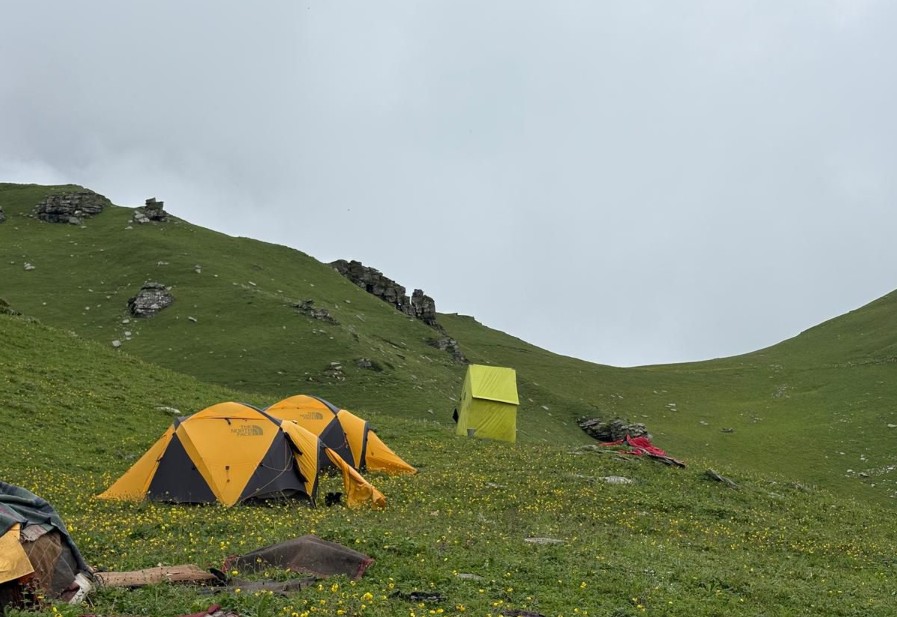
Challenges While Using Toilet Tents

Your toilet tent is nothing like your home washroom. The comfort level is surely less but still manageable. If it's rainy or snowy then using the toilet becomes more difficult. There is no light on the tent so using the tent after getting dark is challenging. You should always carry a head light and go with a companion at night. Using the tent might feel very uncomfortable for initial 1-2 days but after a few use it will become totally normal.


Himalaya Shelter also offers customized trekking services. We plan the whole trek as per your needs. Our team will create the itinerary depending on your comfort and pace. We can customize the type of meals, accommodation, and conveyance. Our trek leaders have years of experience and are always there for you.


The Himalaya Shelter team has initiated the Great Himalayan Trails India program. The GHT is a long journey of the Himalayan region. There is no fixed itinerary and trails of the trek. You start from one end of the country and walk towards another. The Great Himalayan Trails are about a few weeks to few months long. Join us in our long journey of peace and spirituality into the lap of the Himalayas.