Accommodation:
During the Phulara Ridge trek, trekkers can choose to stay in guesthouses or camping sites depending on their preference. Guesthouses are available at several points along the trekking route, including Khati, Dwali, Phurkia, and Pindari Glacier. These guesthouses offer basic accommodation facilities such as dormitory-style beds or private rooms, shared bathrooms, and common dining areas.
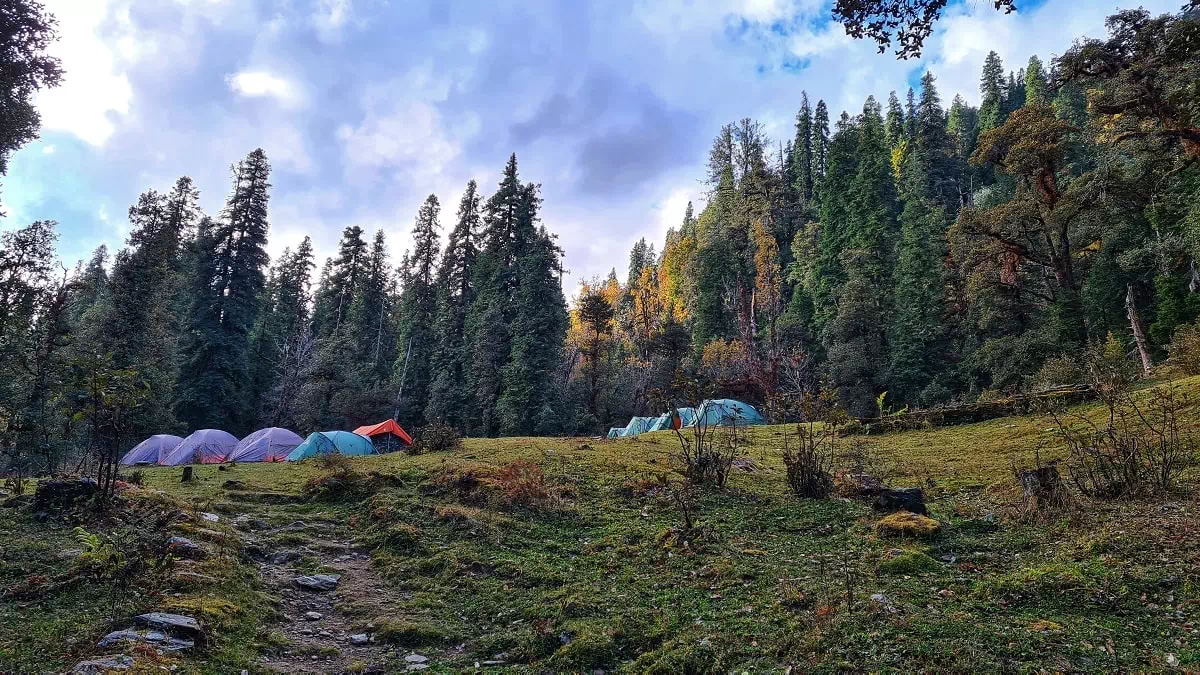
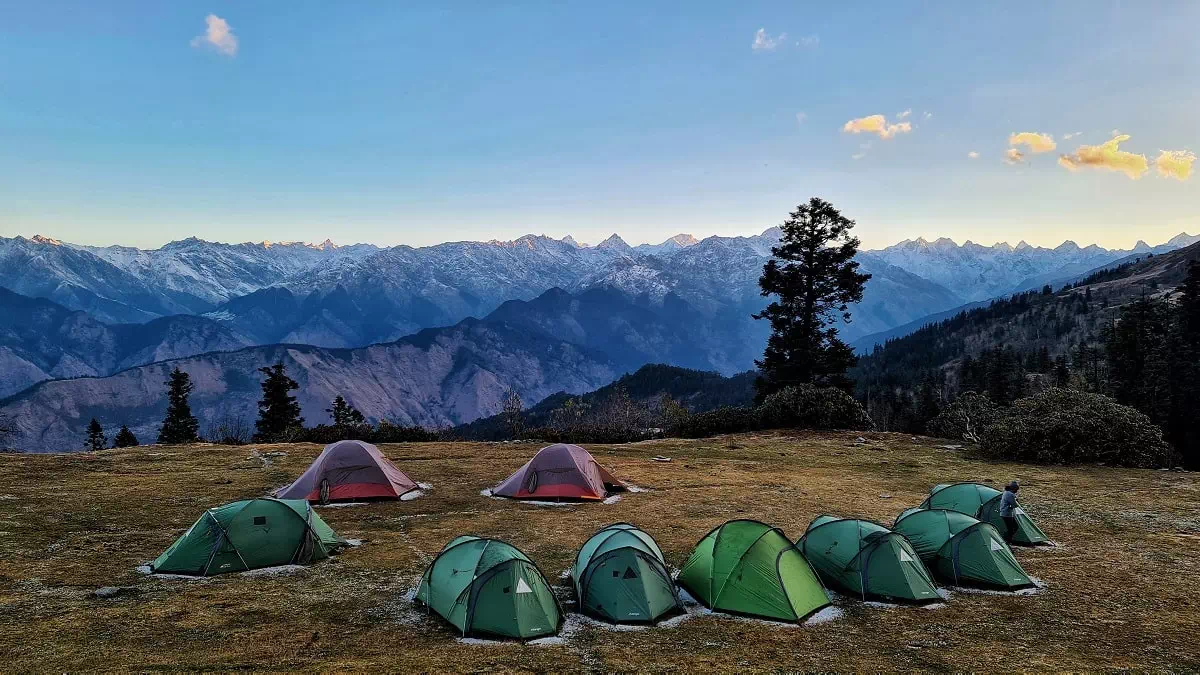
Camping is also an option for trekkers who prefer a more immersive experience in nature. Campsites are available at various locations along the trekking route, and trekkers must carry their camping equipment, including tents, sleeping bags, and cooking utensils.
Food:
During the trek, trekkers can expect to find basic food options at the guesthouses and campsites along the route. The food options typically include vegetarian dishes such as rice, dal, chapati, and vegetables. Some guesthouses also offer non-vegetarian dishes such as eggs and chicken.
It is recommended to carry some energy bars, dry fruits, and other snacks for the trek, as food options along the trekking route may be limited. Trekkers should also carry a water bottle and refill it at the water sources along the route, as buying bottled water can be expensive and environmentally unfriendly.
Overall, the accommodation and food options along the Phulara Ridge trek are basic but comfortable and sufficient for trekkers to replenish their energy and rest after a day of trekking. Trekkers should also be respectful of the local culture and customs while staying at guesthouses and interacting with locals.
Cultural immersion:
The Phulara Ridge trek offers an excellent opportunity for cultural immersion in the Kumaon region, which is known for its rich cultural heritage, customs, and traditions. Here are some insights into the local culture and opportunities for cultural immersion during the trek:
- Local Villages: The trek passes through several small villages, including Dhaula, Bursol, and Garpak, where trekkers can interact with the local people and learn about their culture and way of life. These villages offer a glimpse into the traditional architecture, food, clothing, and customs of the Kumaon region.
- Traditional Cuisine: The local cuisine of the Kumaon region is simple and nutritious, featuring dishes made from locally grown produce such as rice, lentils, and vegetables. Trekkers can sample traditional dishes such as Bhatt ki Churkani, Kumaoni Raita, and Baadi during their stay in the local guesthouses.
- Festivals and Celebrations: The Kumaon region is known for its colourful festivals and celebrations, including the Nanda Devi Raj Jat Yatra, which is a 280 km pilgrimage trek that takes place once every 12 years. Trekkers can witness the festivities and participate in cultural events during their stay in the local villages.
- Local Handicrafts: The Kumaon region is known for its traditional handicrafts, including handwoven textiles, pottery, and wood carvings. Trekkers can visit local markets and handicraft centres to learn about traditional techniques and purchase souvenirs.
- Folk Music and Dance: The Kumaon region has a rich tradition of folk music and dance, which reflects the local culture and way of life. Trekkers can attend cultural performances and music concerts during their stay in the local villages.
In conclusion, the Phulara Ridge trek offers ample opportunities for cultural immersion in the Kumaon region, enabling trekkers to learn about the local culture, customs, and traditions, and interact with the friendly and hospitable local people.
Physical and mental preparations:
Physical and mental preparation is essential before embarking on the Phulara Ridge Heights trek. Here are some tips and recommendations to help you prepare for the trek:
- Start Early: Begin your training at least 2-3 months before the trek to give your body enough time to adapt to the physical demands of the trek.
- Cardiovascular Training: Focus on cardiovascular training such as running, swimming, or cycling, to improve your endurance and stamina.
- Strength Training: Include strength training exercises such as squats, lunges, and push-ups, to build muscle strength and improve overall fitness.
- Flexibility and Stretching: Incorporate stretching exercises and yoga poses into your routine to improve flexibility and prevent muscle stiffness and injuries.
- Mental Resilience: Mental resilience is just as important as physical fitness for trekking. Practice mindfulness meditation, visualization, and other relaxation techniques to develop mental strength and resilience.
- Altitude Acclimatization: It is important to acclimatize to the high altitude gradually to prevent altitude sickness. Plan your itinerary in such a way that you gradually gain altitude and spend a few days at higher altitudes before proceeding to higher elevations.
- Hydration and Nutrition: Drink plenty of water and consume a balanced diet rich in carbohydrates, proteins, and essential nutrients to maintain your energy levels during the trek.
By following these tips and recommendations, you can prepare your body and mind for the physical and mental challenges of the Phulara Ridge Heights trek and ensure a comfortable and safe journey.
Challenges and rewards:
The Phulara Ridge trek offers a unique and challenging experience for trekkers, with stunning panoramic views, diverse landscapes, and an opportunity to explore the local culture and way of life. Here are some insights into the challenges and rewards of the trek, along with personal accounts and experiences of previous trekkers:
Challenges:
- Steep and challenging terrains: The trek involves hiking through steep ascents and descents, narrow paths, and rocky terrain, which can be physically demanding.
- Altitude and acclimatization: The highest altitude reached during the trek is around 3,800 meters, which requires proper acclimatization and can pose a risk of altitude sickness.
- Weather conditions: The weather can be unpredictable, and trekkers may face harsh weather conditions such as snowfall, rain, and extreme cold.
Rewards:
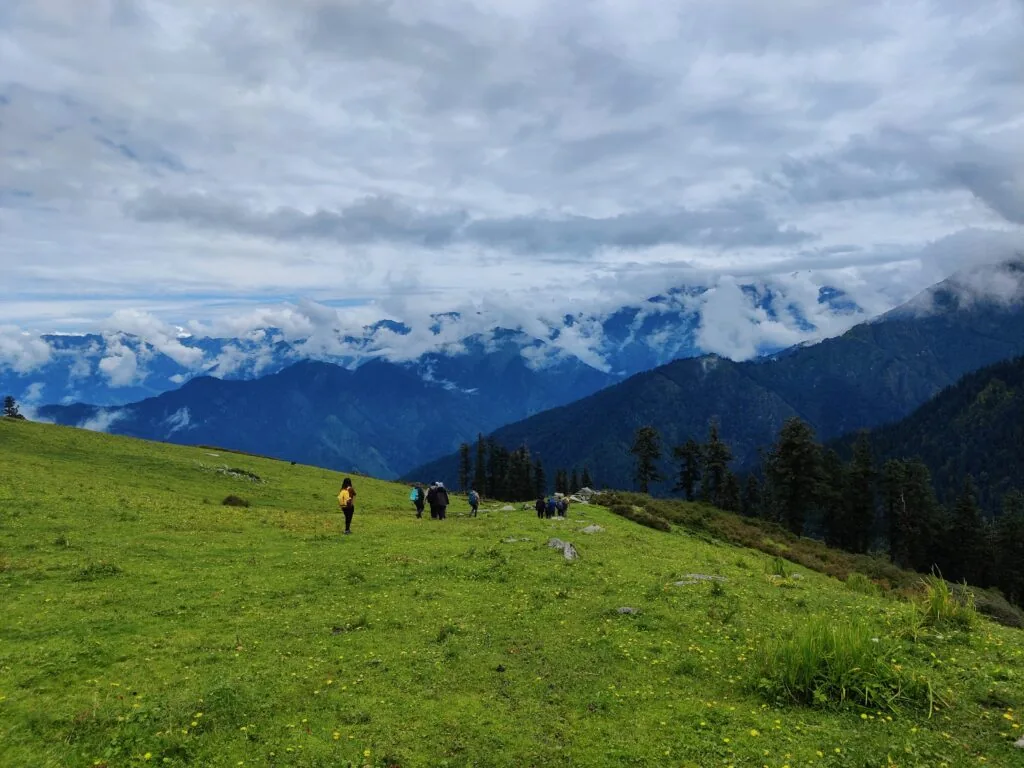
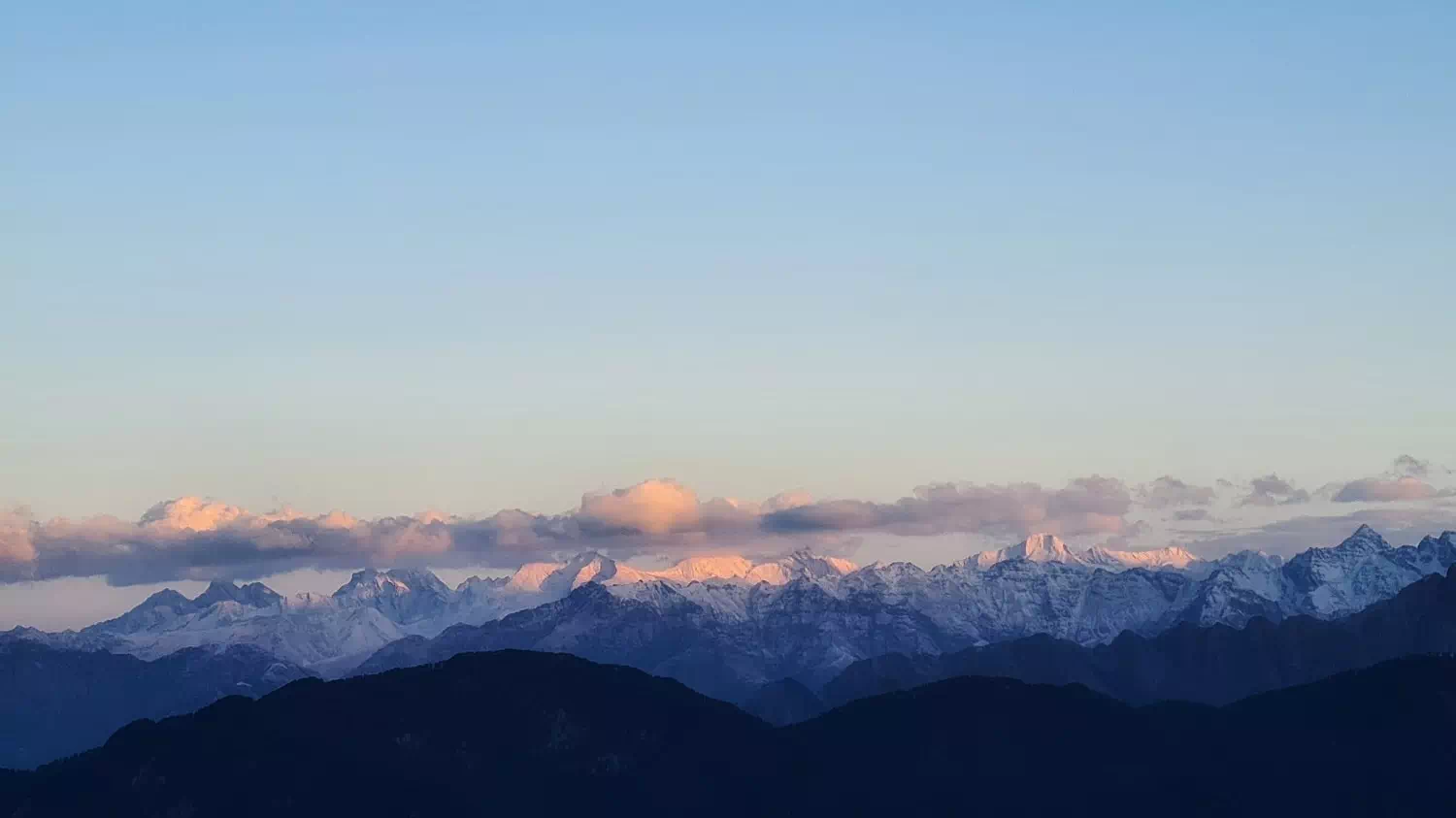
- Stunning panoramic views: The trek offers breathtaking views of the Himalayas, snow-capped peaks, beautiful forests, meadows, and valleys.
- Cultural immersion: The trek provides an opportunity to explore the local culture, interact with the locals, and witness their way of life.
- Diverse landscapes: The trek takes you through a range of diverse landscapes, including forests, meadows, glaciers, and mountain peaks.
- Personal growth and achievement: Completing the trek can be a rewarding personal achievement, providing a sense of accomplishment, confidence, and resilience.
Personal accounts and experiences:
- Some trekkers have described the trek as a life-changing experience, providing a sense of peace and tranquillity amidst the beautiful surroundings.
- Others have described the trek as physically demanding but rewarding, with the stunning views and sense of accomplishment making it all worth it.
- Some trekkers have also shared their experiences of interacting with the locals, learning about their culture, and experiencing their hospitality during the trek.
Overall, the Phulara Ridge trek offers a unique and challenging experience for trekkers, with a range of challenges and rewards that make it an unforgettable journey.
Responsible Trekking:
Responsible trekking is a crucial aspect of any trekking expedition, including the Phulara Ridge trek. Here are some tips and guidelines for responsible trekking that can help minimize your impact on the environment and local community:
- Stick to the Trails: Stick to designated trails and avoid making new trails that can damage the local ecosystem and lead to soil erosion.
- Carry Your Trash: Carry all your trash and dispose of it properly in designated trash cans or carry it back with you. Avoid littering the trails or camping sites.
- Minimize Resource Usage: Use natural resources like water, firewood, and electricity judiciously. Avoid wastage and conserve resources as much as possible.
- Respect the Local Culture: Respect the local culture and customs of the region. Dress modestly and behave respectfully towards the locals.
- Support Local Economy: Choose locally owned guesthouses and homestays, and purchase local produce and handicrafts to support the local economy.
- Minimize Environmental Impact: Use eco-friendly products and avoid products that are harmful to the environment. Use biodegradable toiletries and avoid using plastic bottles.
- Reduce Carbon Footprint: Use public transport or carpool whenever possible to reduce your carbon footprint. Avoid using private cars and motorcycles.
- Leave No Trace: Leave no trace behind and ensure that the environment is left in the same state as you found it.
By following these tips and guidelines, you can minimize your impact on the environment and local community and ensure that your trekking experience is responsible and sustainable.