Friendship Peak Trek sits deep in Himachal Pradesh’s Pir Panjal range. Timing makes or breaks this climb. At 5,289 meters, it is not a year-round walk. Snow conditions and weather depend on the season. Your confidence on crampons depends on the timing too. If you want the best time for Friendship Peak Trek Himachal Pradesh, look at pre-monsoon or post-monsoon months. The details are below.
Trek Diaries
Best Time to Do Friendship Peak Trek
Introduction
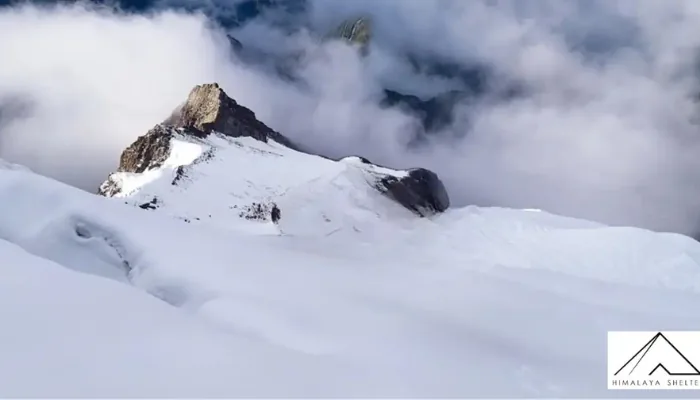
From the summit of Friendship Peak, you can see Hanuman Tibba and Shitidhar clearly. The Dhauladhar skyline looks endless from that height. People plan this climb carefully because it is a serious snow expedition. It is not a casual trek.
The seasons decide everything on this mountain. Timing affects the snow quality and your success rate. The best windows usually happen before or after the monsoon. This guide covers the best months for a climb. It explains the weather and how each season affects your safety.
Why Season Matters on Friendship Peak
Friendship Peak depends on snow and ice conditions more than regular trails. Soft snow makes you sink with every step. Hard ice requires careful crampon use. Powder feels safe but is slow. Hard ice is faster but dangerous.
At 5,289 meters, the weather changes fast. A clear morning often turns into a whiteout by the afternoon. Good weather windows help you reach the summit. Success rates can hit 80 percent during a solid season.
The snow quality changes how difficult the climb feels. May and June offer softer snow and easier slopes. September and October have firm ice that requires better technique. Fitness is always important. Choosing the right time of year gives you the best chance to finish.
Pre-Monsoon Season: May to June
In May and June, the mountain has a solid snowpack. It is often 2 to 3 feet deep on higher sections. The snow feels firm in the morning. It softens later in the day. This makes cramponing easier for beginners. Glacier bridges are stable during this time. Route visibility is clear.
Alpine meadows near base camps start to show wildflowers. This is a nice view after long training days. Daylight lasts up to 14 hours. You have more time on summit day. This helps reduce pressure. It also cuts down on fatigue.
Weather
- Day temperatures: 10–20°C
- Night temperatures: around -5°C
Month-wise Breakdown
May:
In the month of may the nights are cold, snow also set not powder and less crowds. Ideal if you prefer quieter expeditions and slightly more stable conditions.
June:
Snow starts to soften and the meadows bloom. Most groups are on the mountain now. It is busier but the conditions stay easy. This makes it a comfortable month for beginners.
Things to Watch Out For
Afternoon avalanches can happen once the sun heats the slopes, so early alpine starts are non-negotiable. Overall though, this season is great for climbers attempting their first 5,000-meter peak, especially if they’ve done something like Kedarkantha before.
Post-Monsoon Season: September to October
Once the monsoon ends, the skies stay clear. The clouds disappear and you can see much further. The snow turns into hard ice on many slopes. This makes climbing faster if you have good technique. The mountain feels more rugged and alpine.
Himachal looks different with autumn colors. The forests turn golden.
Weather
- Day temperatures: 5–15°C
- Night temperatures: down to -10°C
Month-wise Breakdown
September:
By September, the monsoon clouds usually clear away fast. This creates more stable weather for climbing. You can still find reliable snow on the upper slopes. Temperatures stay decent because the extreme cold has not arrived yet.
October:
October is usually the clearest month on Friendship Peak. The weather stays dry and you get great visibility while climbing. It does get much colder at night. Most people prefer this time because the conditions are stable and the views are sharp. You should expect more crowds during festivals like Diwali. Many trekkers plan their trips for those specific dates.
Things to Watch Out For
Winter climbing is colder than summer. The conditions are more technical. Hard ice makes crampon and ice-axe skills essential. This season is for climbers who feel comfortable on snow. It is a good fit for people with ice experience.
Off-Seasons to Avoid
Monsoon (July–August)
Avoid this season entirely. Heavy rain causes rockfalls. The trails get slippery. Visibility drops quickly. These routes are not safe right now.
Winter (November–March)
Temperatures often drop to -25°C. You will find deep powder snow. This time is only for advanced ski mountaineering. It is for serious winter expeditions.
Shoulder Months (April & November)
Snow is unstable during these months. Cornices and unpredictable weather create risks. These times are not reliable for a trip.
Booking Tips by Season
Book early for May and June because those slots fill up fast. Three months of lead time is usually enough. Prices often drop in September and October once the Diwali rush ends. You should always double check permits for the Manali sector. Make sure to confirm your operator’s safety setup before you go.
Your packing needs to change with the season. Summer climbs require light layers. You will also need good sun protection. Autumn demands warmer insulation to manage the cold. Winter gear is a different story entirely.
Conclusion
Go from May to June if you want easy access. These months offer the most comfort. Pick September or October for the best views. You will have a better chance to reach the summit then. Friendship Peak Trek rewards people who time their trip well. Pick a season that fits your snow skills. Train hard before you go. The mountain usually meets you halfway if you prepare.