Nowadays, trekking is widely considered to be one of the top adventure activities because it provides participants with a unique combination of a physical challenge, refreshment for the mind, and a stronger connection to nature than many other adventure activities. Rather than providing just short bursts of adrenaline, treks provide a more comprehensive experience that encompasses physical fitness, the exploration of new cultures, and the development of oneself as a person. This balance is the primary reason trekking continues to gain in popularity among both those who travel and adventure enthusiasts.
Trek Diaries
Trekking Emerges as One of the Greatest Adventure Activities
Why Trekking is among the Top Adventure Activities
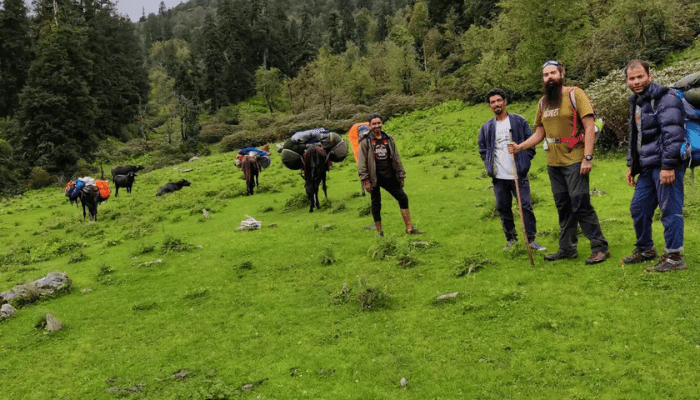
The most significant advantage of trekking over most other adventure activities is its accessibility and diversity. No high-priced equipment or expensive training is required for trekking. Beginners can choose to begin trekking on an easy trail through the forest or participate in a highly challenging trek at more than 11,000 feet elevation.
In contrast to many adventure activities, which are limited to certain geographic areas or specific seasons, treks may be enjoyed on many different types of terrain and at all times of the year, making trekking one of the most popular adventures worldwide.
Physical and Mental Benefits of Trekking
The benefits and advantages of trekking as a form of fitness training are numerous. Trekking develops overall cardio fitness and builds endurance for the one who does it. Trekking develops one’s ability to walk or run long distances on uneven ground while building strength and endurance in the legs, core, back, and shoulders. In addition to developing one's body physically, trekking also develops one's mind mentally. Trekking provides a way to disconnect from the fast-paced lifestyle offered by modern technology and provides an opportunity to get back to nature. As trekkers walk at a slow, steady pace, it promotes mindfulness as well as clarifying those thoughts that cause us stress every day in our daily lives.
Trekking vs Other Adventure Activities
When comparing trekking with other types of adventure activities, there is a distinct difference between the two. Other adventure activities, such as bungee jumping or zip lining, are only momentary excitement that provides a quick spike in your adrenaline while limited to the area of the activity. While river rafting is exciting, it only lasts a few hours and is confined to a small portion of the river. Once your adventure is over, your experience is too. However, on the other hand, trekking provides the opportunity to experience multiple days of various sights, campgrounds, weather patterns & new challenges encountered by the trekkers, thus establishing a more profound connection to nature and all that is part of the adventure.
Collaboration, patience, and perseverance developed through trekking with other individuals. Group treks can help develop social interaction and promote social responsibility, something that may be lacking in short-duration adventure sports.
Trekking as a Sustainable Adventure Choice
As people are becoming more conscious of their impact on the environment and on local communities, trekking is emerging as a sustainable form of tourism. Trekking done responsibly can help support local economies in mountain areas, maintain the traditions of local cultures, and protect the environment. In contrast to adventure activities requiring gasoline to operate, trekking creates minimal ecological impact.
Most of the trekking routes pass through small and remote villages and provide an opportunity for hikers to experience and learn about local cultures and ways of life. Thus, trekking can also be viewed as an educational opportunity rather than a fun activity.
Adventure with Purpose and Personal Growth
The most significant benefit of trekking is how much personal growth and a sense of accomplishment you get from it. Completing a trek gives you the confidence, mental strength, and discipline needed to succeed in life. You learn how to be adaptable and have perseverance when faced with challenges such as physical fatigue, changing weather, and difficult terrain; these skills carry over from the mountains into your everyday life.
Every trek tells a story of endurance and self-discovery, whether it is your first trek on an easy trail or an experienced trekker going on a high-altitude expedition.
Conclusion
Trekking is definitely one of the top adventure activities and has earned its name! Trekking combines all the best qualities of adventure with physical fitness, mental wellness, and connection to the culture and environment, as well as being a sustainable form of travel. As you move into the future and your society values meaningful experiences more and more, trekking will continue to be an adventure that leaves a lasting impression long after the end of the trip!