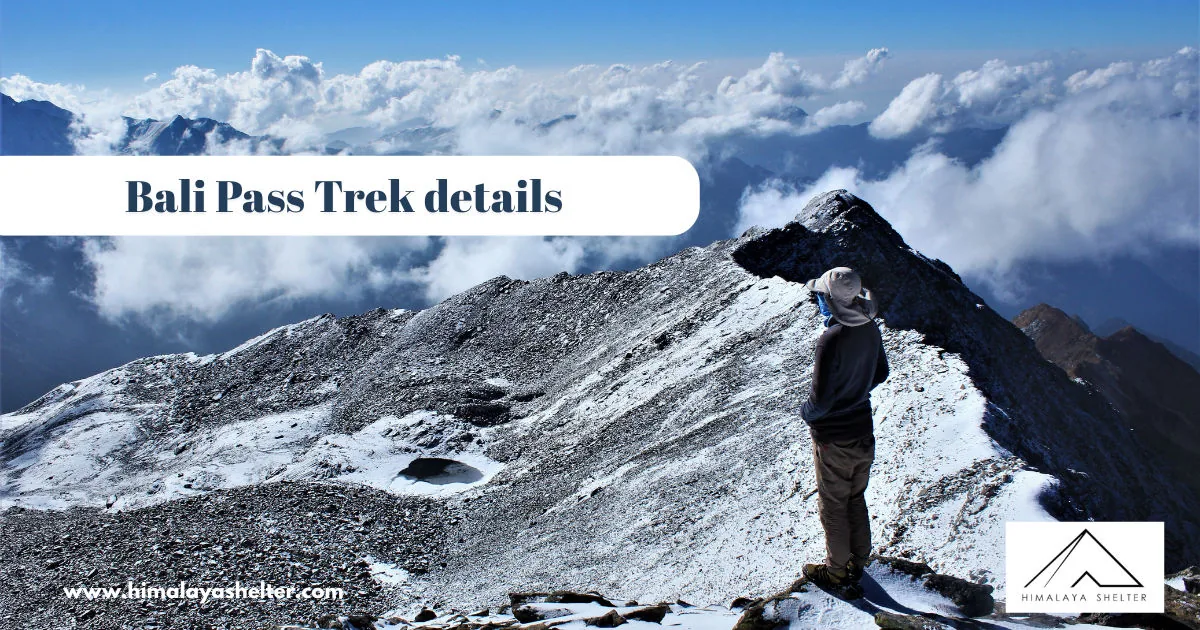
The difficulty level of the Bali Pass trek is primarily due to its high altitude. The total trek distance is around 66 km, requiring participants to cover approximately 8-9 km per day. There are days with shorter walking distances and others with higher walking distances.
As you approach the summit, the air becomes thinner, and the oxygen level decreases. On the summit, trekkers will have to navigate with only 1/3 of the normal oxygen level.
In addition to the low oxygen level, trekkers must endure extremely cold temperatures, especially at night. However, Himalaya Shelter provides high-quality tents and sleeping bags to help cope with the cold.
The trek involves encountering many steep ascents and descents. The view from the ridge can be intimidating for many. The descent immediately after the summit is particularly tricky, and sometimes trekkers may need to use a rope for a safe descent.
The difficulty of the trek also varies with the season you choose for the trek. At such high altitudes, the weather becomes unpredictable, and sudden snowfall may create barriers to crossing the pass. In such conditions, trekkers may have to return without reaching the summit.
Documents required for the Bali Pass Trek
Trek organizers have to submit data for all participants undertaking the Bali Pass Trek to the authorities of Govind National Park and Gangotri National Park.
- Photo ID Proof (Aadhar Card) (Passport and Visa for Foreign Nationals)
- Medical Fitness Certificate
- Adventure Insurance
According to the new guidelines by the government authority, trekkers may be required to undergo a medical check-up at the government hospital in Mori.
What will you achieve after doing the Bali Pass Trek?
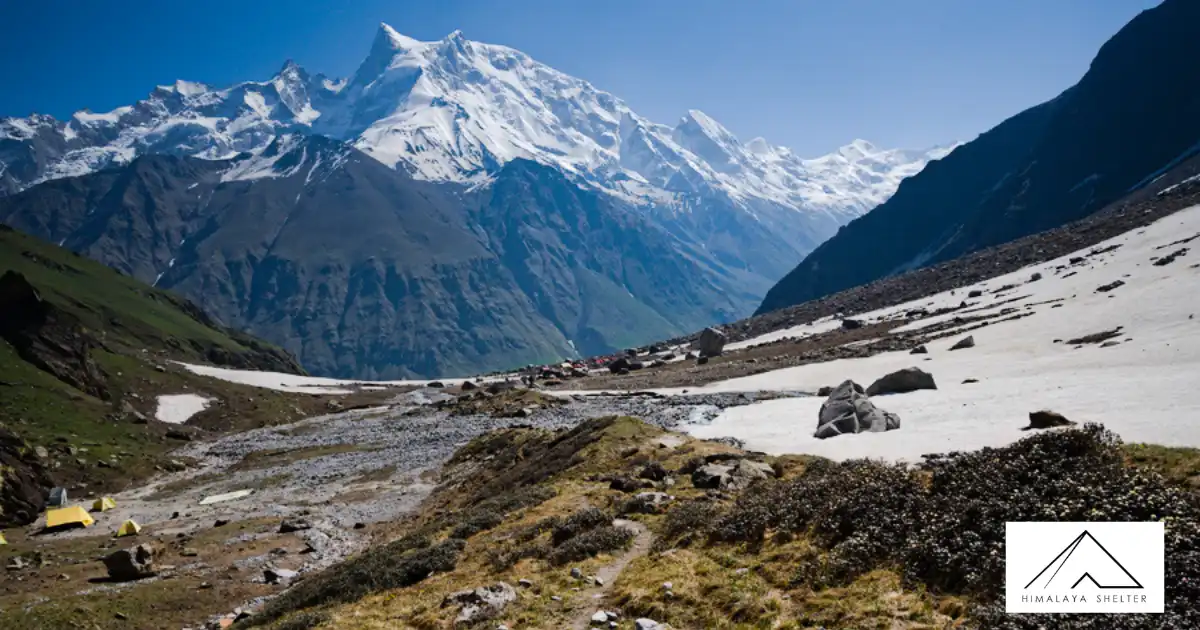
Man’s urge to explore new dimensions of himself has brought him to the mountains and oceans, into the lap of Mother Nature where he can feel a direct connection to the energy that is beyond his grasp. It is here that he can attempt to establish a clearer and purer connection with himself. In this pursuit, the outer exploration leads to the exploration of inner dimensions, breaking boundaries one by one. This is a visual journey to a heavenly ascent and embarking on the Bali Pass Trek will help you break not only the outer barriers but also your inner barriers. This trek offers spectacular views of mountains like Banderpunch I and II, Swargarohini. Moreover, throughout the trek, you will enjoy the mesmerizing beauty of Mother Nature in the form of mountains, rivers, lush green forests, vast meadows, lakes, and waterfalls.
Upon successful completion of the trek, you will be awarded a specially designed certificate.