During May mostly the morning is very warm due to the sun’s rays. However, the nights become double the cold as the mornings. This is the reason there is not much snow in the valley, as that has been melted. Many people consider that in the morning the temperature is higher. However, in June you might have to deal with showers of rain which is why June is known as the starting month of the monsoon.
As we know in summer many people opt to go for high-altitude treks which generally means there is less crowd in summer and so, it becomes easy for you to do the Kedarkanatha trek. Due to the rain, the weather becomes pleasant and you will be able to smell the fresh scent of the meadows. Most of the famous summer trek is Har ki Dun Trek however, there are other famous treks too but Har ki Dun is as moderately difficult as the Kedarkantha trek.
In the Monsoon season, you can find it difficult to do the Kedarkantha trek because of rain. Everyone knows that in August there is a lot of rain so, due to that rain there are chances that the trail will become slippery. However, in August you will find scenery with green landscape which means the trail is green all over. In high altitudes due to rain, there can be a foggy atmosphere around. Therefore, be careful because in a foggy situation, you lose your visibility so, that can create confusion for you to move ahead in trekking.
Due to rain, the temperature of August is unique however, with unique temperatures the environment and surroundings become unique too. Hence, most of the trekkers choose the monsoon season to enjoy the scenery. However, after dealing with all the hurdles, you will find that nature has such bliss to offer us.
-
Autumn ( September-November)
September to November is the Autumn season and in autumn the temperature of Kedarkantha Trek is between 0 to 15 degrees Celsius. Along with the temperature the weather is very clear in Autumn. In Kedarkanatha you will find that the breezes are very fresh without being extremely cold. In November the green meadows slowly start turning brown and eventually, the leaves and grass become dry and fall
However, the mountains are green. Autumn season is the start of the cold season. Although the mountains and meadows still look fresh.
-
Winter season (December-February)
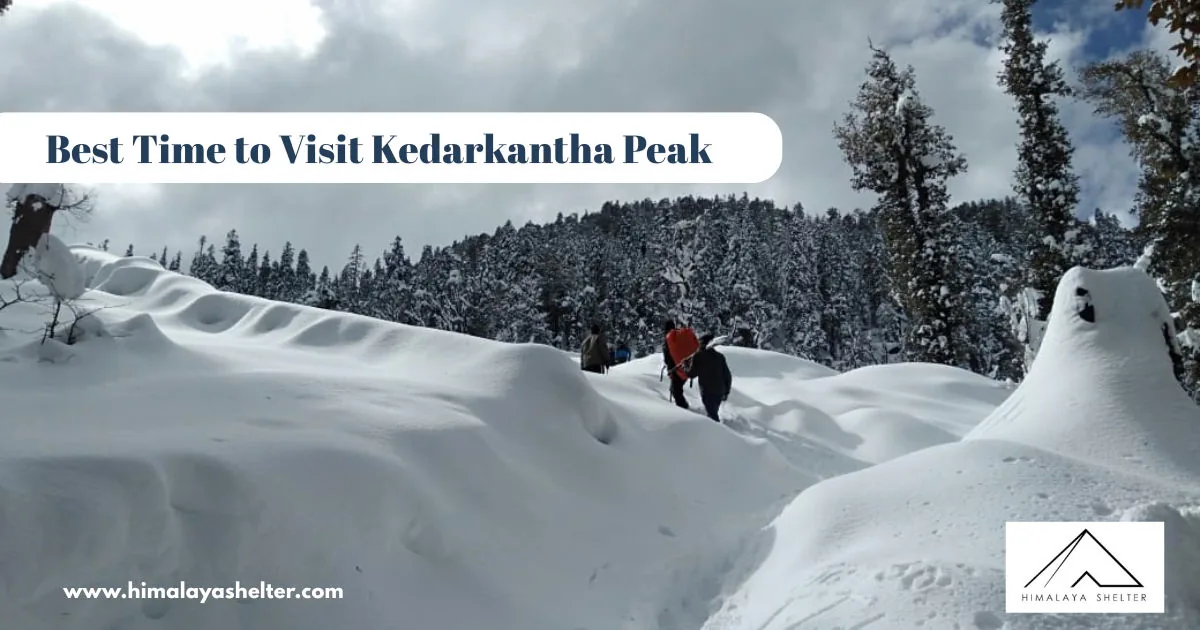
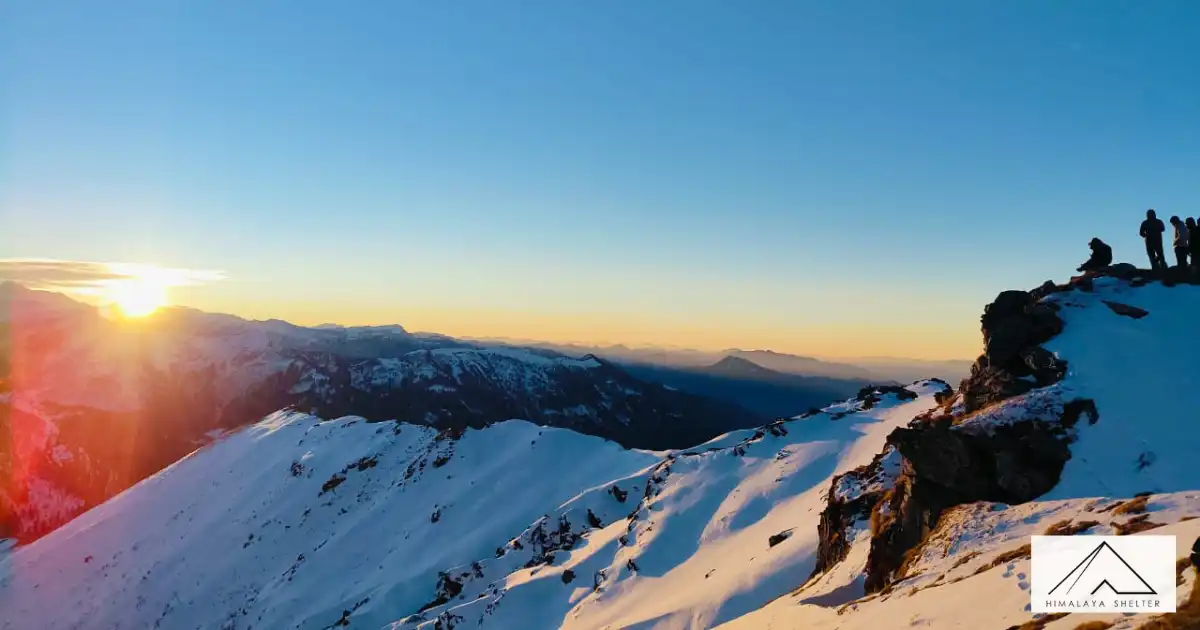
This Kedarkantha Trek is mostly famous for winter treks so, that generally means that it’s more beautiful and has picture-perfect views in winter. In December the landscape is covered in snow so this could be a perfect month for trekkers to go to Kedarkantha Peak. however, besides the charming view, Winters also comes with many challenges that you might face so, be careful.
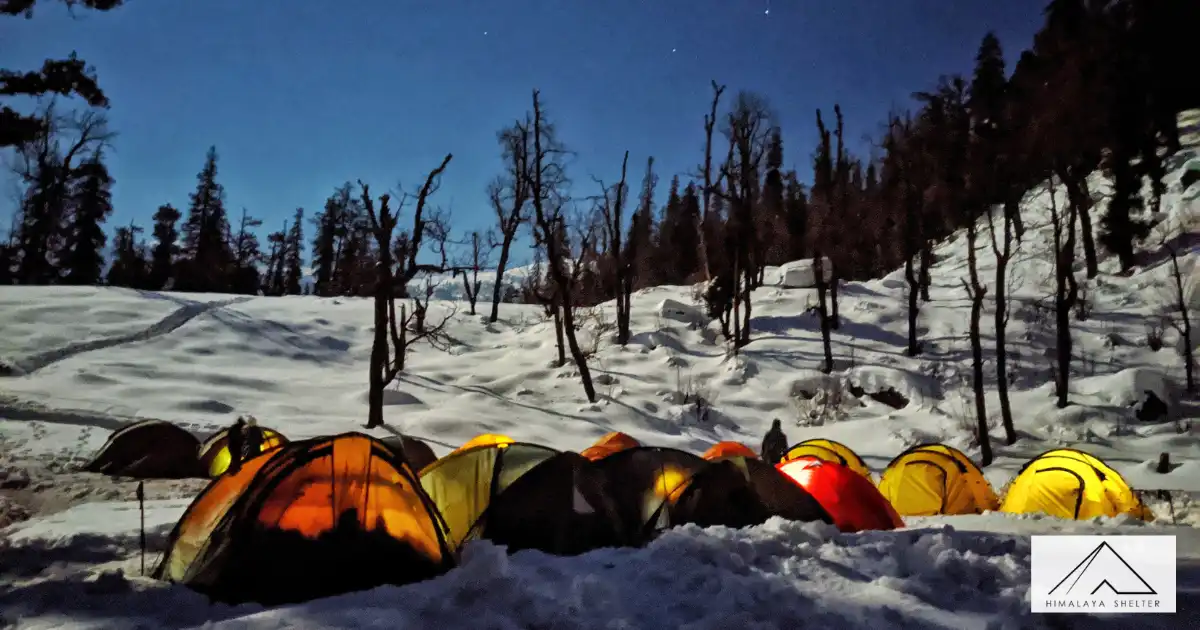
Moreover, from December to February, you can see the snowfall, hence the weather and scenery can take your breath away. Compared to other seasons January sees the most snowfall in Kedarkantha. With pine trees covered with snow, Kedarkantha looks phenomenal. However, during peak winters which are in December, January, and February the nights are very cold so, do your packing according to the weather. As the season is very cold you must keep your 3 layers of clothing. This means your backpack also increases in the winter.
In the trail, there can be chances that due to heavy snowfall, you have to deal with blockage of terrain. Therefore, be careful, and if something like this happens be prepared for it and have an extra 1 or 2 days so, that if such a situation occurs you must be aware of it. In winter Kedarkahntha is covered with a blanket of snow which looks very attractive and charming while trekking.