Why January 2026 Is Perfect for Snow Trekking in India
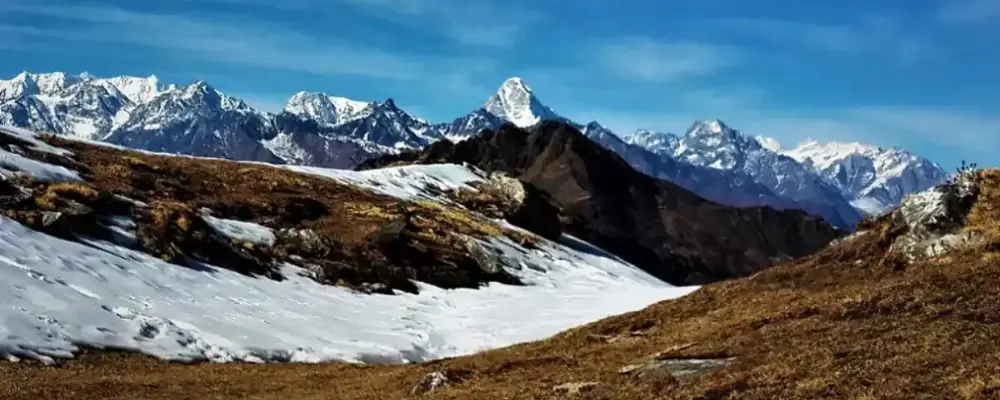
The idea of trekking in January is the best idea for one who wants to experience snow trekking. For people who want to actually walk on snow, not just see it on the side of the trail. This is peak winter trekking season. By now the mountains have enough snow cover, and the trails finally feel like proper winter routes.
By January, fresh snowfall has settled across many routes in Uttarakhand and Himachal. The Himalayan snow trails grow quieter and calmer. Forests stay covered in snow, campsites turn white overnight, and every step comes with that familiar crunch. It is cold, but that is part of snow trekking.
January weather follows a steady pattern. Days are often clear and the views stay sharp. Once the New Year rush passes, January treks India feel slower and more personal. If you want real winter trekking with snow all around and raw mountain views, January 2026 is a solid choice.
1. Kedarkantha Trek – The Most Popular Snow Trek in January
Why Kedarkantha Is a Top January Snow Trek
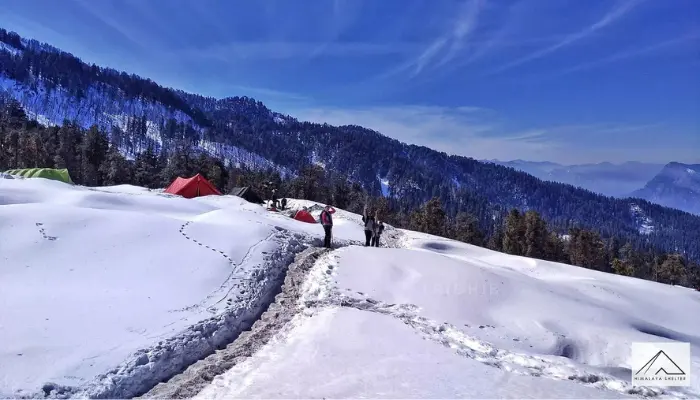
Kedarkantha trek in January is popular for one clear reason. It gives you proper snow without making things complicated. The trail stays easy to follow even when covered, which is why it remains a trusted snow trek Uttarakhand is known for. You walk through pine forests, open clearings, and large campsites that stay snow covered through most of January. From start to finish, it feels like a real winter trek.
Kedarkantha trek in January
Trek Difficulty, Altitude & Who It’s Best For
Kedarkantha is known as a beginner winter trek, but it still needs effort. The altitude sits close to 12,500 feet, which you feel while climbing, but it stays manageable with a steady pace. Daily walking hours are fair, and the summit push is short yet steep. This trek suits first time snow trekkers, fit beginners, and anyone who wants winter trekking without harsh exposure
Weather & Temperature in January
January temperatures stay well below zero during the day. Nights are much colder and often drop into negative temperatures. Snowfall is common and keeps the trail fully snow-covered. Mornings are usually clear with sharp mountain views. Evenings turn quiet and very cold. Proper winter clothing is necessary for this month.
What Makes Brahmatal One of the Best Winter Treks in India
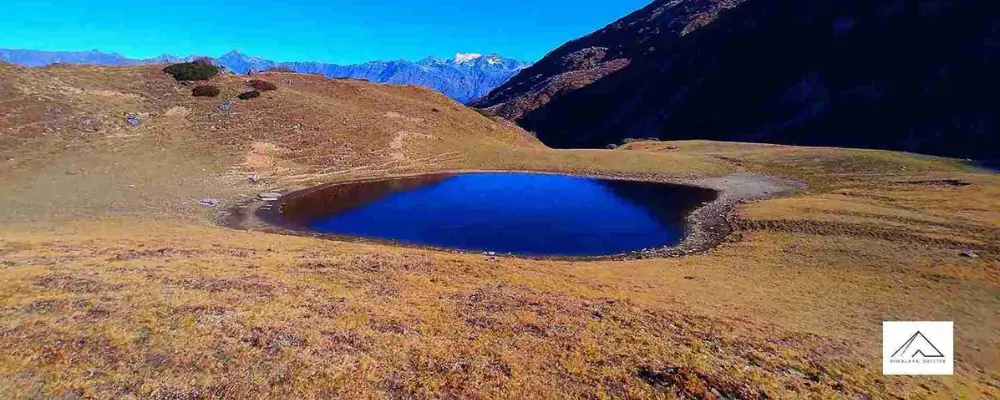
Brahmatal trek January works well because it gives a proper winter experience without pushing into risky terrain. The trail stays open through peak winter and remains snow covered from start to end. You pass through oak and rhododendron forests before reaching open stretches with clear mountain views. The frozen lake near the campsite is a key part of the route and gives this trek its identity as a true frozen lake trek. Among winter treks Uttarakhand is known for, Brahmatal feels steady and well-paced.
Brahmatal sits in the moderate range. The altitude reaches about 12,250 feet, which feels tough at times but stays manageable with a steady pace. Some trail sections stay snowy and need careful steps, especially near the top. This trek works for fit beginners who have completed at least one trek before, and for experienced trekkers who want a winter route with reliable snow conditions.
Best Photo Spots on Brahmatal Winter Trek
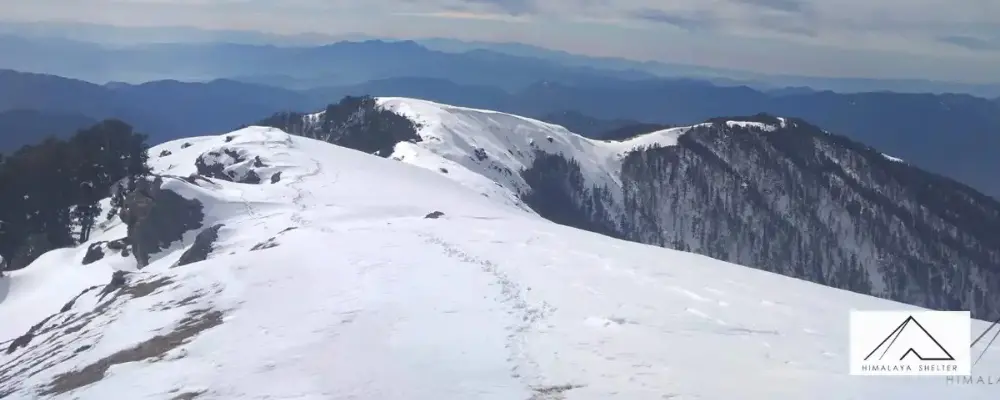
The frozen Brahmatal Lake is the most photographed spot on the trek. Ridge walks near the summit give clear views of Mt Trishul and Mt Nanda Ghunti. Snow-covered forests at the start of the trail feel quiet and subdued in photos. Campsites wrapped in snow work well for sunrise shots and night photography on clear winter days.
3. Aancha Top Trek – Walking on a Frozen River
Why Aancha Top Is Still an Underrated Snow Trek
Aancha Top trek does not show up all over Instagram. That is actually its biggest strength. The trail sits quietly in Uttarakhand and stays off most people’s radar. There is no hype around it and no heavy promotion pushing it forward. What you get instead is real winter terrain.
In January, the route changes completely. Parts of the river freeze hard, and you walk straight over it. The first time feels strange, even a little unreal. There are no loud groups or packed campsites. Just snow underfoot, silence around you, and a trail that still feels untouched.
Treks in January 2026
Snowy Meadows and Forest Trails in January
January changes Ancha Top into a quiet winter landscape. The forest sections are covered in snow, with oak and pine trees standing still and heavy. Every step makes a soft crunch under fresh snow. As you gain height, the trail opens into wide meadows fully covered in white, stretching out without breaks.
The cold stays sharp, especially in the early hours. But the scenery holds your attention. Clear skies. Thin icy air. Mountains standing firm in the distance. It’s the kind of place that slows you down without effort.
Ideal for Trekkers Looking Beyond Crowded Routes
If you’ve done popular winter treks or want to avoid crowded trails, Aancha Top trek is a good choice. It is for trekkers who want a quiet January snow trek without losing the experience. You get deep snow, some challenging sections, and real winter conditions without the crowd. This trek fits people who like solitude, steady walking, and taking in the mountains at their own pace. It is not about ticking a box. It is about being there.
4. Kuari Pass Trek in January: What to Expect
January brings a lot of snow on the Kuari Pass trek. The forests are quiet and covered in frost. As you climb higher, the views of Himalayan peaks like Nanda Devi and Dronagiri get clearer.
Best winter treks in India for beginners
Snowfall, Trail Conditions & Scenic Highlights
Snow can be heavy in early January, which makes some parts slippery. The forest trail is full of snow-covered pines. Open meadows turn completely white. The views are wide and clear when the sky is blue. You can see peaks from almost every stop on the trail.
Difficulty Level
The trek is moderate. It needs steady walking on snow and basic stamina. It works for beginners with some trekking experience. Experienced trekkers will enjoy the quiet and scenic landscapes without the crowd.
Kuari Pass Winter Trek vs Other Snow Treks
Kuari Pass is calmer than Kedarkantha or Brahmatal in January. Some sections have deeper snow, and the forest adds variety. It is not as high as Ancha Top, but the Himalayan views are just as impressive.
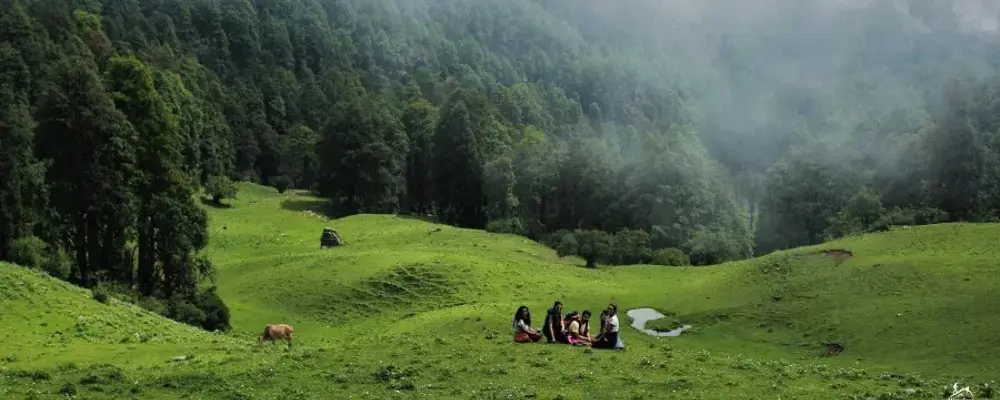
Dayara Bugyal Trek has wide snow-covered meadows in January. The trail passes through open plains and pine forests. The scenery is quiet and calm. Snow stretches as far as you can see. The trek feels peaceful compared to crowded winter routes.
Best places and treks to visit in january in india
The trek is easy to moderate. You need basic fitness and the ability to walk steadily on snow. It starts at around 3000 meters and goes up to about 4000 meters. The trek usually takes four to five days depending on the route and pace.
Things to Know Before Planning a January Snow Trek
Weather Challenges & Temperature Range
January is very cold. Temperatures can drop below zero at night. Snow can be heavy in higher sections. Some parts of the trail can be slippery.
Fitness & Acclimatization Tips for Winter Treks
You need basic fitness. Walk regularly before the trek. Take time to get used to higher altitudes to avoid altitude sickness.
Essential Gear for Snow Trekking in January
Wear layers of warm clothing. Use waterproof shoes and gaiters. Carry gloves, a wool cap, and trekking poles. Sunglasses help with snow glare.
Safety Tips for Himalayan Winter Treks
Check the weather before starting. Stay on marked trails. Travel in groups when possible. Avoid shortcuts on snow-covered sections.
FAQ
Which is the best trek to visit in January 2026 for snow?
Kedarkantha, Kuari Pass, Ancha Top, Dayara Bugyal, and Brahmatal are the top options for snow in January.
Are winter treks in January safe for beginners?
Yes, with proper preparation and guided support, many beginner-friendly treks are safe in January.
What is the temperature during snow treks in January?
Temperatures usually range from -5°C to 8°C. Nights are colder.
Do these treks guarantee snowfall in January?
Snowfall cannot be guaranteed, but most of these treks have deep snow in January.
How fit do you need to be for January snow treks?
Basic fitness is enough for beginner-friendly treks. You need stamina for steady walking on snow and some uphill sections.